
We can always get through the dark doldrums safely - today, tomorrow and the day after tomorrow.
📅 29 January 2026, 11:00 - 12:00 a.m.
🌐 Digital
How do we do that? With technologies that we already have today. We show how Storage, fuels, power plants and demand flexibility to compensate for low electricity generation from wind and sun: simple and clear. The bne communication "Safely through the dark doldrums" offers a Comprehensive range of information in the form of Website and Fact paper and our Kick-off webinarto which we cordially invite you.
On 29 January from 11:00 to 12:00 we introduce you to our systemic approach and present selected key technologies and their contribution to security of supply in exciting Specialist impulses.
Programme
- Greeting
Robert Busch (bne, Managing Director) - Presentation of the "Safely through the dark doldrums" concept, publication of website and fact sheet
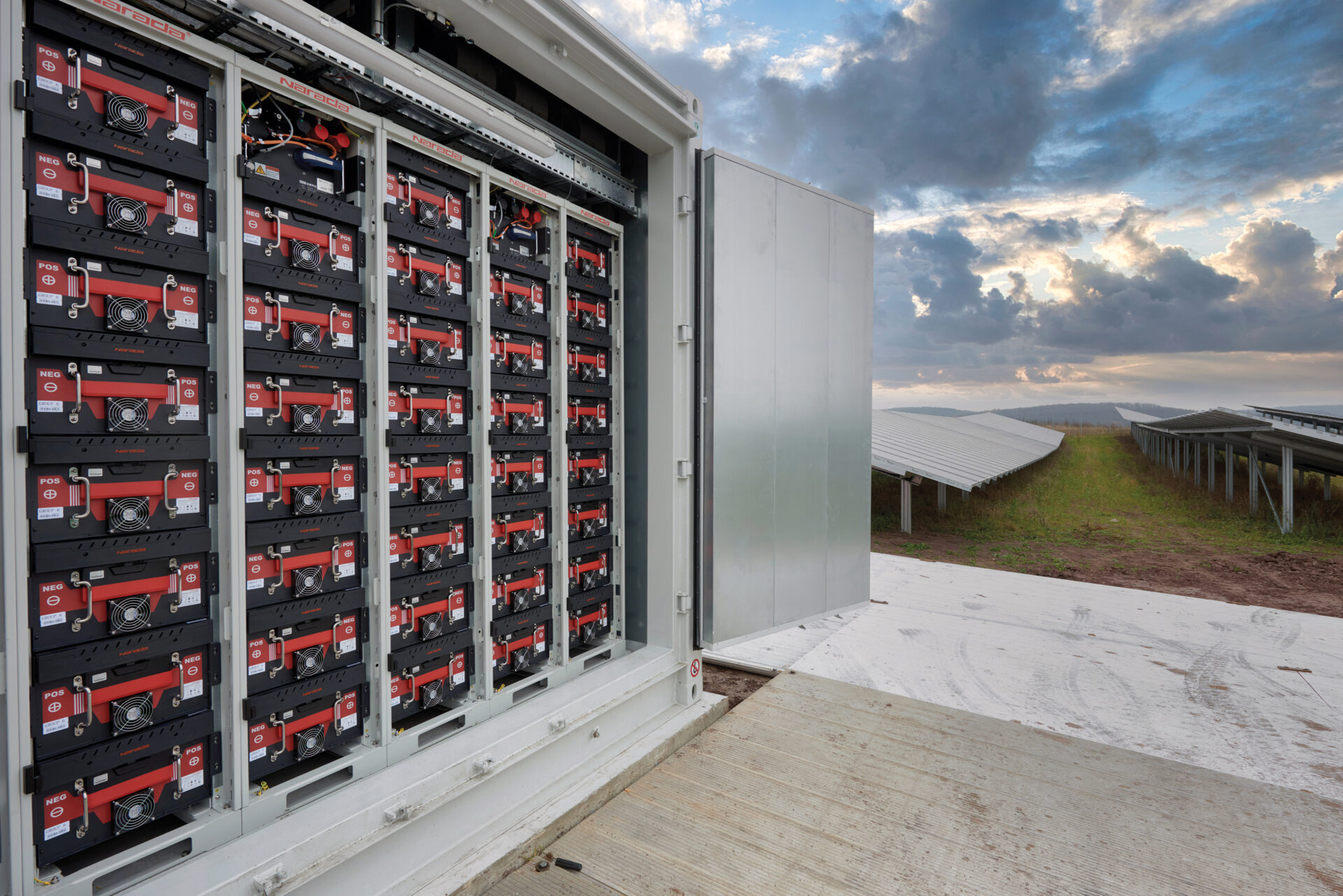
Carsten Pfeiffer, Jonas Uschner (bne) - The contribution of short-term storage systems to security of supply
Amadeus Teuffel (ECO STOR, Head of Datascience) - The contribution of motorised power plants to security of supply
Stefan Liesner (2G Energy AG, Head of Marketing and Public Affairs) - The contribution of flexibilised biogas power plants to security of supply
Sandra Rostek (Capital Office Bioenergy, Management) - The contribution of demand flexibility to security of supply
Sebastian Schaule (Octopus Energy, Head of Political & Public Affairs) - Question & discussion round
For the registration we ask for a registration until 27.01.2026 via the Form.
We look forward to your participation and the exchange in the webinar.
Background
A dark doldrums refers to a period of very low feed-in from renewable energies, particularly wind and solar energy. It occurs when there is little wind and low solar radiation at the same time, for example during long periods of high winter pressure. In such situations, electricity production from wind power and photovoltaic systems drops sharply.
Dark doldrums are a meteorological phenomenon. They are nothing special. They have always existed. The greater the role of wind and solar energy in electricity generation, the more the other system components have to adapt so that the demand for electricity can be met by the supply at all times. We have got through dark doldrums safely in the past, are doing so in the present and will continue to do so in the future. The necessary technologies and fuels are available both now and in the future. This means that the residual load can be easily covered. This applies both nationally and even more so in the European electricity market with cross-border electricity supplies.
With the "Safely through the dark doldrums" concept, the bne is creating a knowledge platform that provides fact-based and easy-to-understand information on all issues relating to controlling the dark doldrums.
 English (UK)
  Deutsch