

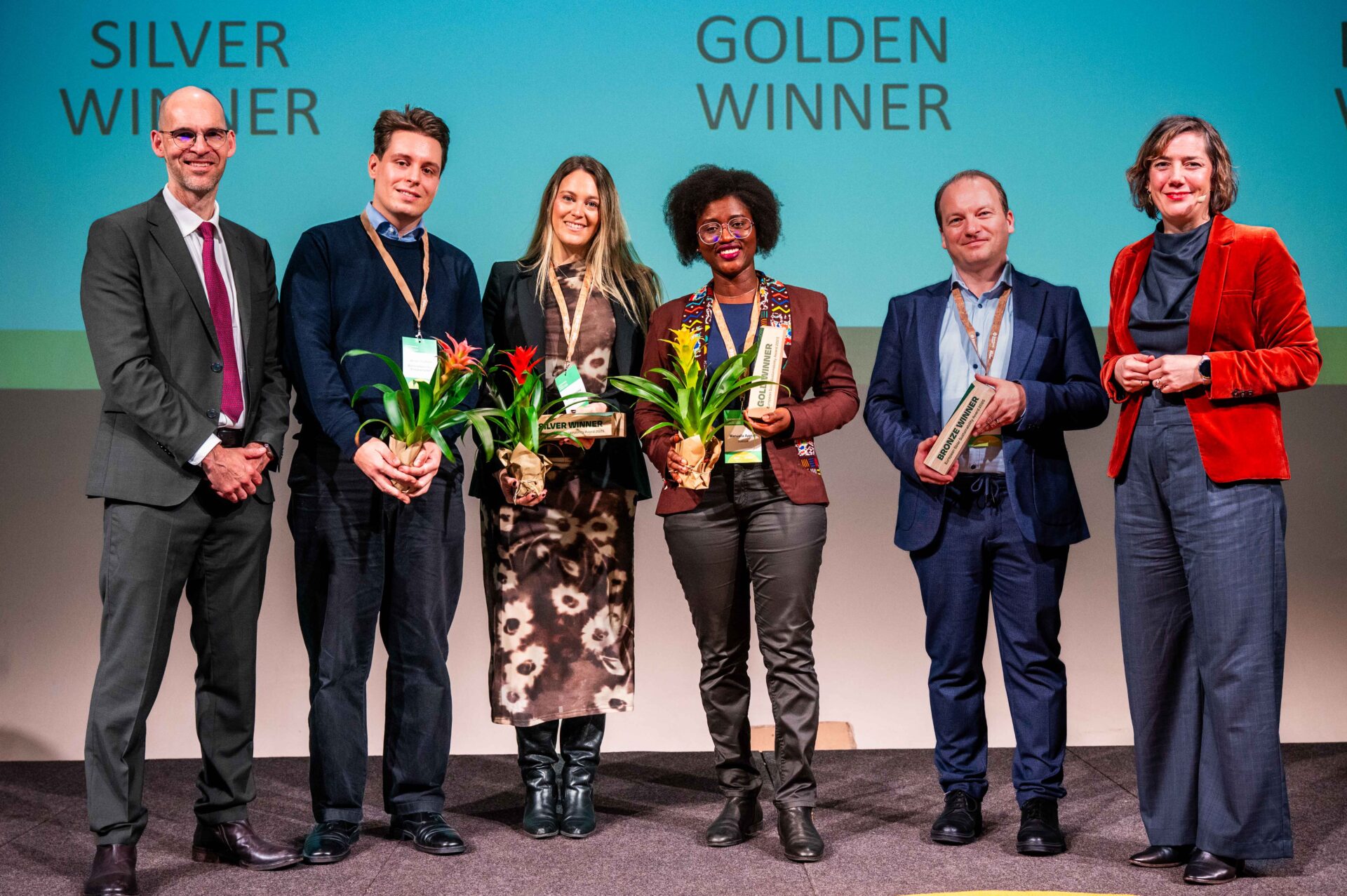
The German Association of the New Energy Economy (bne) Nationwide field study on biodiversity in solar parks the third place in the "European Solar Sustainability Award 2025" received. Every year, the European Solar Association SolarPower Europe projects that are particularly successful in reducing the environmental impact of solar power production. With our study, we have done just that: through the Improving the database and an insight into the current status of 29 solar parks throughout Germany and one plant in Denmark. Solar parks as a habitat and thus as an opportunity for biodiversity.
Off to Brussels
In 2025, there were around 50 companies and organisations that have applied for the award, only three were invited to the final in Brussels - including the bne.
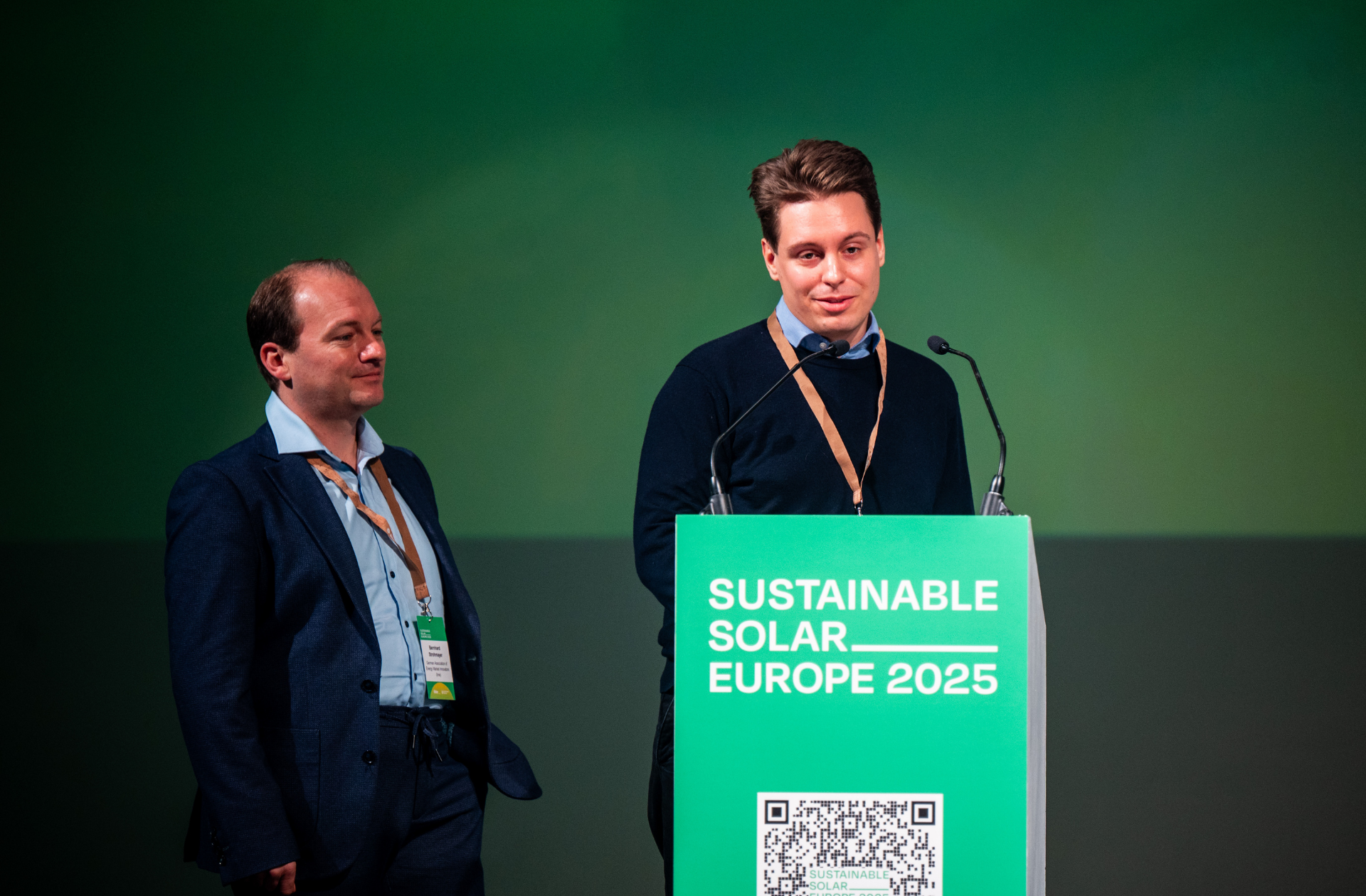
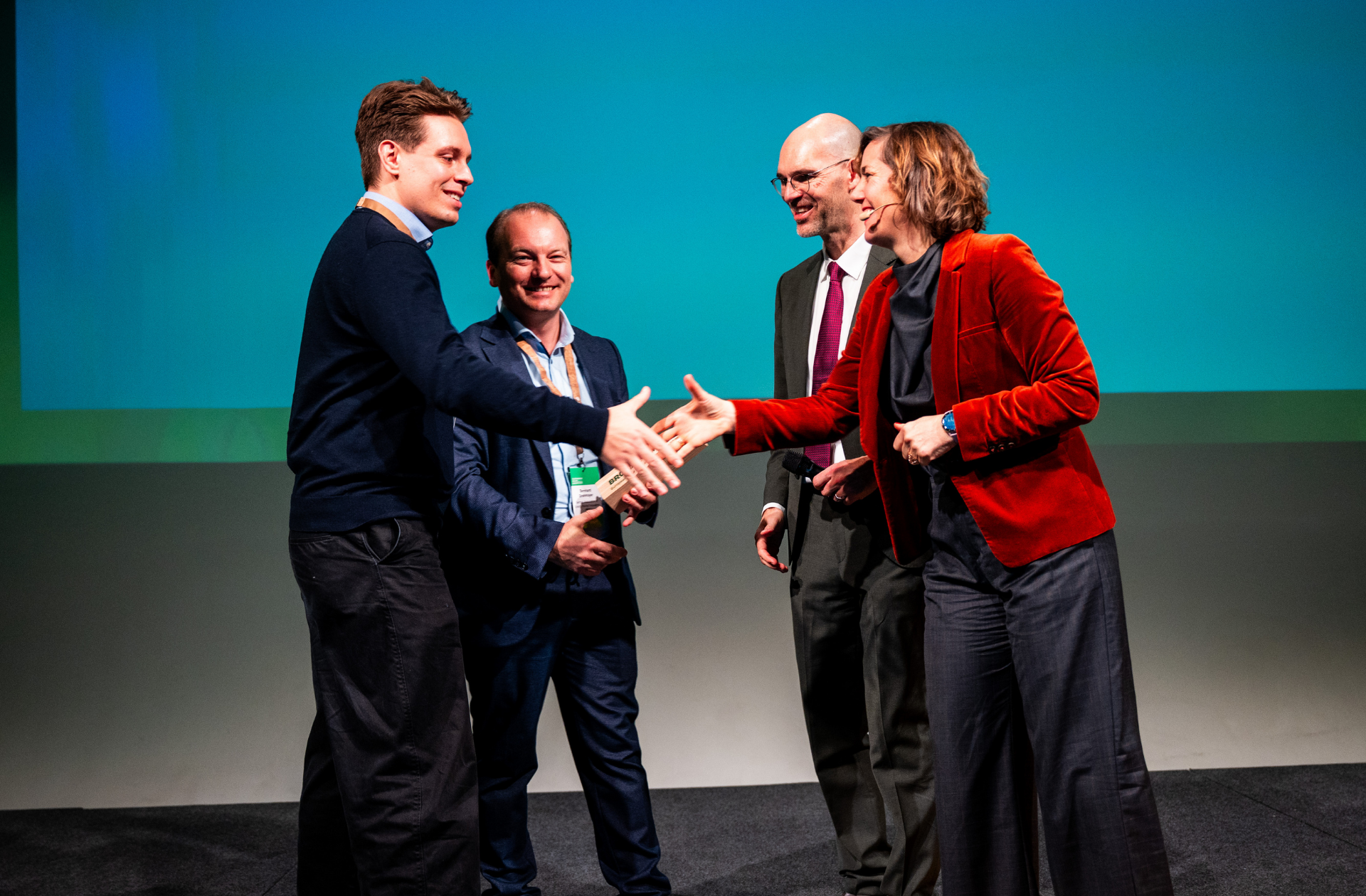
On 3 December 2025 Bernhard Strohmayer (Head of Renewable Energies) and Jonas Uschner (project staff) the Study presented to a European audience for the first time. At the same time, the English version of the study published. During the breaks, there was a lot of positive feedback and exchange with European nature conservation organisations and representatives of the solar industry.
In the end, we achieved a good third place and are delighted with this success!
Most comprehensive study on the solar park habitat
The study "Biodiversity in solar parks - a nationwide field study" is the Europe's most comprehensive study on biodiversity in solar parks.
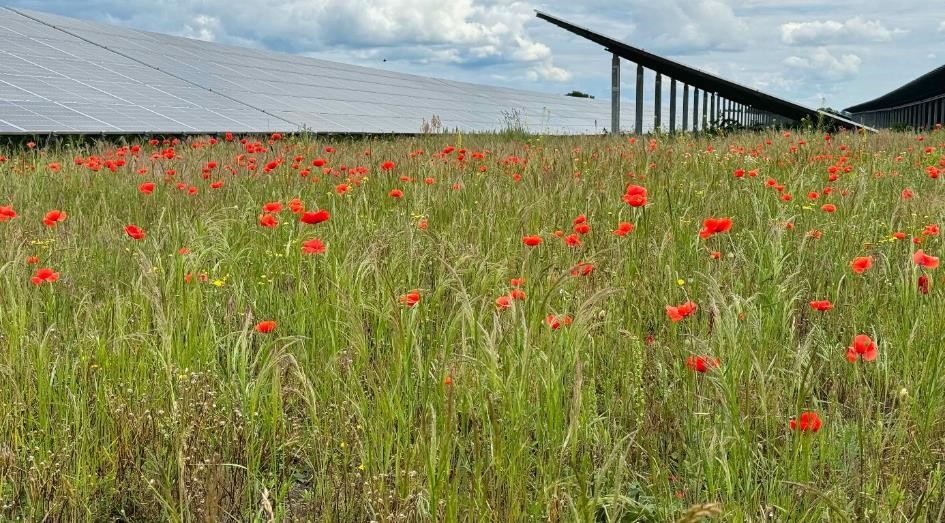
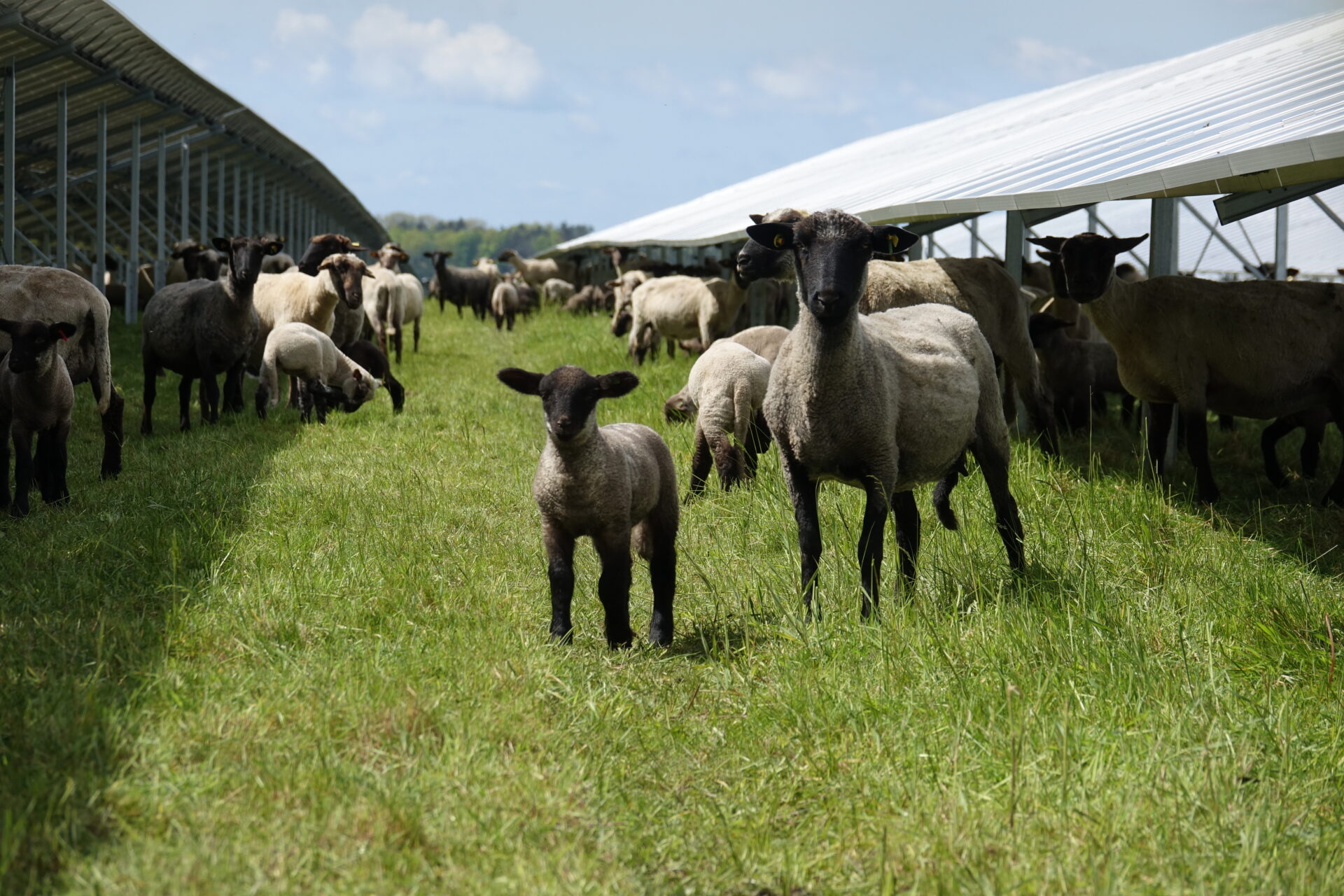
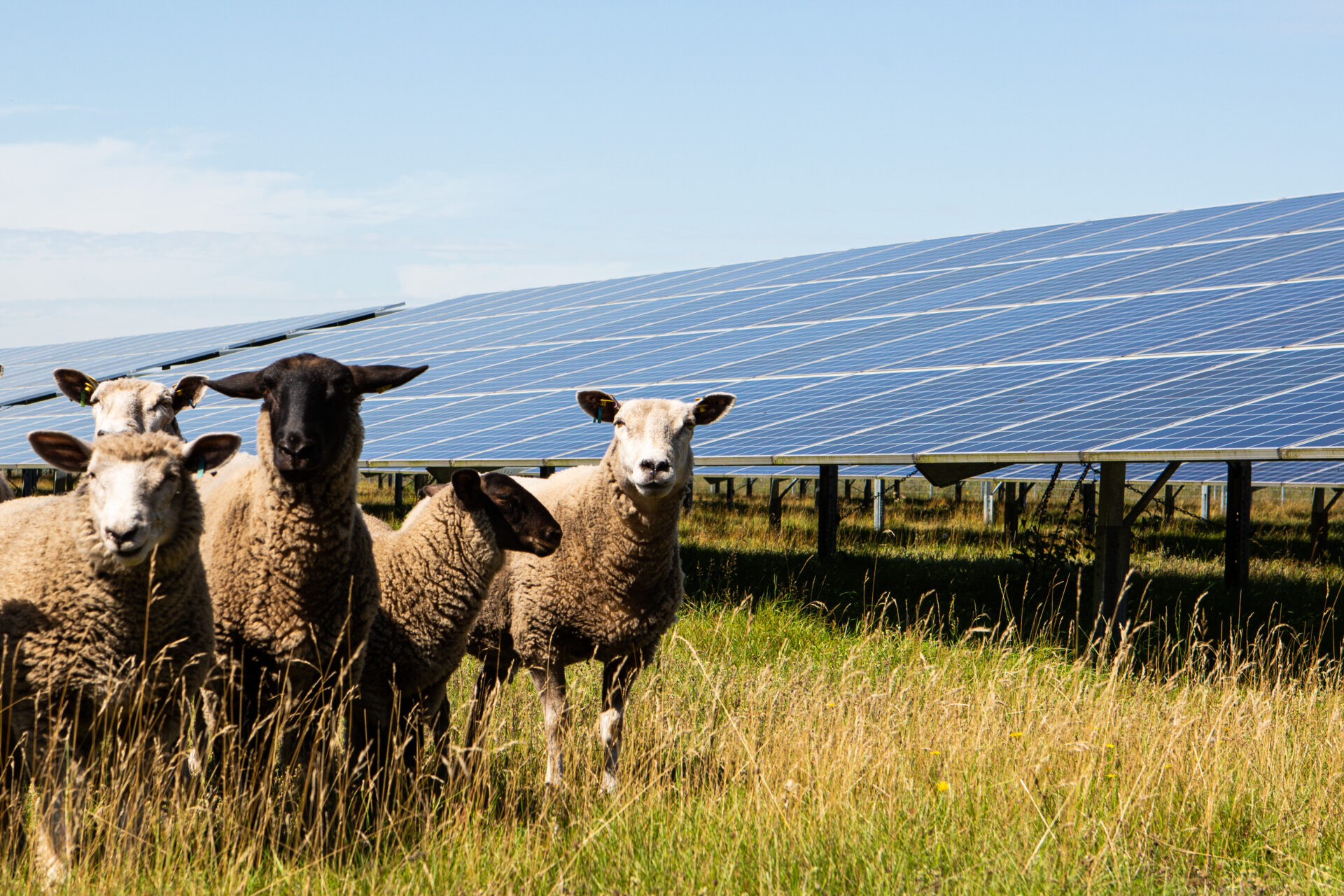
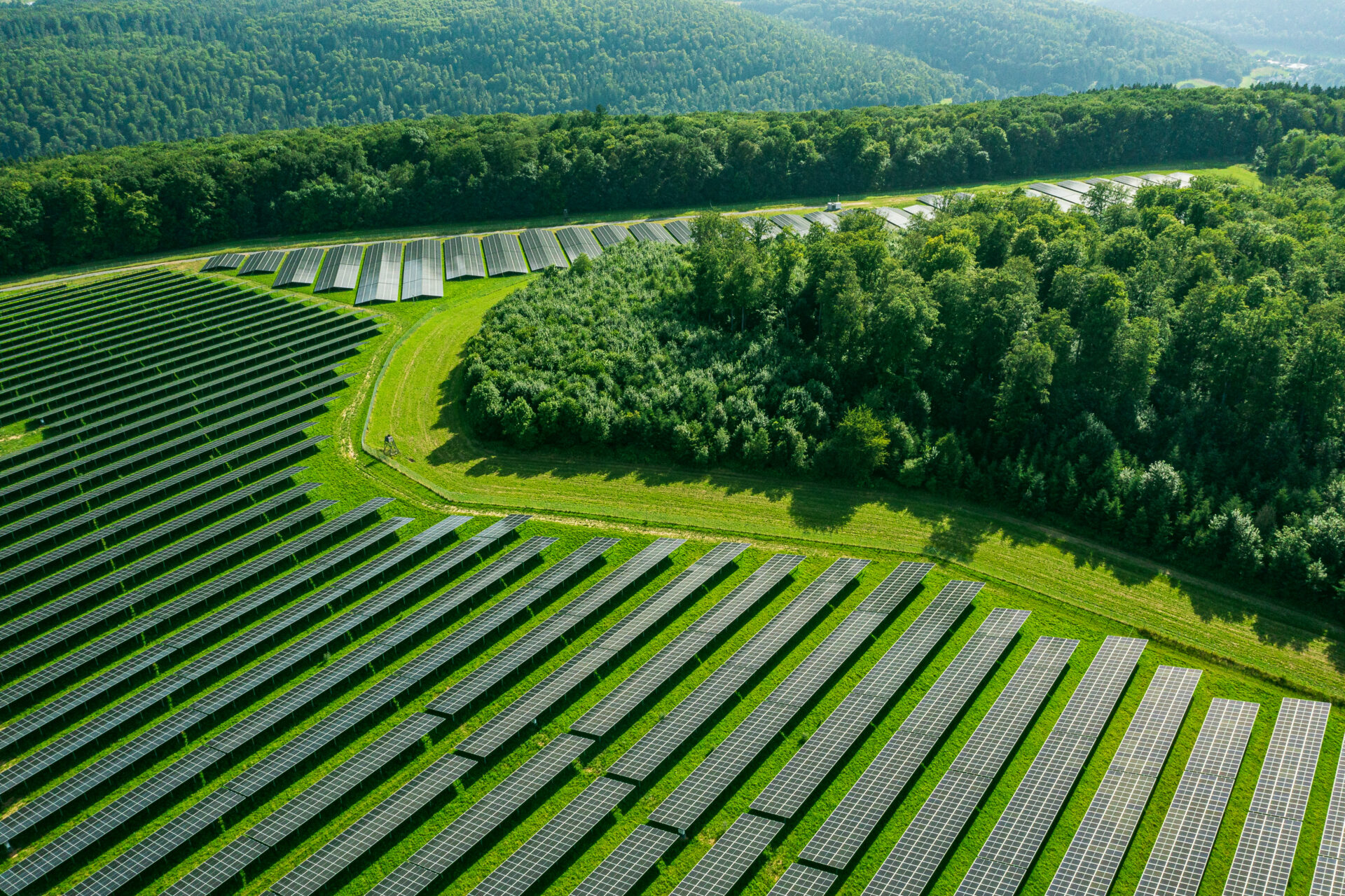
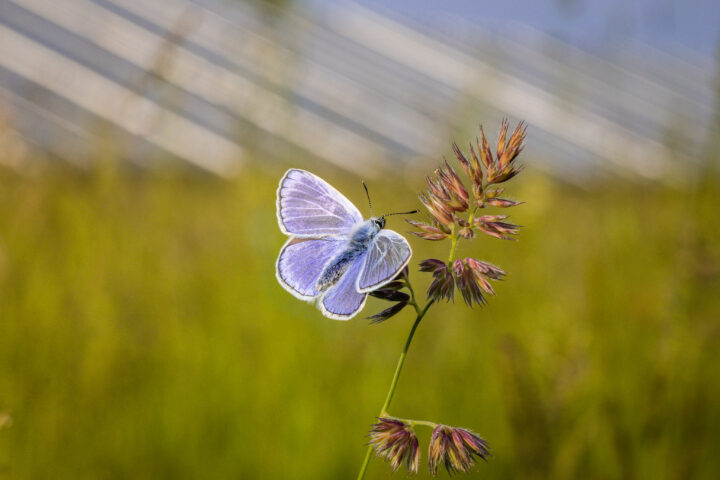
The investigations have shown that Well-planned and managed solar parks can develop a high level of biodiversity. On previously intensively used agricultural land, the renunciation of fertilisers and pesticides as well as adapted maintenance concepts result in Habitats for numerous insects, birds and bats and many other species groups. Solar parks thus become long-term safe havens in species-poor agricultural landscapes - a double benefit for climate protection and nature conservation.
The results of the study are already the subject of various follow-up analyses and evaluation processes for ground-mounted PV systems in Germany. With the English version now published, the study can also be used at European level in future. This will provide planning authorities, project developers, energy companies and nature conservation organisations across Europe with a sound data basis for systematically establishing biodiversity as a quality criterion for solar parks.
 English (UK)
  Deutsch