

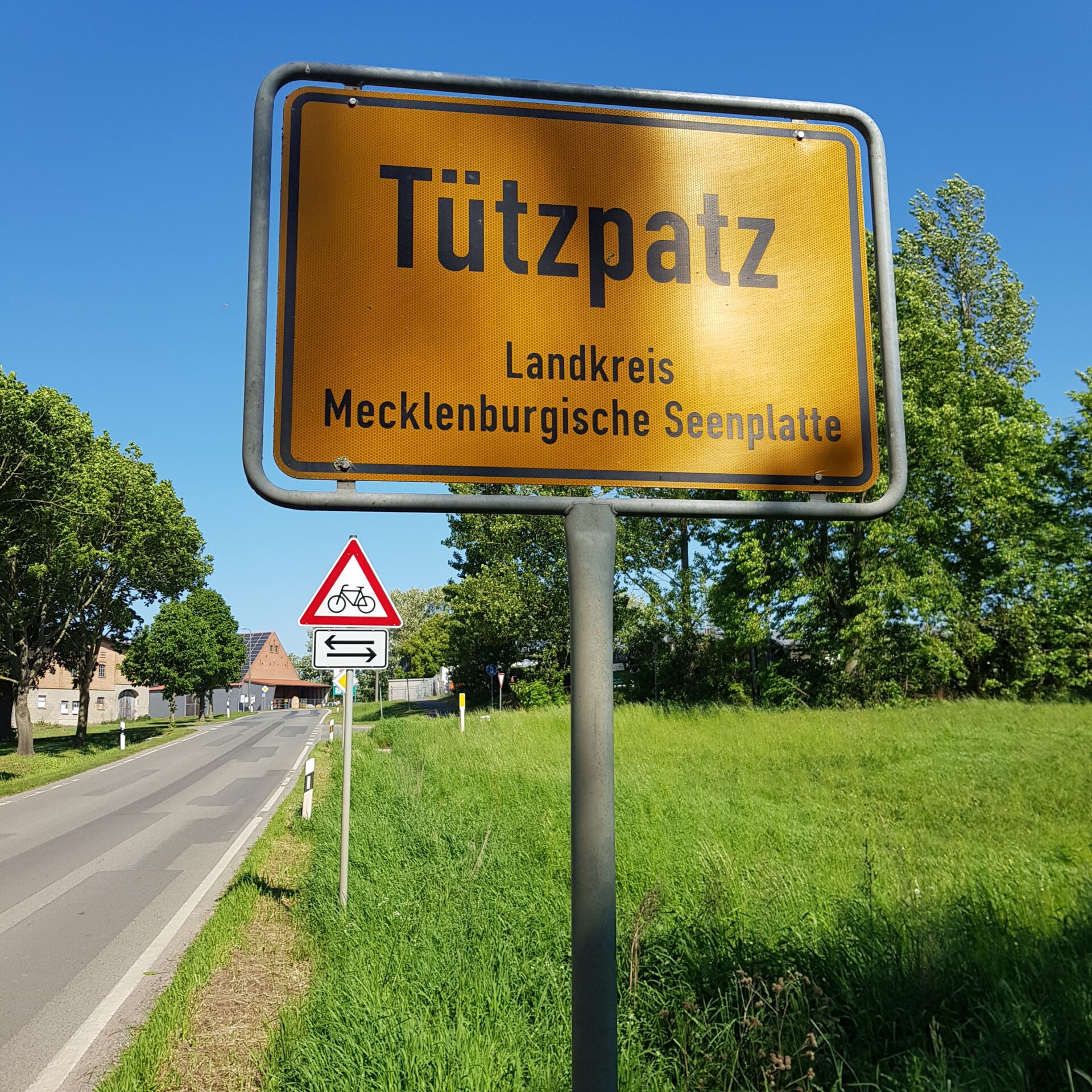
Germany largest Agri-PV plant with an area equivalent to 130 football pitches is currently being built in Tützpatz, Mecklenburg. We have in Interview with Vattenfallthe operator of the plant, learnt how the Solar energy, Agriculture and Biodiversity can be connected.
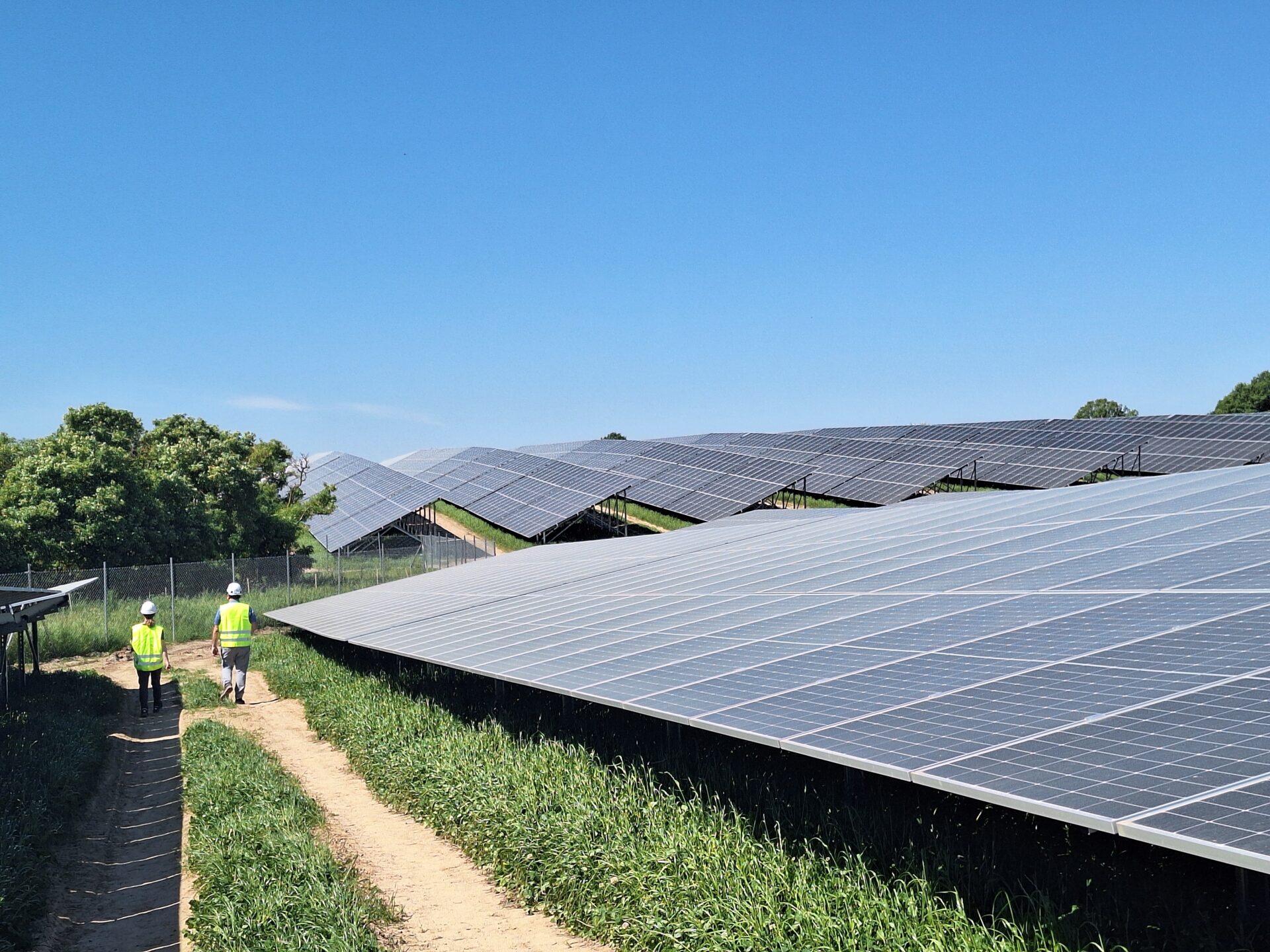
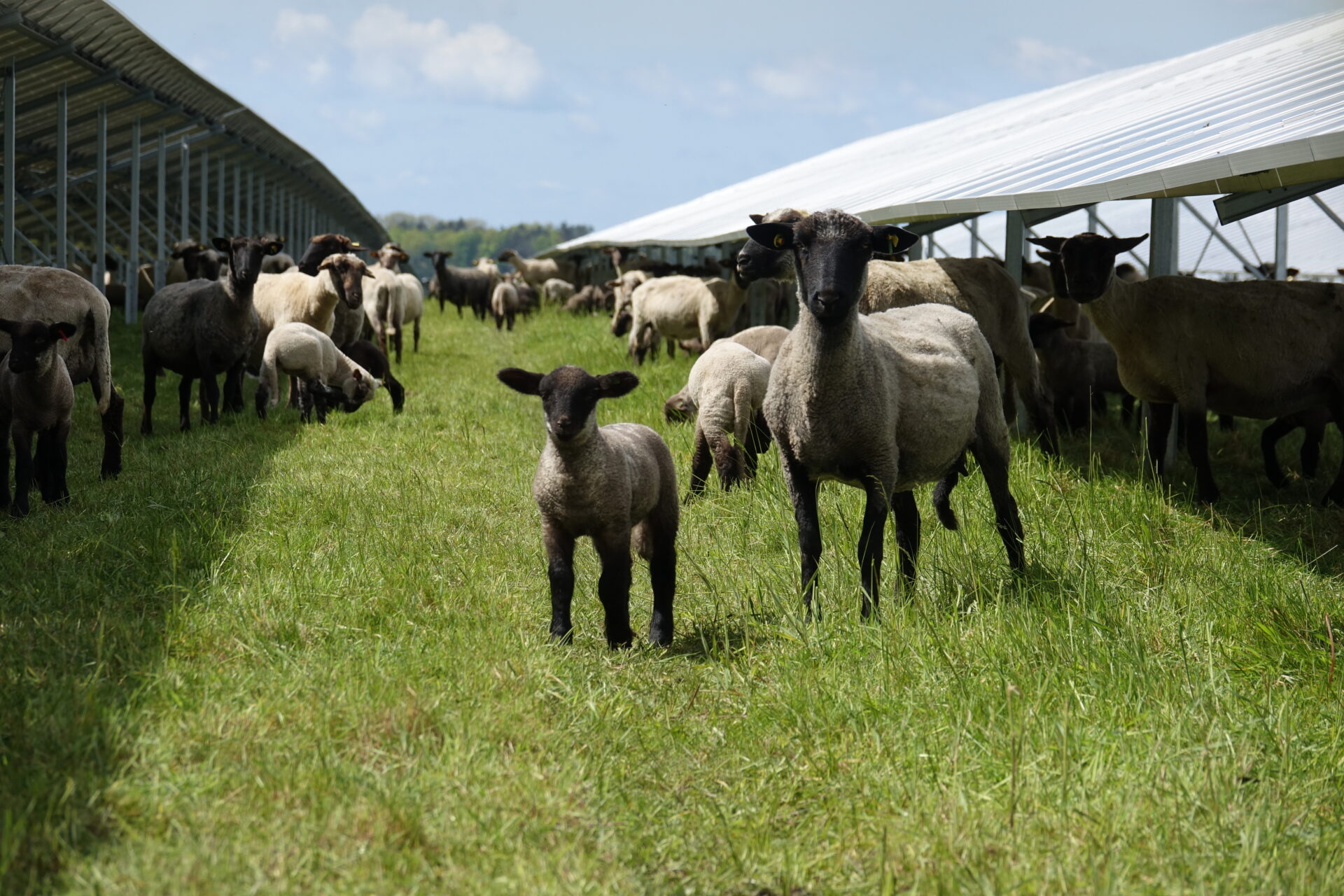
In the small community of Tützpatz, near the Mecklenburg Lake District, there is currently more than usual going on: on an area of 93 hectares one of the largest agri-PV plants in Europe is being built, with an output of around 80 megawatts will have. The project is in three sections subdivided: The "Tützpatz 1" section is used for Poultry farming Several thousand chickens are to be housed here in mobile chicken coops. On the Tützpatz 2 and Tützpatz 3 sections Crops cultivated, which is why the Modules on trackers are installed. During harvesting and cultivation, these can be converted into an almost Vertical position and thus Space for agricultural machinery make.
More flexibility with battery storage
Another special feature of the facility is that the neighbouring village of Breesen has its own 110 kV substation was built and a Battery storage is in the planning stage. The reason for this is that there was no corresponding grid connection point in the immediate vicinity of the plant and the high-voltage grid of the responsible distribution grid operator is largely utilised. Due to the grid-serving storage the solar power into the grid more flexibly and in line with demandso that the Solar power, for example, also at night can be used.
In dialogue with Kai Debus, Agri-PV expert from Vattenfallwe were able to find out more about this unique project.
SonneSammeln: The Agri-PV plant in Tützpatz is the largest of its kind in Germany. Were there smaller test projects beforehand to trial the technology and agricultural activities in the plants?
Kai Debus: Yes, we have already made our first investment decision for an Agri-PV system in the Netherlands in 2021. The Symbizon pilot project aims to explore how we can optimise plant growth between and below the rows of modules and generate green electricity at the same time.
SonneSammeln: Does the Tützpatz project receive funding from the EEG?
Kai Debus: No, no EEG or other subsidies were applied for for the project. For this project, we initially concluded a Power Purchase Agreement (PPA) with the Power and Air Condition Solution Management GmbH (PASM)a subsidiary of Deutsche Telekom AG, for a period of ten years. The facility in Tützpatz covers the calculated requirements of around 2,500 mobile phone masts.
SonneSammeln: The facility is unique in terms of scale and utilisation concept. As the first of its kind, it is certainly interesting for research, isn't it?
Kai Debus: There is an accompanying scientific study. In this study, the influence of the photovoltaic system and the rows of modules on the agricultural yield of the rapeseed crop rotations is being analysed on the areas of Tützpatz 2 and 3, and the effects of mobile chicken farming on the nitrate-nitrogen input into the soil and groundwater are being investigated on Tützpatz 1.
"The areas of Tützpatz 2 and 3 are built and managed strictly in accordance with the specifications of DIN SPEC 91434."
SonneSammeln: Is the Agri-PV system built and operated in accordance with DIN SPEC 91434 or 91492?
Kai Debus: Yes, we build and manage the areas strictly in accordance with the requirements of DIN SPEC 91434. Although the recently developed standards of DIN SPEC 91492 were not yet available during the planning phase and at the time of the decision to approve the facility, we also planned the area of Tützpatz 1, where the chickens are kept in mobile sheds, strictly in accordance with animal welfare aspects.
Sonne Sammeln: Did the landowner/farmer have any doubts about the success of the project?
Kai Debus: The landowner was very positive about the project as a whole and in particular about our innovative solutions for differentiated land management with chicken farming between fixed rows of modules and arable farming between bifacial tracker modules.
“The residents of the municipality of Tützpatz were very positive about the project right from the start."
SonneSammeln: How do the residents of the municipality of Tützpatz feel about the project?
Kai Debus: The residents of Tützpatz were very positive about the project right from the start. This is partly due to the fact that we respected the visual axes and the facility therefore integrates very well into the landscape. The facility cannot be seen from the village centre and its periphery.
SonneSammeln: How long did it take from the idea to the opening of the facility?
Kai Debus: Due to its size and complexity, the realisation of the system takes around three years from the initial idea to the complete grid connection.

“There will be biodiversity-promoting flower strips among the tracked bifacial tracker module rows.”
SonneSammeln: Are biodiversity-promoting measures also being implemented in the Tützpatz project?
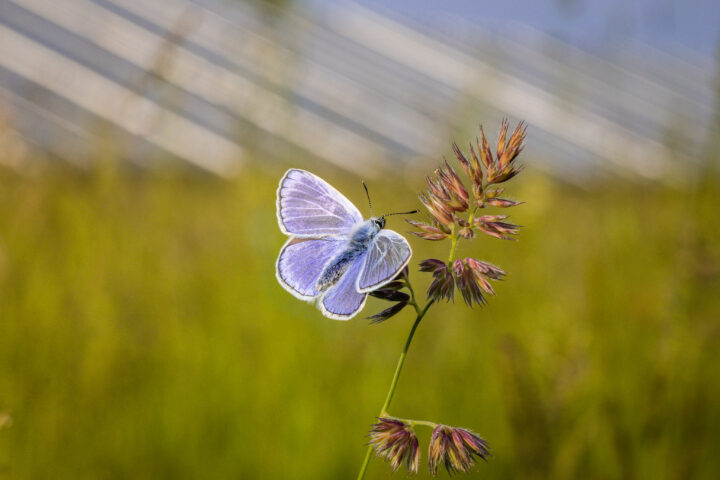
Kai Debus: Yes, there will be biodiversity-promoting flower strips under the tracked bifacial tracker module rows, and the entire area will be planted with native plants and hedges. A flowering meadow will also be created on an area of around 2.5 hectares near Tützpatz 1 as a habitat for native insects, birds and small mammals.
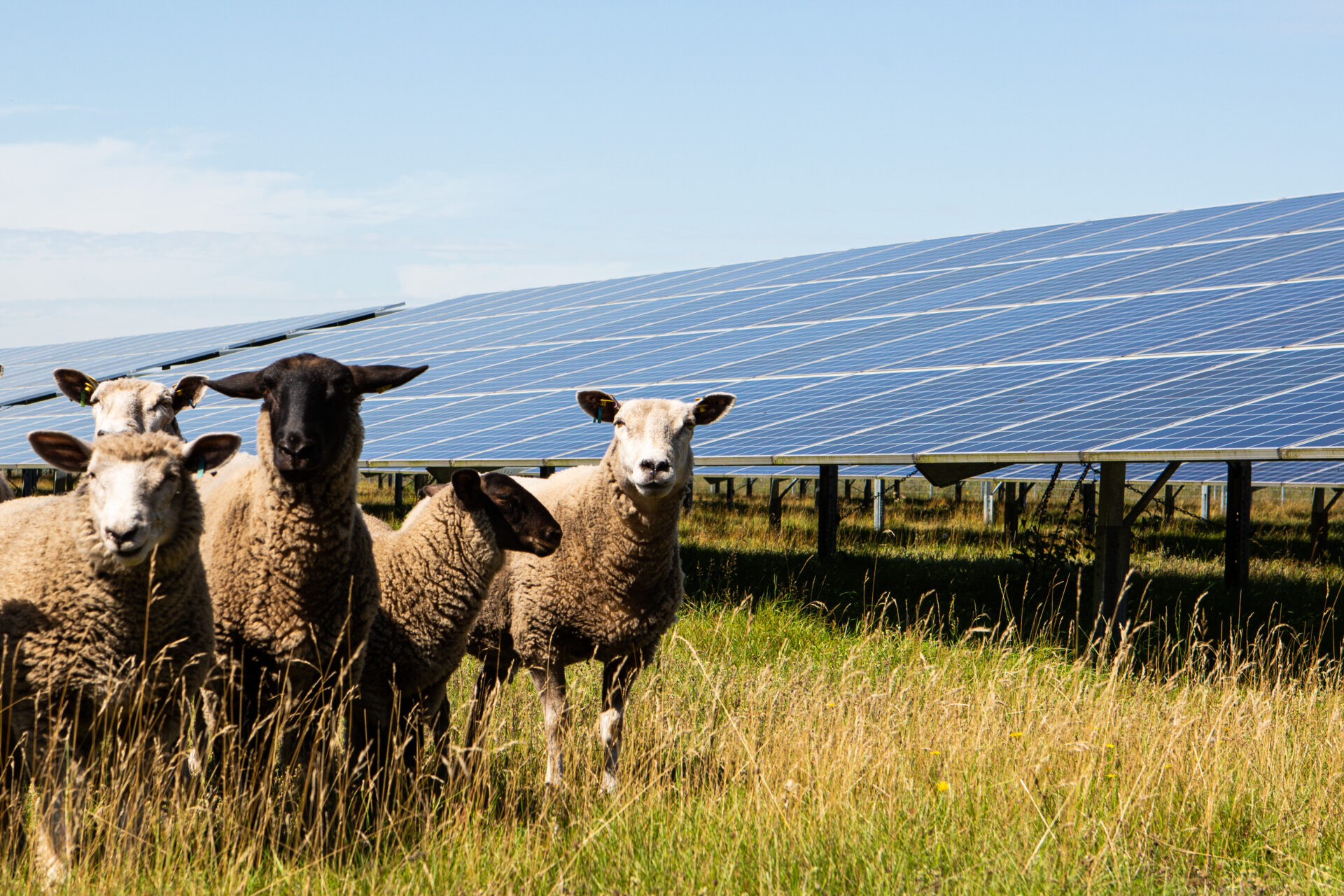
SonneSammeln: Why is it suitable to keep chickens in the Agri-PV system?
Kai Debus: The combination of open space and the covered area created by PV modules provides an almost ideal basis for free-range poultry farming. The chickens have plenty of room to roam, which they make use of, as they also enjoy protection from predators such as birds of prey from the air thanks to the low-set and inclined modules. The targeted use of mobile sheds can optimise the chickens' exercise management. Free-range chickens tend to use and graze the areas close to the barn very intensively. This inevitably has an impact on the vegetation, the soil and the groundwater. Such negative side effects can be significantly reduced by regularly moving the stables and outdoor areas.
SonneSammeln: Are further agri-PV systems with a combination of animal husbandry and field farming planned?
Kai Debus: Yes, we currently have several agri-PV systems in planning. And enquiries for agri-PV systems, especially the combination of animal husbandry and efficient green electricity generation, have continued to increase significantly in recent months.
SonneSammeln: Will Agri-PV become so commercially attractive in the future that the technology will be progressively expanded?
Kai Debus: Yes, under certain conditions, agrivoltaics are already an attractive alternative to traditional ground-mounted PV systems from an economic perspective. With increasing module efficiency, the energy yield of agrivoltaic systems has recently risen continuously. In addition, agrivoltaic systems and other special solar systems are remunerated in accordance with the Renewable Energy Sources Act (EEG), receive preferential subsidies compared to conventional ground-mounted systems in tenders and are given a higher maximum bid value.
You can find out more about the Agri-PV project in Tützpatz on the Vattenfall project page and in this Video .
–
The interview was conducted by Alice Brüssel-Kurbanov with Kai Debus on 25 October 2024
Kai Debus is Senior Stakeholder Manager Germany at Vattenfall and in this position is responsible for national political relations, among other things. As an Agri-PV expert and consortium member, he has contributed to DIN SPEC 91492.
 English (UK)
  Deutsch