

Bad Liebenwerda solar park
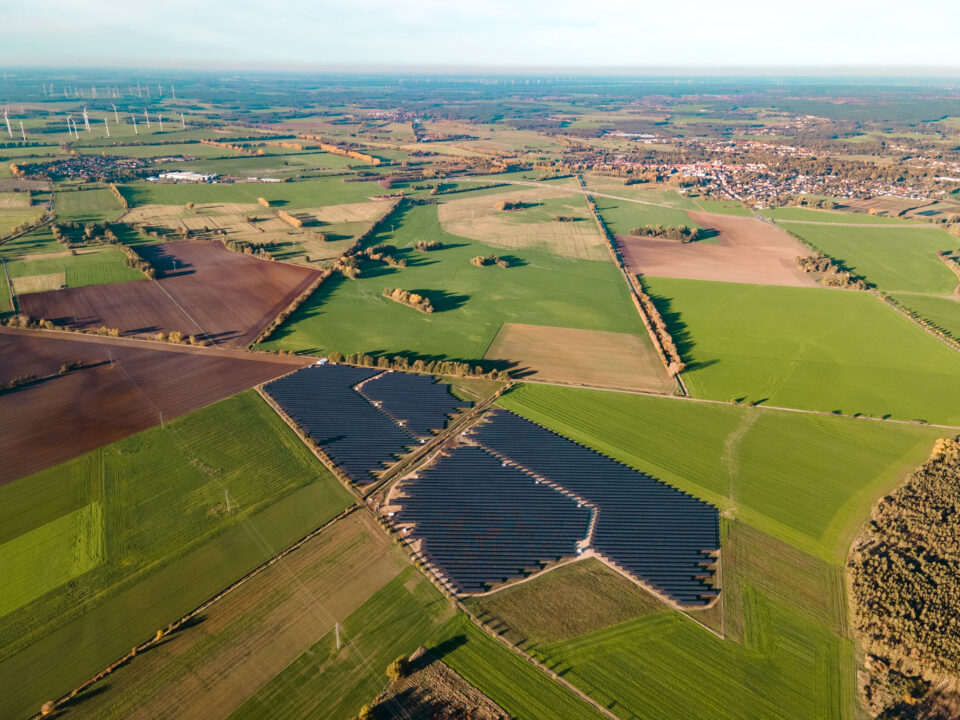
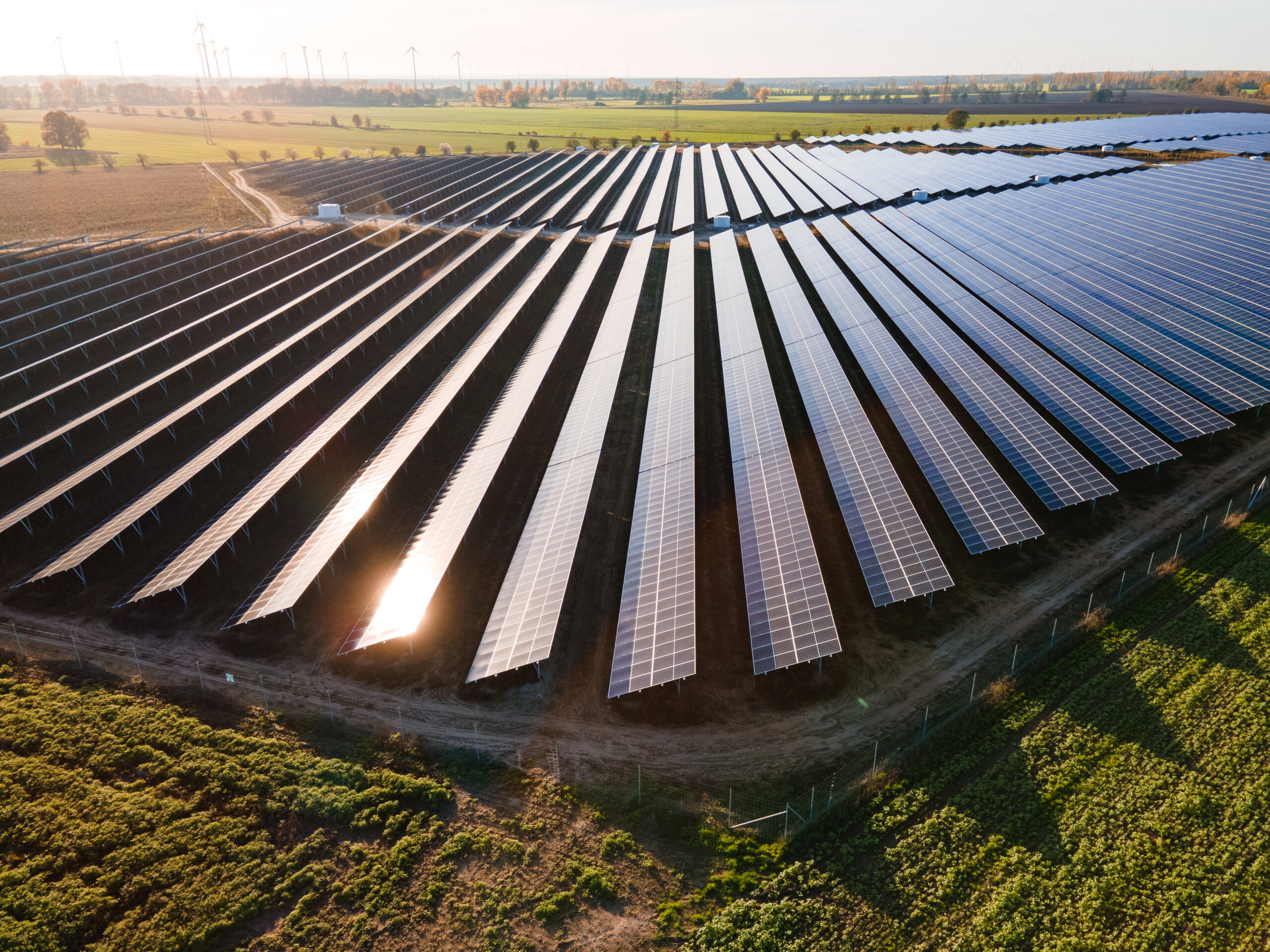
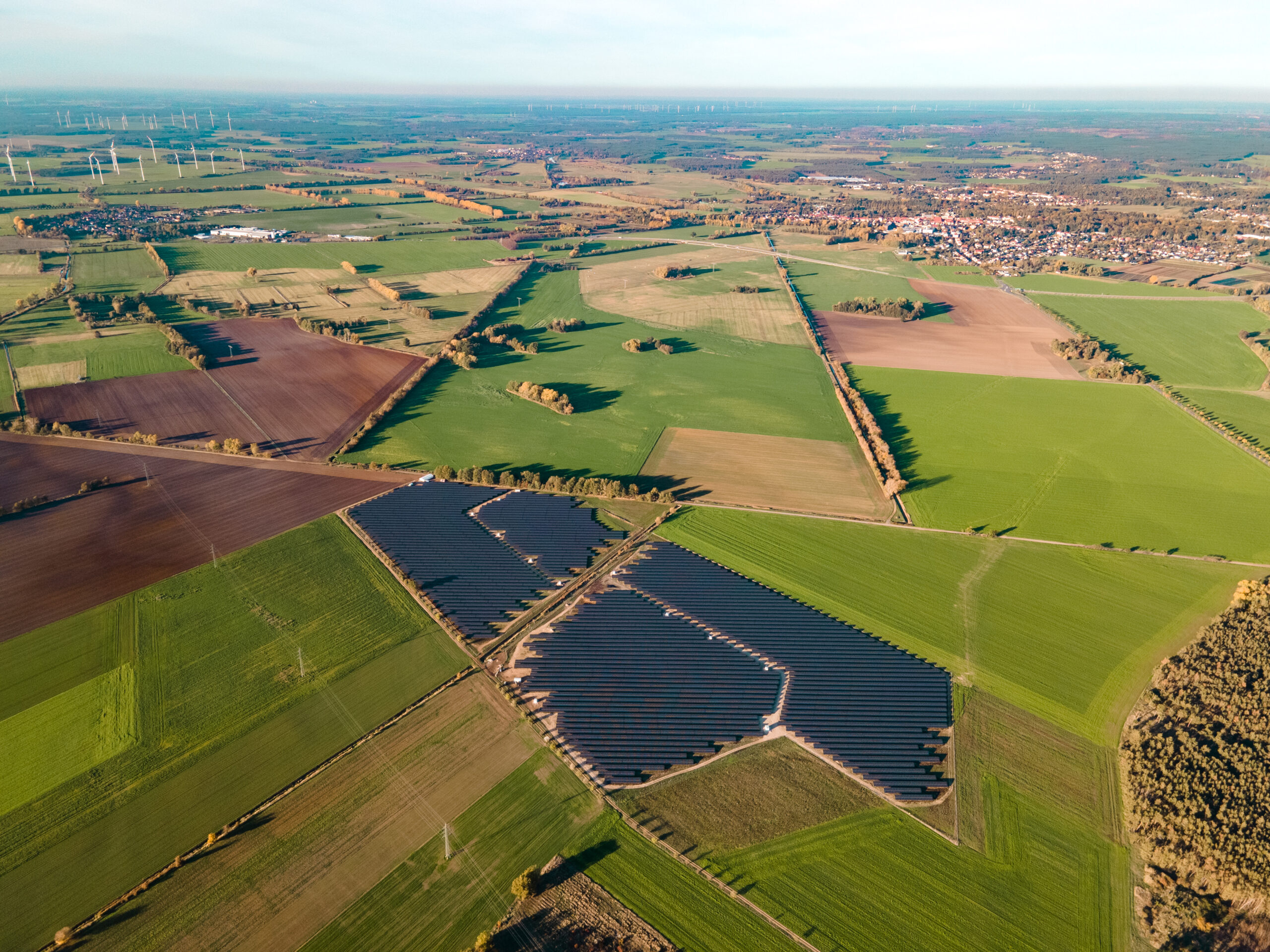
The Bad Liebenwerda solar park operated by BayWa r.e. Solar Projects GmbH is around three years old and is located three kilometres south of Bad Liebenwerda. The park covers an area of around 21 hectares and consists of two sub-areas separated by a ditch.
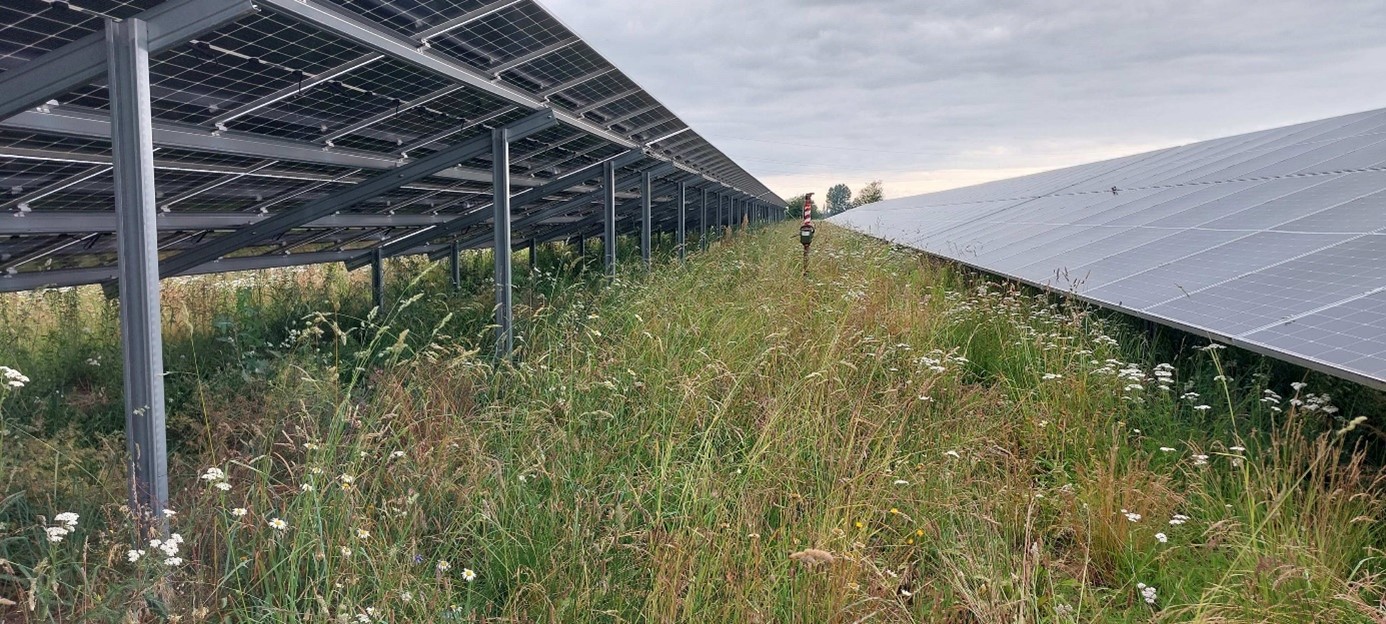
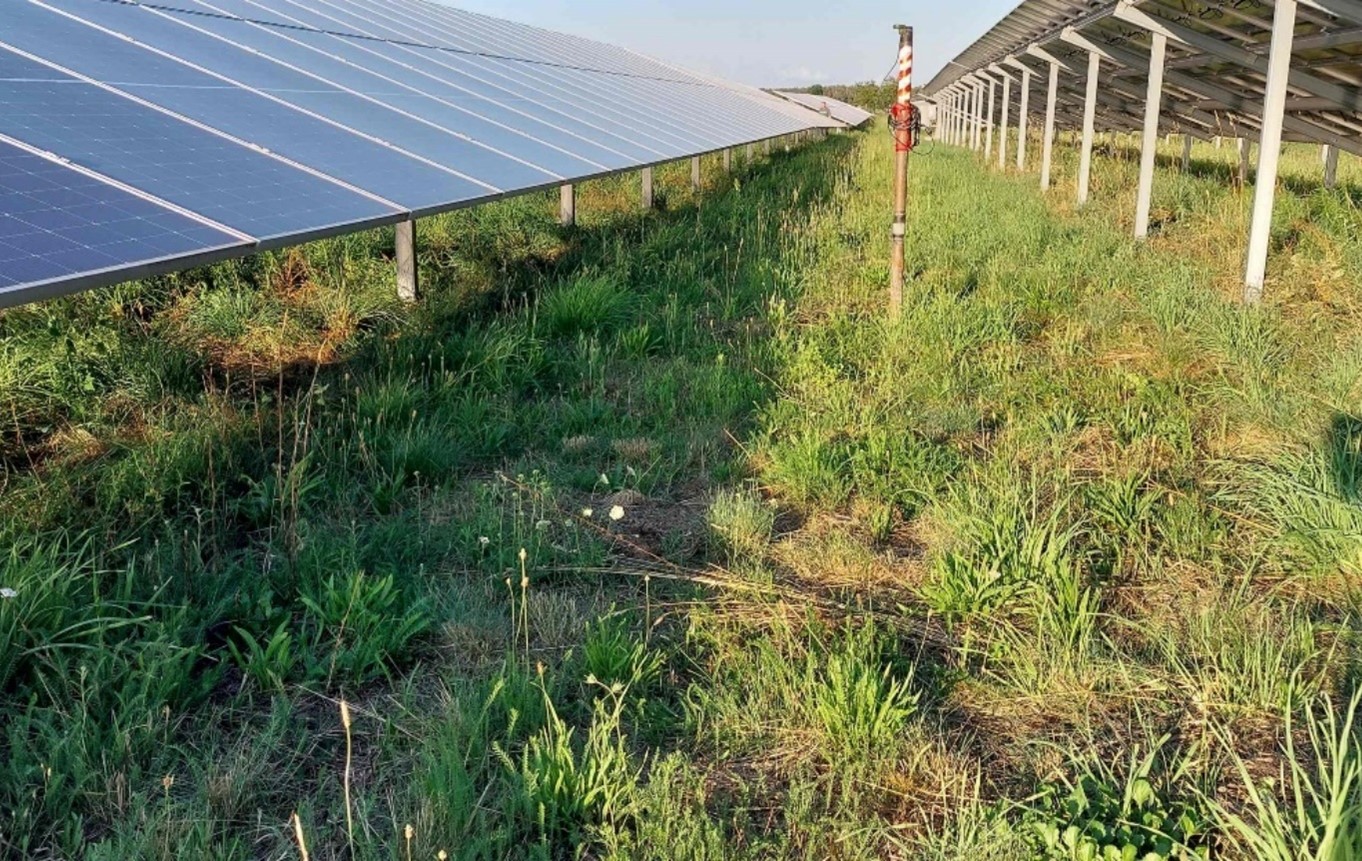
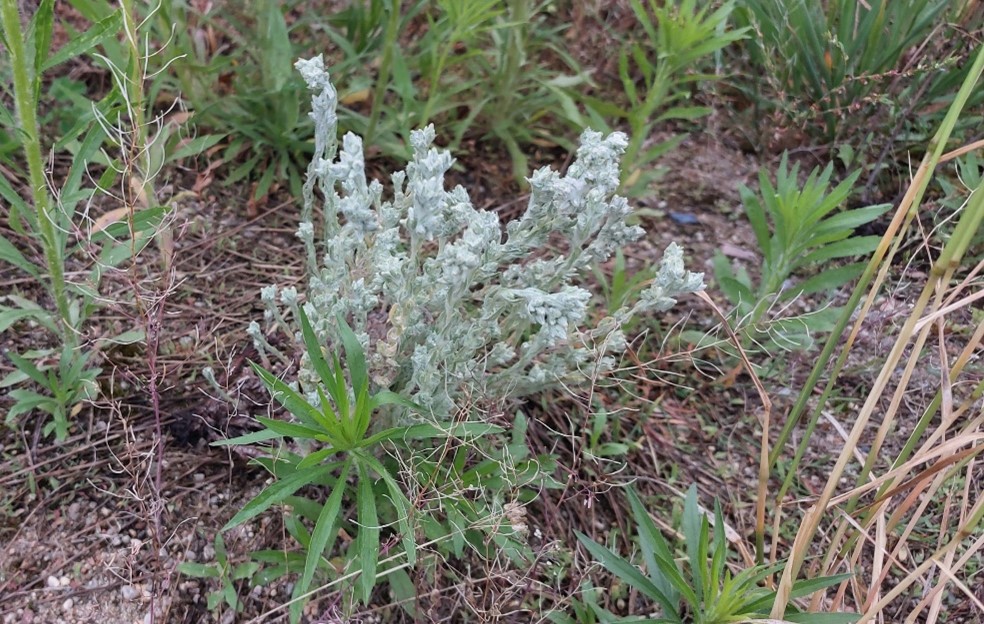
A wide, sandy and gravelly path runs from north-west to south-east in the centre. During the investigations, the biologists were able to determine that the site, which consists of a western and eastern part, gives the impression of a colourful, species-rich fallow field or ruderal meadow over a large area, even in the spaces between the modules. A melioration ditch runs north-south between the two sub-areas outside the two fenced-in sub-areas.
BayWa r.e. Solar Projects GmbH
21.1 MW
21.6 ha
2022
Brandenburg
51.4890196163 - 13.3730072444
Arable land
Table of contents
| Species groups | Investigated |
|---|---|
| Plants | ✔ |
| Locusts | ✔ |
| Butterfly | ✔ |
| Dragonflies | |
| Reptiles | |
| Amphibians | |
| Birds | ✔ |
| Bats | ✔ |
| Miscellaneous |
✔ = Investigation carried out on behalf of the operators
Natural environment and special features
Elbe basin lowlands
To the north of the solar park is an older avenue of deciduous trees, mainly oaks. The solar park is surrounded by intensively used arable land. A little further to the east is a small pine grove. About one kilometre to the east flows the Kleine Röder, which is part of the FFH area of the same name "Kleine Röder, DE 4546-301".
The site is about 90 metres above sea level with no significant relief.
Not mapped or arable land, objective in the environmental report: development of a fresh meadow, alternatively fresh pasture (biotope code 05111)
Floor
Fens in the north, gley of the sandy glacial valleys and lowlands in the south
Clay sands
Construction method
0.34
3m
1.9m
20°
2 pieces
20mm
The frames are each anchored to the ground by two ramming posts. The higher ramming post is additionally cross-braced.
The modules are critical and bifacial, have a fixed inclination and are south-facing. The output per module is 535 to 540 Wp.
Approx. 500 m² of gravel path was created for the fire brigade access road to the extinguishing water well. The remaining paths in the facility are unpaved grass paths between the rows of modules.
A strip of five metres was left free between the outer edge of the module and the fence. The total sealed area is only 719.07 m² (transformer, containers for spare parts, gravel path, ram foundations, fence posts). There are also two construction sections that are separated from each other by a crossing in the form of a ditch with undeveloped areas at the edges (five metres).
Management
The Bad Liebenwerda/Zobersdorf solar park is mowed twice a year in sections using a bar mower. The mowing is staggered depending on the vegetation. In future, the area will be grazed and maintenance mowing will take place.
Further care measures/requirements:
- Green maintenance: Green maintenance covers the entire fenced area of the solar park. In addition, fences must be trimmed from the inside and outside, as well as the inverter and transformer stations located in the respective solar park. The maintenance concept P1 of the solar park, which is included in the environmental report, must be applied. Green maintenance must prevent the modules from being shaded and the inverter stations and fencing from becoming overgrown.
- No tillage may take place.
- The solar park does not use any fertilisers or pesticides.
- A minimum distance of 10 cm between the ground and the mower must be maintained with every mowing.
Equalisation measures
The following compensatory measures were taken:
- M1: max. 3% of the total construction area may be sealed, remaining area to be developed as permanent grassland (for the protection, maintenance and development of soil, nature and landscape, creation of high-quality biotope structures as habitat, especially for avifauna, preservation as habitat for existing ground nesting birds, avoidance / reduction of impairment of the breeding sites of skylark and yellow wagtail); implementation date: partly before start of construction 2021, remaining area autumn 2022
- M2: Planting and maintenance of a ditch edge fringe, planting of shrubs and trees along the ditch (expansion of the existing linear landscape structures, development and expansion of a habitat area and increase in migration opportunities for local fauna, increase in cover for wildlife when crossing the migration corridor along the ditch, upgrading as bat feeding habitat); implementation period: spring 2022, maintenance until October 2024
- M3: Fencing/ fencing system with continuous free-standing strips of at least 10 -15 cm above the top edge of the terrain (crossing and immigration opportunities for small animals, protection of small animals from predators (larger predators), possible migration corridor for potentially occurring beavers and otters); implementation period: with start of construction in February 2022
- CEF1 (K1): Extensification of arable land (compensation for potentially impaired breeding bird habitats); implementation period: 2018
- A1: Creation of skylark windows (enhancement of breeding habitats for skylarks and yellow wagtails on neighbouring agricultural land); implementation period: from March 2024
- V1: Restriction of the construction period (avoid killing amphibians during the migration period, avoid impact on bird breeding), implementation period: 2021
In addition to the measures specified in the development plan, the following measures were implemented voluntarily:
- Bring forward CEF1 measure
- An actual sealing of 0.003%
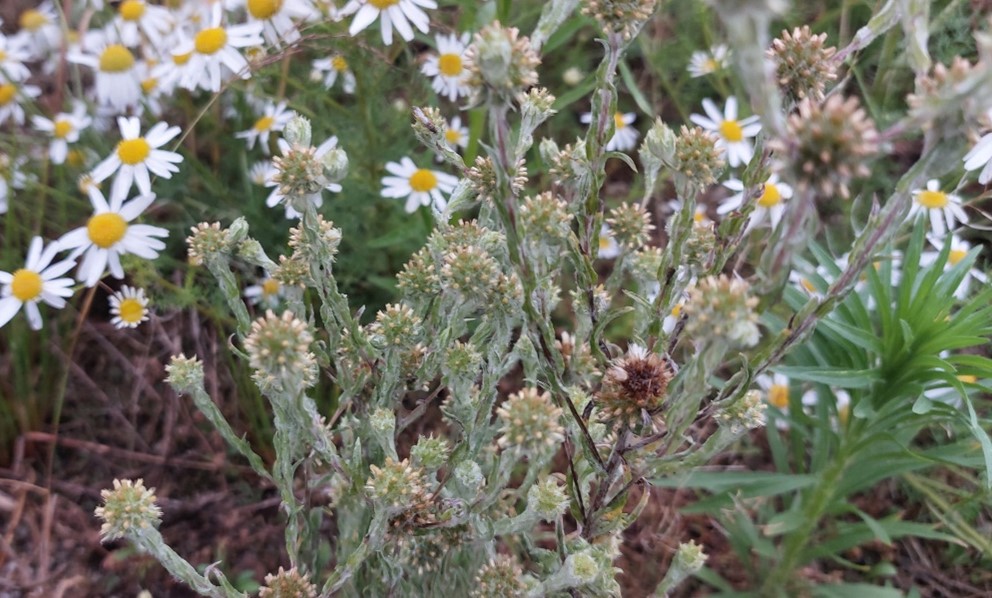
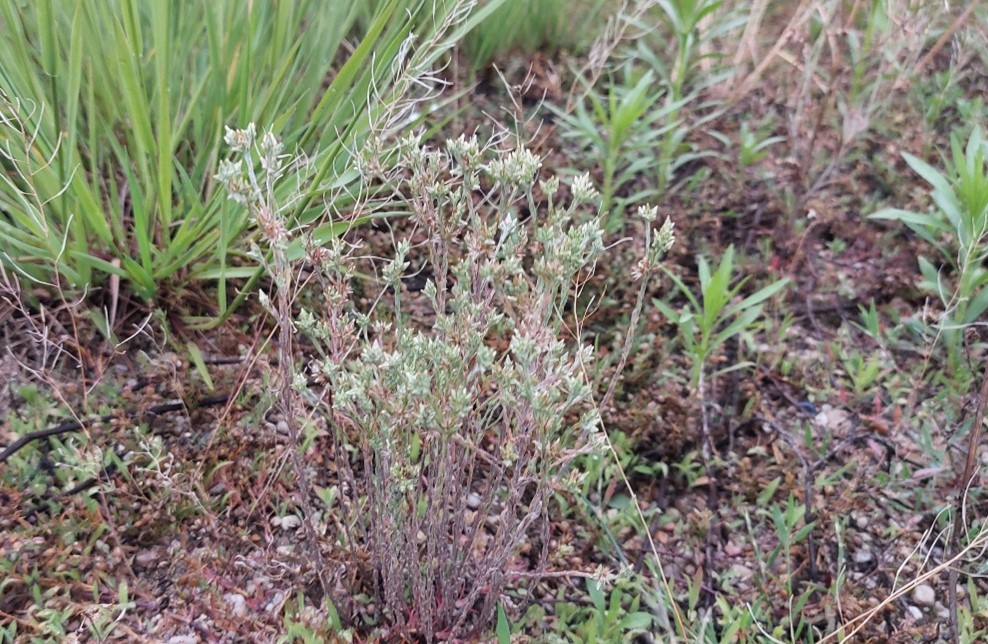
Test results
Further documents
Development plan sketch plan
Development plan Sketch plan solar park Bad LiebenwerdaDevelopment plan
Development plan for Bad Liebenwerda solar parkPresentation breeding bird monitoring 2023
Presentation breeding bird monitoring solar park Bad Liebenwerda 2023Report on breeding bird monitoring 2023
Report on breeding bird monitoring at the Bad Liebenwerda solar park 2023
 English (UK)
  Deutsch