
Clean energy for Strong municipalities
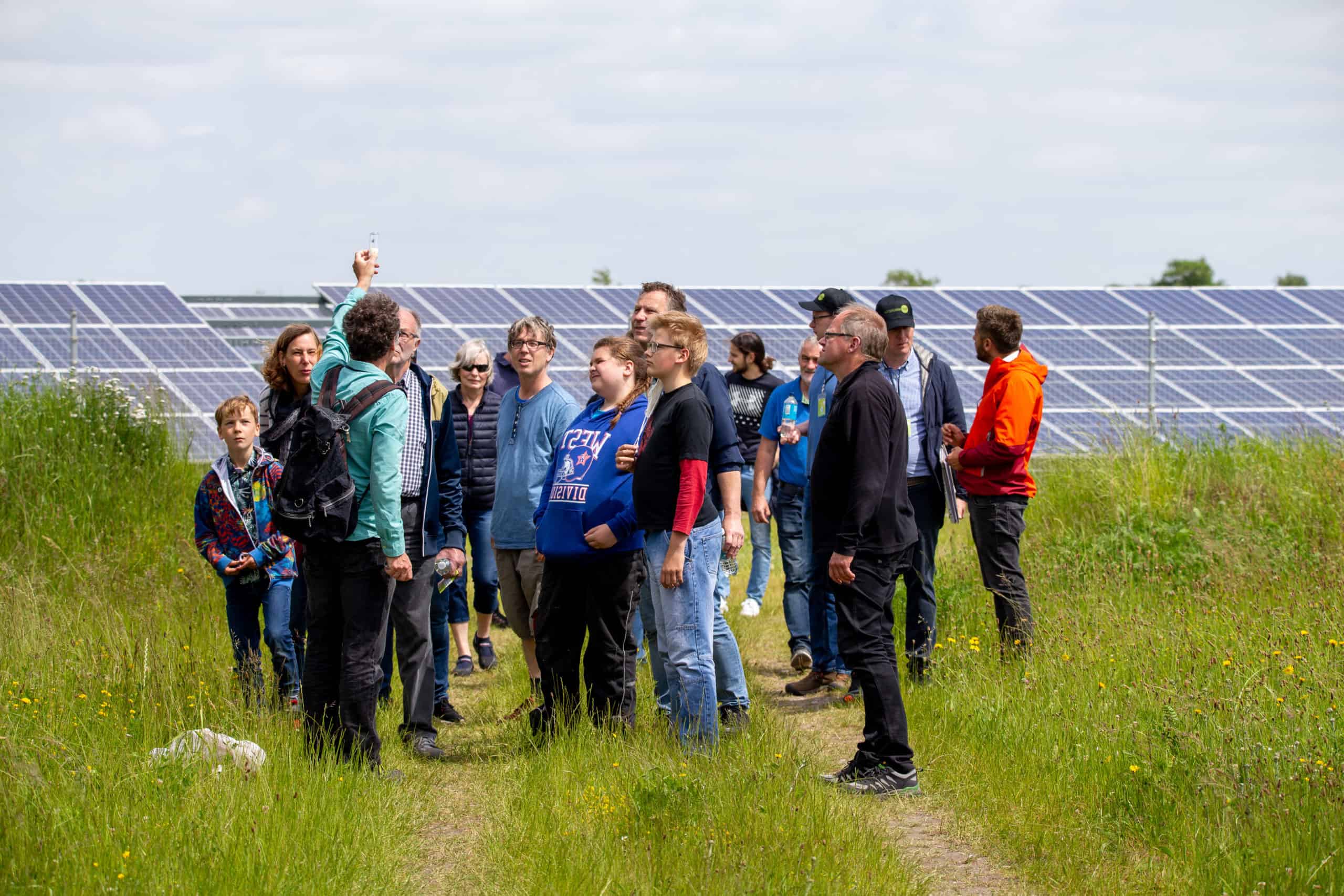
How can local communities be involved?
Local communities and people can benefit from solar parks in a variety of ways. For example, plant operators make lease payments for land and pay their local business tax. Section 6 of the EEG also allows local authorities to participate directly in the proceeds from solar parks.
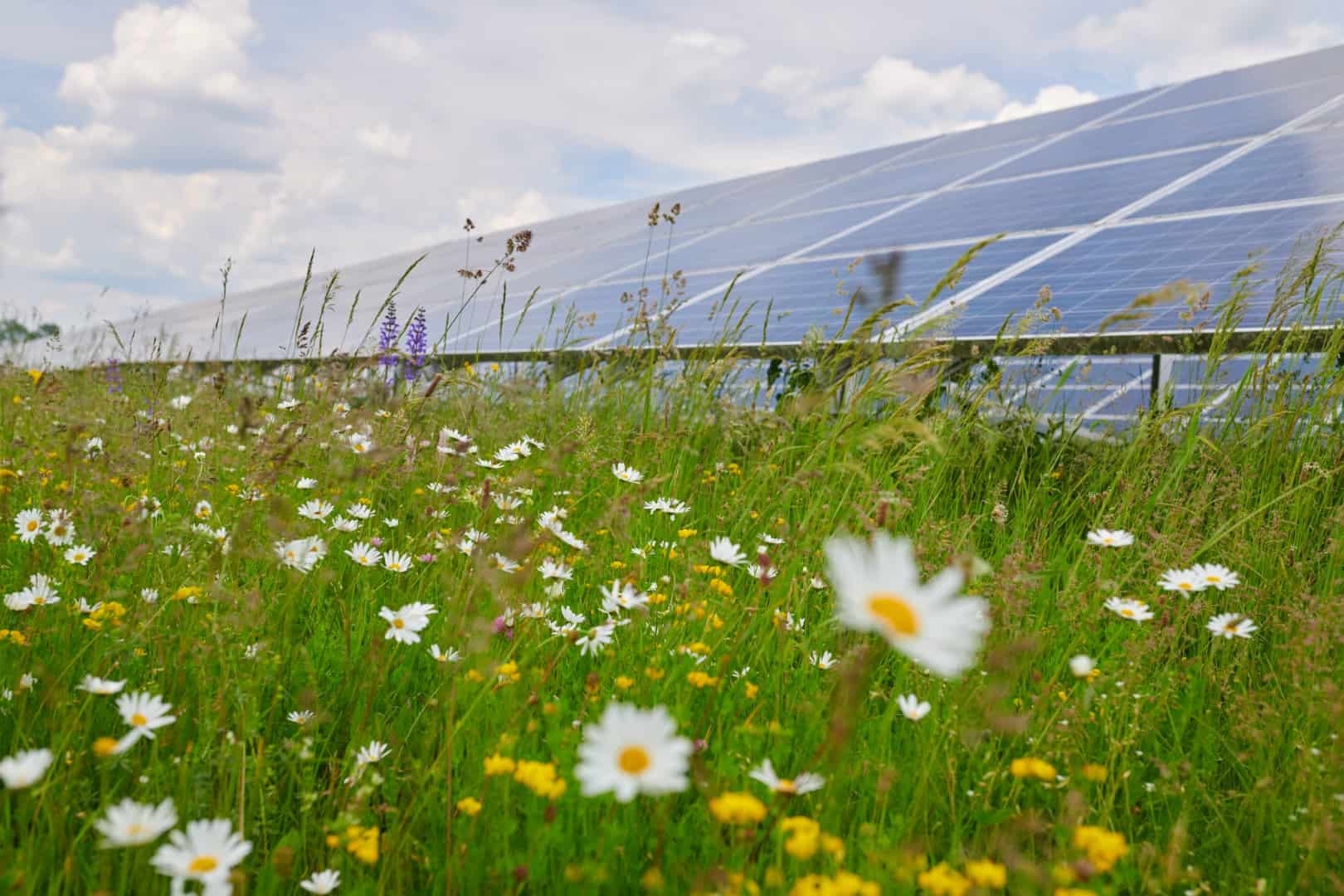
More than just green electricity – How solar parks boost local coffers
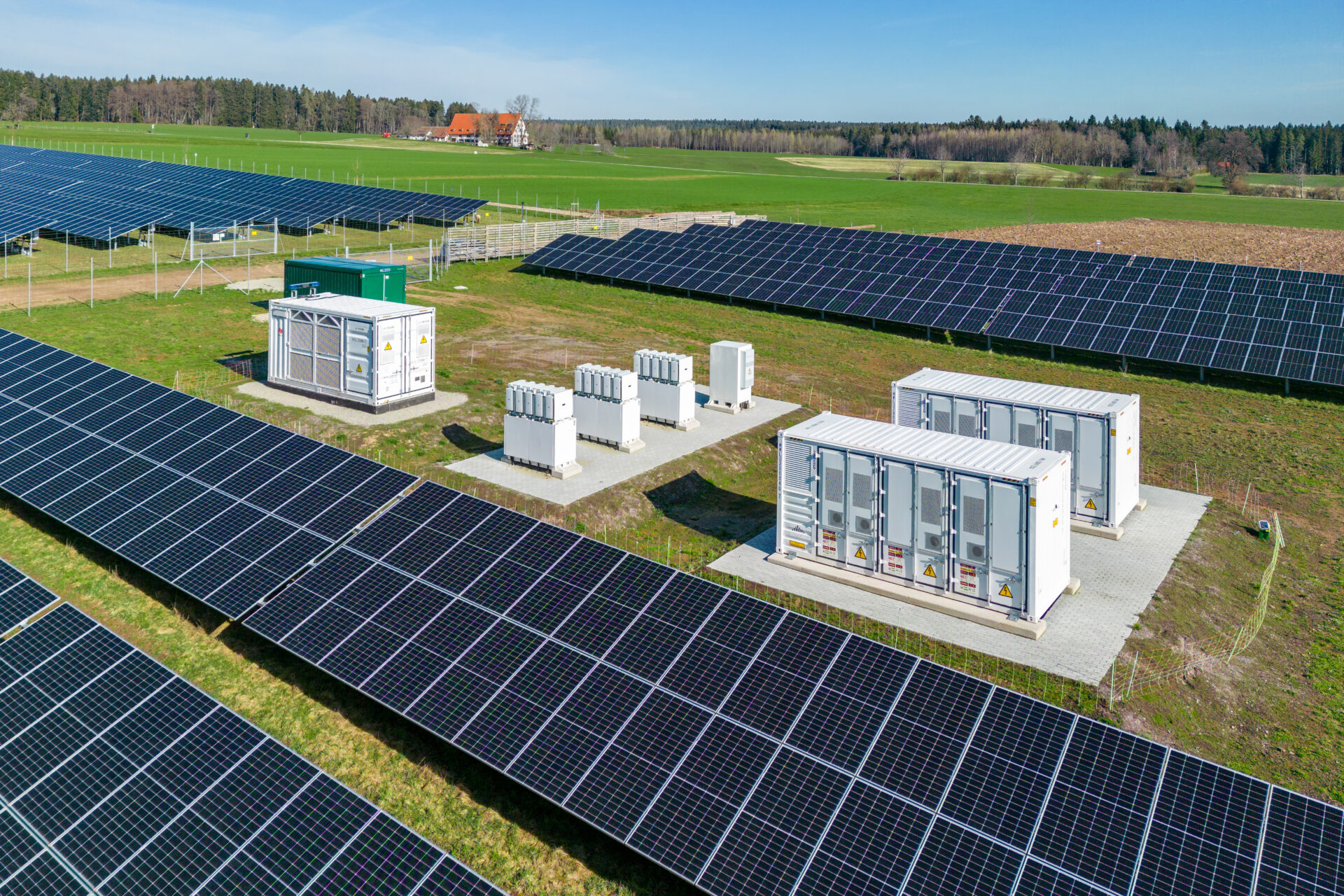
Battery storage: Valuable flexibility for the energy transition
Desire and reality - How local authorities view the expansion of solar parks
Financial participation in solar parks under stress test: New report looks at state laws
Solar parks with storage need an update on municipal participation
10 good reasons in favour of solar parks

Bürgerwerke - The power of community
GEO Nature Day 2021: Species counts show biodiversity in solar parks

Our fact sheets in simple language
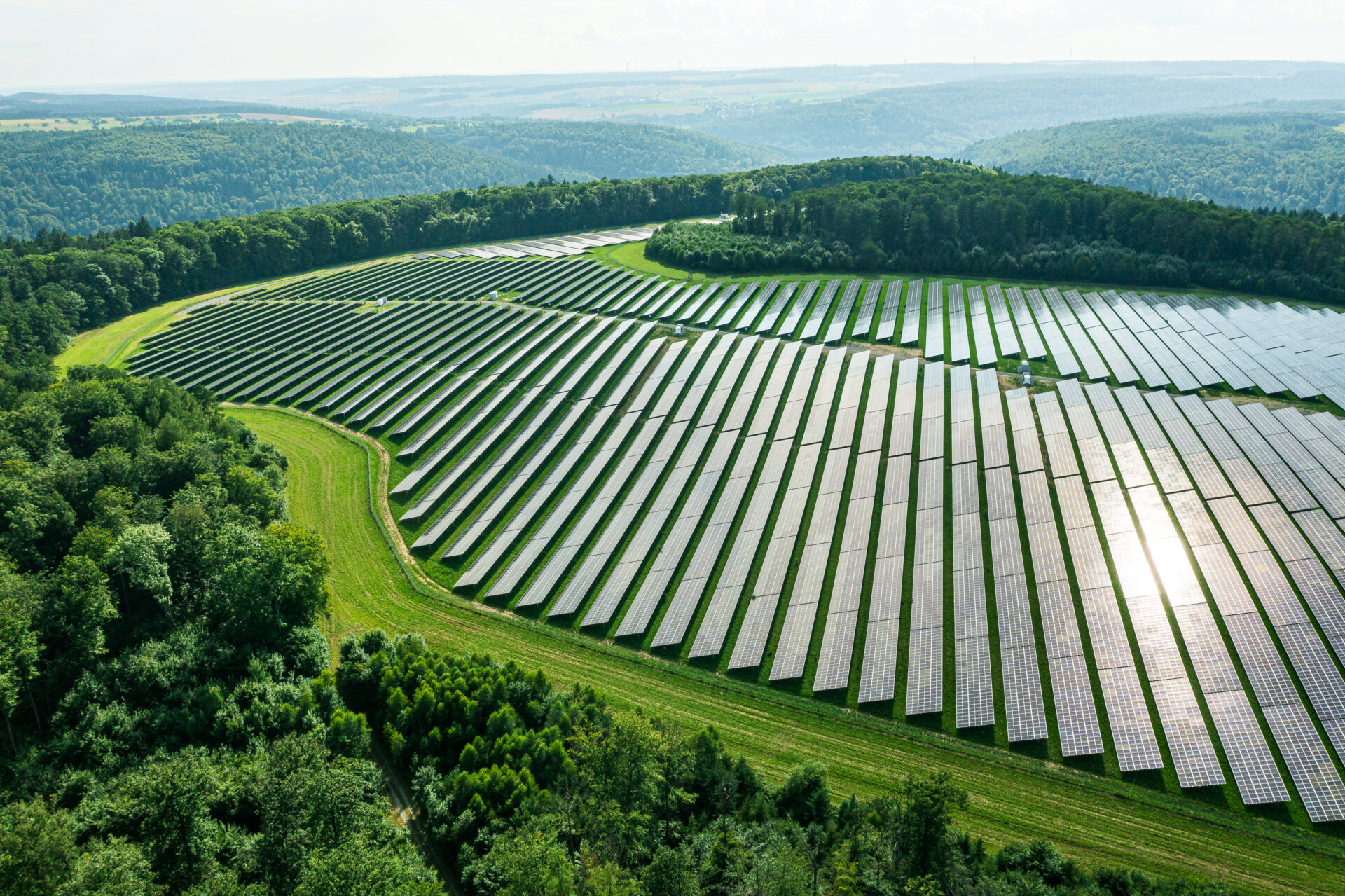
© EnBW/Paul Gärtner 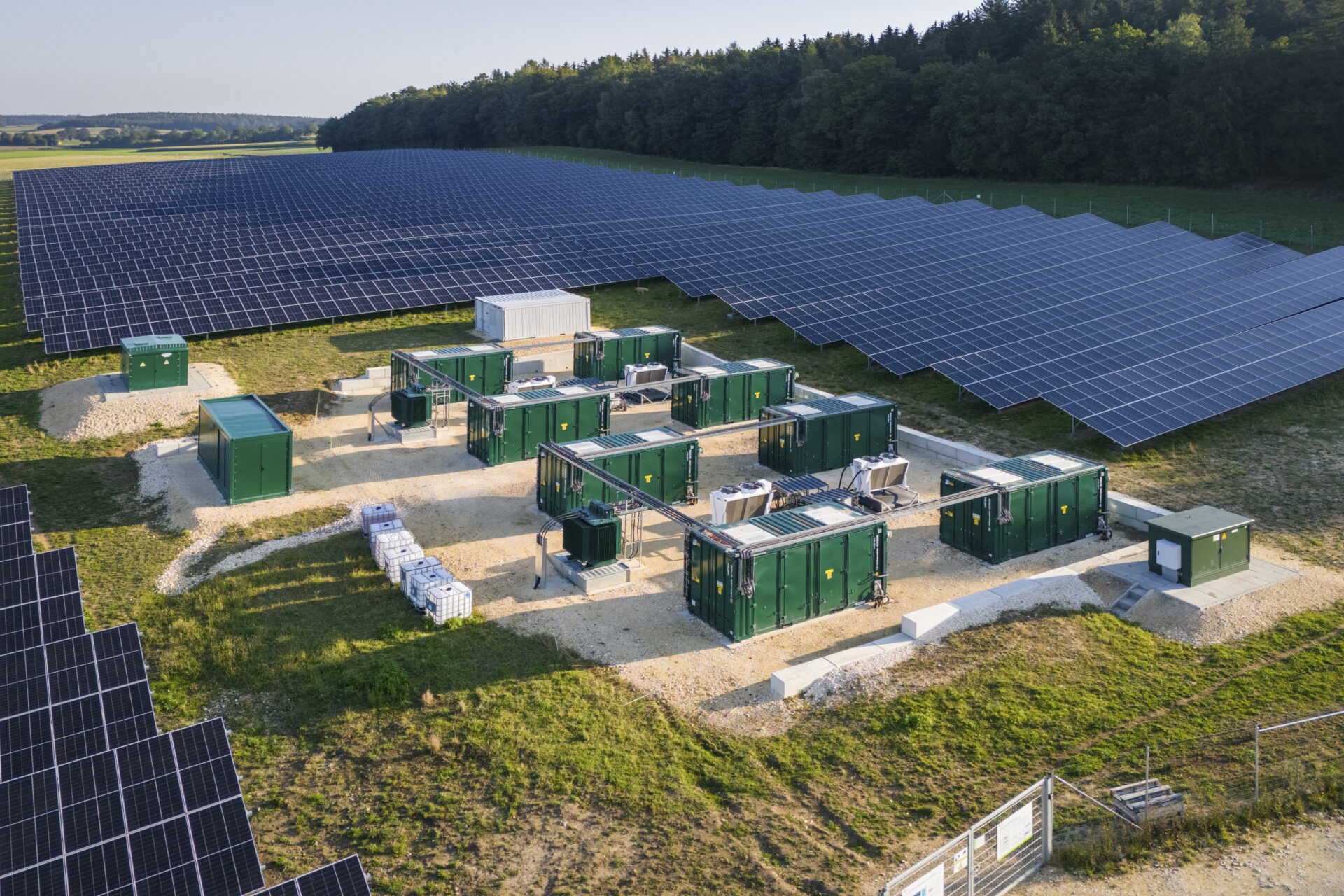
© BayWa r.e. 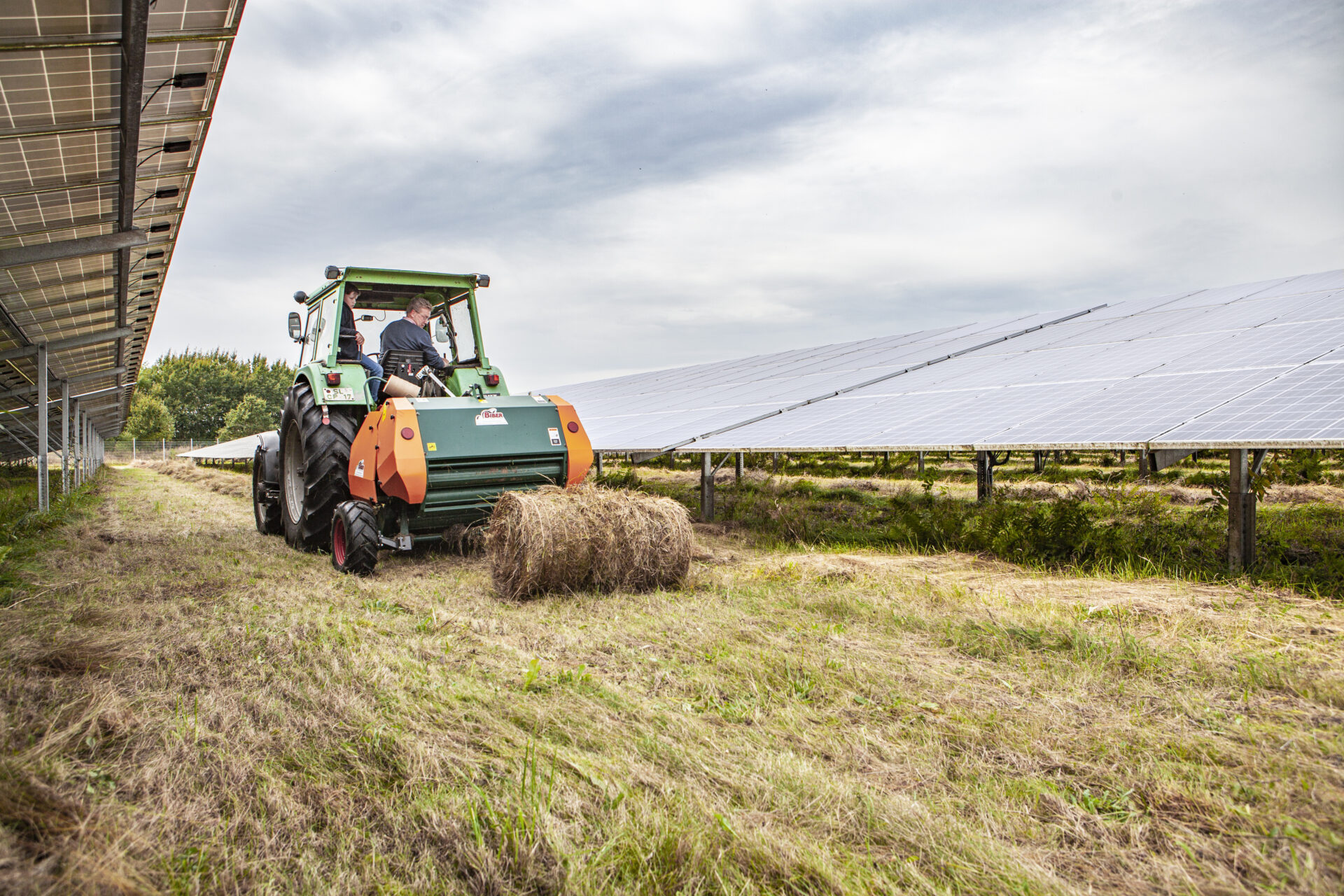
© Wattmanufactur
Thorsten Jörß
Head of Project Development Photovoltaics, EnBWFinding the right balance between the energy transition, land use and species protection is very important to us. Careful planning and an open dialogue are therefore essential in order to implement ground-mounted solar installations responsibly and in a way that creates value for all stakeholders in the municipalities.

Karl-Heinz Remmers
Managing Director, Remmers Solar GmbHSolar parks can provide municipalities with considerable funds in the long term in a legally secure manner through municipal participation. At the same time, direct citizen participation is possible through favourable electricity tariffs, shareholdings in the plants or very low-cost rooftop systems through supervised self-construction projects.


FAQs on the topic of municipalities
Here you will find answers to frequently asked questions. Do you still have questions? Write to us!
Contact usWhat added value is created for communities? How can citizens be involved in solar projects?
Local communities and people can benefit from solar parks in a variety of ways. Plant operators contribute Lease payments for land and pay on site their Trade tax. An amendment to the Renewable Energy Sources Act 2021 (EEG 2021) means that local authorities can also participate directly in the proceeds from solar parks. We offer information on forms of participation herethere is also a Sample contract to the Participation of municipalities in solar parks.
Quite a few solar park projects also include a Direct participation possible. For example, companies, municipal utilities or local authorities can become co-partners in solar installations. There are also Co-operative or other participation modelsThe solar energy foundation is a community-based organisation in which citizens operate the systems (or parts of the systems) themselves and thus receive returns and green electricity. In addition, solar energy foundations can support local charitable initiatives. Even without active participation Citizen power models provide financial relief, for example in the form of a favourable regional electricity tariff. However, this model is not feasible for all projects. Solar parks are the cheapest way to produce electricity today and will remain so in the foreseeable future.
The Participation opportunities of solar parks for local communities and people are manifold. Financial participation can directly or indirectly take place. Measures can often be combined, but not always.
You can find more information on our page about Variants of participation. Some federal states have already introduced regulations on participation at state level. You can find an overview here here.
Which areas are suitable for solar parks? What criteria are used to designate areas for solar parks?
The search for a suitable location usually begins with the fact that Analyses of potential for suitable areas be carried out. How this process works in more detail is explained in the article "From potential area to solar site" is explained in more detail. In addition to the potential of an area, other factors are also examined Framework conditions, such as suitability, assessment and exclusion criteria. Depending on the respective regulations in the federal states, there are areas that are suitable for the planning of solar parks from the outset, that must be excluded or that may be considered under certain circumstances.
Note: The following list can only serve as a guide and describes the basic suitability of an area for solar parks. Please find out more about the respective suitability, consideration and exclusion criteria in your federal state or planning region.
Suitable surfaces:
- Arable land or grassland that produces lower agricultural yields, for example because the climatic conditions are unfavourable or the soil quality is poor,
- Areas covered by the Renewable Energy Sources Act (EEG), i.e. simplified verges along railway lines and motorways and (depending on the federal state) possibly agricultural land in so-called "less-favoured areas" and
- existing conversion areas, for example on disused landfill sites, open-cast mines, pits, quarries or military training areas.
Excluded areas are in particular
- Settlement areas (local areas, buildings, etc.),
- Roads and paths, railway lines, rail transport facilities,
- Forest and woodland areas,
- Floodplains,
- Nature reserves, national parks, biosphere areas (core zones), biotopes,
- Natural monuments,
- Water protection zones (Zone I).
Areas that may be considered are:
- Biotope networks (dry, wet and medium habitats, general game trail plan, etc.),
- Natura 2000 areas, for example flora-fauna-habitat areas (FFH) and bird sanctuaries (SPA),
- Protected landscape areas,
- Biosphere areas (development zones and maintenance zones),
- Water protection zones (Zone III).
Further information can usually be found on the website of your planning region and in the article: From potential area to solar site
Who is planning the solar park? And what needs to be considered during the planning process?
Once a suitable area for a solar park has been found, the Contact established with the municipality be realised. The approval of the local authority is an essential step for the realisation of the project. This is because the construction of a ground-mounted PV system depends heavily on regional regulations and decisions off. Ultimately, the municipality issues the Building permitwhich is decisive for the further steps in project development.
Whether and when the local authority authorises the construction of a solar park depends on the type of area on which the PV system is to be erected. This is because in January 2023, a privileged status was introduced for selected areas as part of an amendment to building law. A distinction is now made between privileged and non-privileged areas differentiated. For privileged areas, project developers can submit a building application directly to the municipality, eliminating the need for the municipality's time-consuming development plan procedure. In the case of non-privileged areas, the municipality has planning sovereignty and initiates the urban land-use planning. You can find more information in our post "The path to planning permission“.
Wondering how a solar park is created? In our post series you will find many details on the individual project steps:
- Step 1 from 4: Land reclamation - From potential area to solar park
- Step 2 from 4: Planning phase - The path to planning permission
- Step 3 from 4: Construction phase - How is a solar park built?
- Step 4 from 4: Operation & management - Maintaining and managing a solar park
Do fire protection requirements have to be observed in the solar park?
For ground-mounted PV systems, it is not possible according to the German Fire Brigade Association DFV not requiredfire protection requirements such as fire brigade bypasses, fire brigade plans or extinguishing water supplies. This is because the Module rows at a sufficient distance to each other, so that on the one hand the Fire spread made more difficult and on the other hand, walkways already exist between the rows. In the event of a fire, the risk for emergency services is comparable to forest or open spaces.
An exception to this are areas with a high risk of forest/field fires, in particular areas of forest fire risk class A or A1, or e.g. drinking water protection areas. Additional requirements may apply here under certain circumstances.
How does a solar park fit into the landscape?
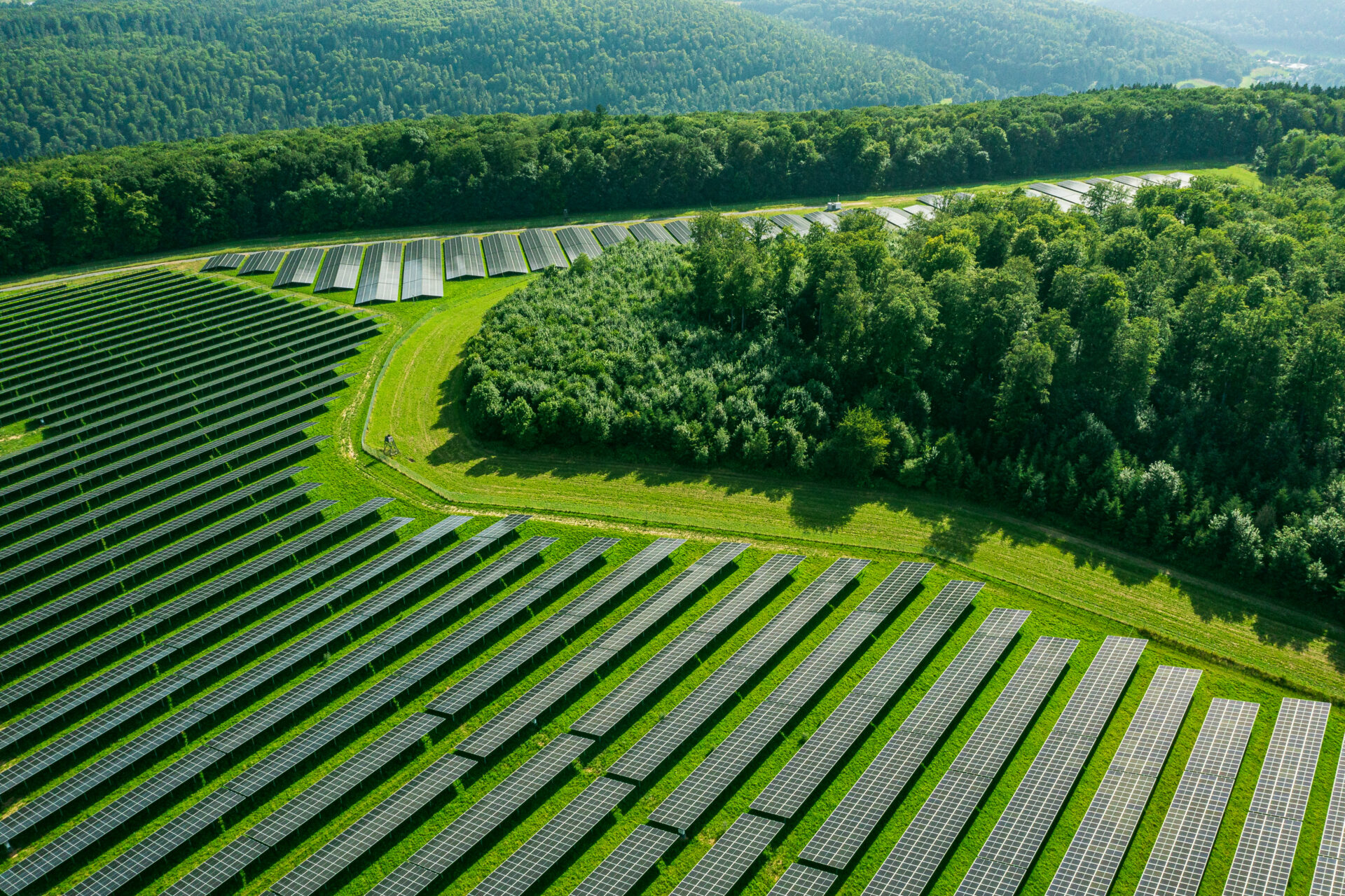
Solar parks are increasingly becoming part of our cultural landscape. However, their shape, colour and reflection can be perceived as disturbing by local residents. The larger a ground-mounted PV system is, the greater its potential impact on the landscape. The Integration into the respective landscape is therefore increasingly important in order to increase the acceptance of solar parks. Read the article to find out how this integration can succeed in detail: New energy landscapes.
On flat terrain, a solar park can be created in such a way that it barely rises above the horizon, if at all. In addition, low planting at the edges can ensure that the installations are only visible from close up. In order to achieve harmonious integration into the landscape, visualisations are created at the start of the planning process. These digital maps are particularly helpful for hilly landscapes in order to assess how solar parks will fit into a rural environment. Based on the visualisations, the appearance of a plant is discussed with local residents at an early stage and optimised if necessary. In the case of a topographically adapted construction method, visual relationships relevant to the protection of historical monuments are also taken into account.
The signatories of the Self-commitment Good planning of ground-mounted PV systems are committed to embedding solar parks responsibly in our cultural landscapes.
Can solar parks be used for agricultural purposes?
Solar parks are Suitable for multiple agricultural use. Areas within ground-mounted PV systems require permanent maintenance. In contrast to traditional agriculture, land maintenance is generally extensive, which also benefits biodiversity.
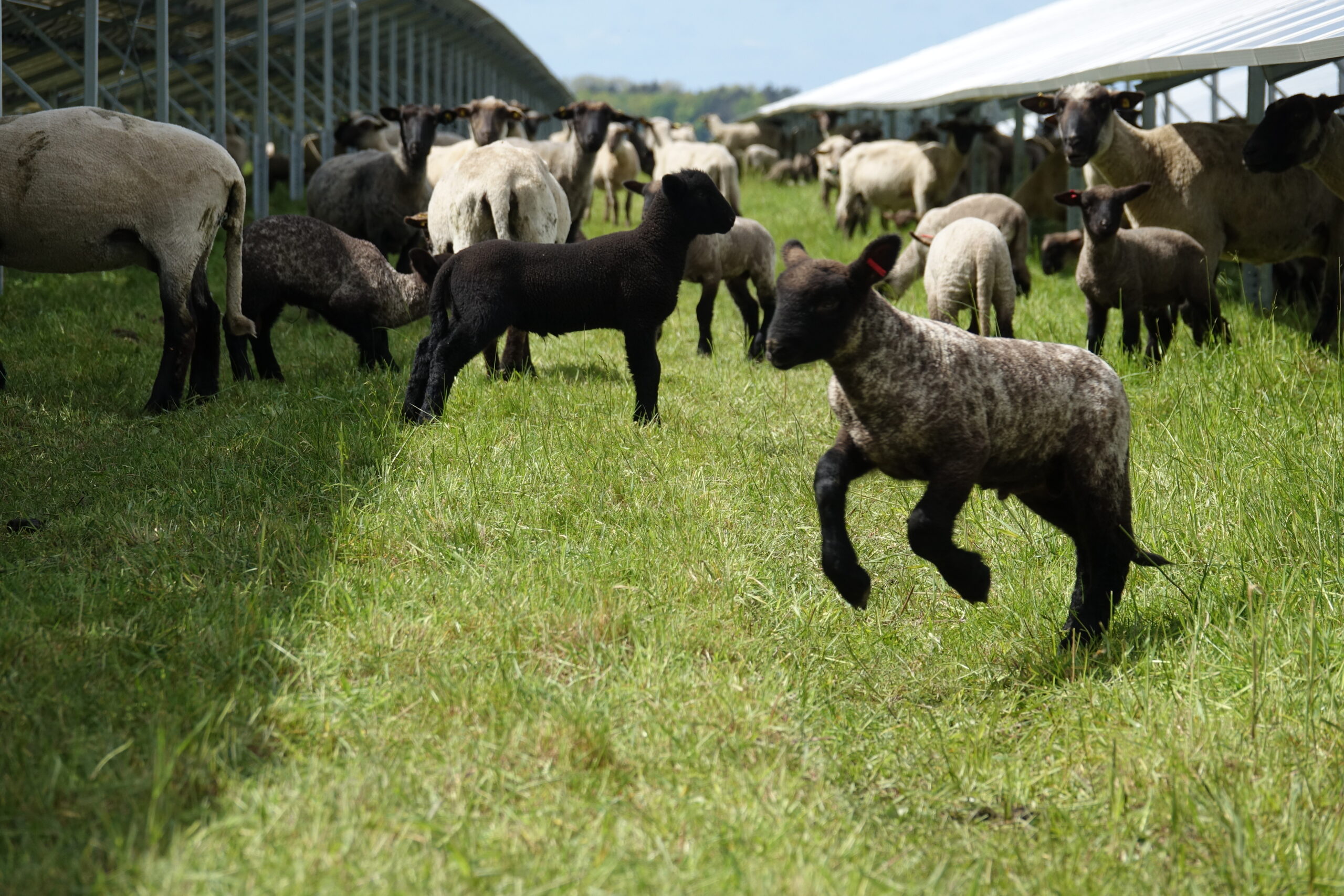
Grazing: Solar parks are often used for grazing sheep, but it is also possible to keep poultry or pigs outdoors. Solar parks are fenced in anyway and the module tables protect the animals from the weather.
Extensive agricultural land maintenance: Areas that are not or only occasionally grazed are usually mowed twice a year. As neither pesticides nor fertilisers are used, organic hay can be produced there. As the mown material is removed, particularly valuable meadows are created for biodiversity. If climate-friendly humus formation is a goal on the area, mulch mowing is also possible, but then with a reduction in the development of biodiversity.
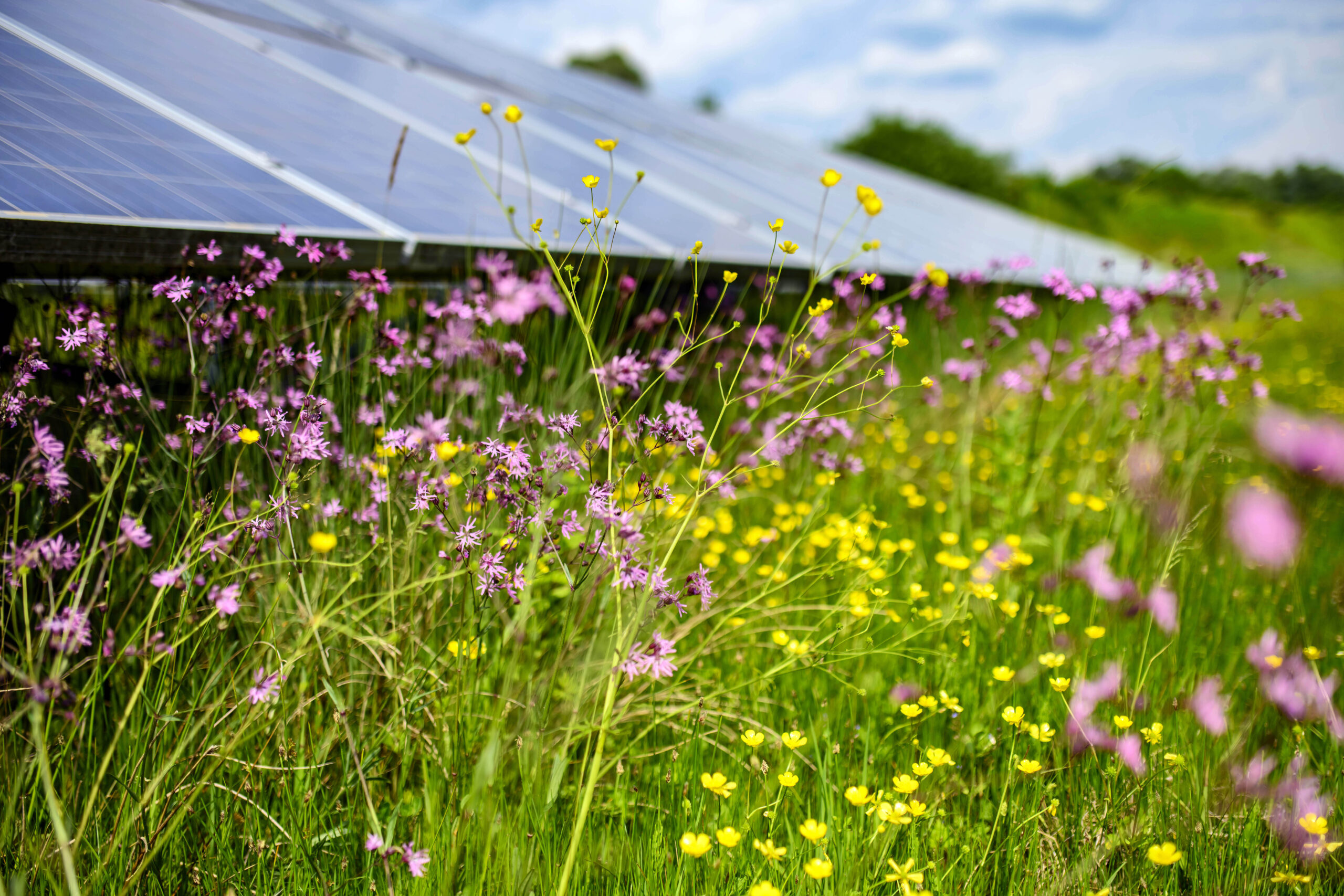
Biodiversity increases on extensively utilised solar park areas. This is particularly the case if biodiversity has previously declined due to conventional farming.
Depending on the type and method of land management, on the one hand the Soil recovery are in the foreground or the Solar park as a "flower strip XXL" have a positive effect on insect diversity. Soil recovery usually goes hand in hand with Erosion prevention and an improved Water retention capacity accompanied. With adapted management concepts, the Development of particularly species-rich habitats possible.
You can find more information on our Agriculture page.
Where can I find counselling services for local councillors?
There are various programmes for municipalities at different levels in almost all federal states. We have listed a few examples here and are gradually expanding the list:
- In Baden-Württemberg, there is the state-funded "Energy dialogue forum". For projects related to the energy transition, municipalities can make use of services such as consulting, the organisation and moderation of events, mediation, clarification of technical disputes and other communication services. The process is open-ended.
- Municipalities and other interested parties can also find support from energy agencies, which exist in almost all federal states. The Thuringian Energy and GreenTech Agency (TheGA) as a competence, advice and information centre. It has its own contact partners on the subject of solar energy.
- Another example is the Energy Agency Rhineland-Palatinate GmbH. Among other things, it offers building owners, local authorities and companies initial advice and specialist information on solar heating networks in local authorities. It provides information on funding opportunities and arranges state funding programmes.
In various federal states there are so-called "Energy competence centres", which provide information on various issues for municipalities, project developers and citizens.
The Competence centre for nature conservation and energy transition (KNE) operates nationwide. It networks stakeholders, provides up-to-date expertise and endeavours to prevent conflicts, particularly with nature conservation. To this end, the KNE organises local mediations, for example.Other municipalities that have already built solar parks can also be an important source of information. Best practice examples show what experience municipal representatives have gained from the planning to the subsequent operation of a solar park.
Interesting contributions
You can find more interesting articles on this topic here:
More than just green electricity – How solar parks boost local coffers
Battery storage: Valuable flexibility for the energy transition
Survey confirms: Grid connection is the bottleneck of the energy transition for local authorities
 English (UK)
  Deutsch