

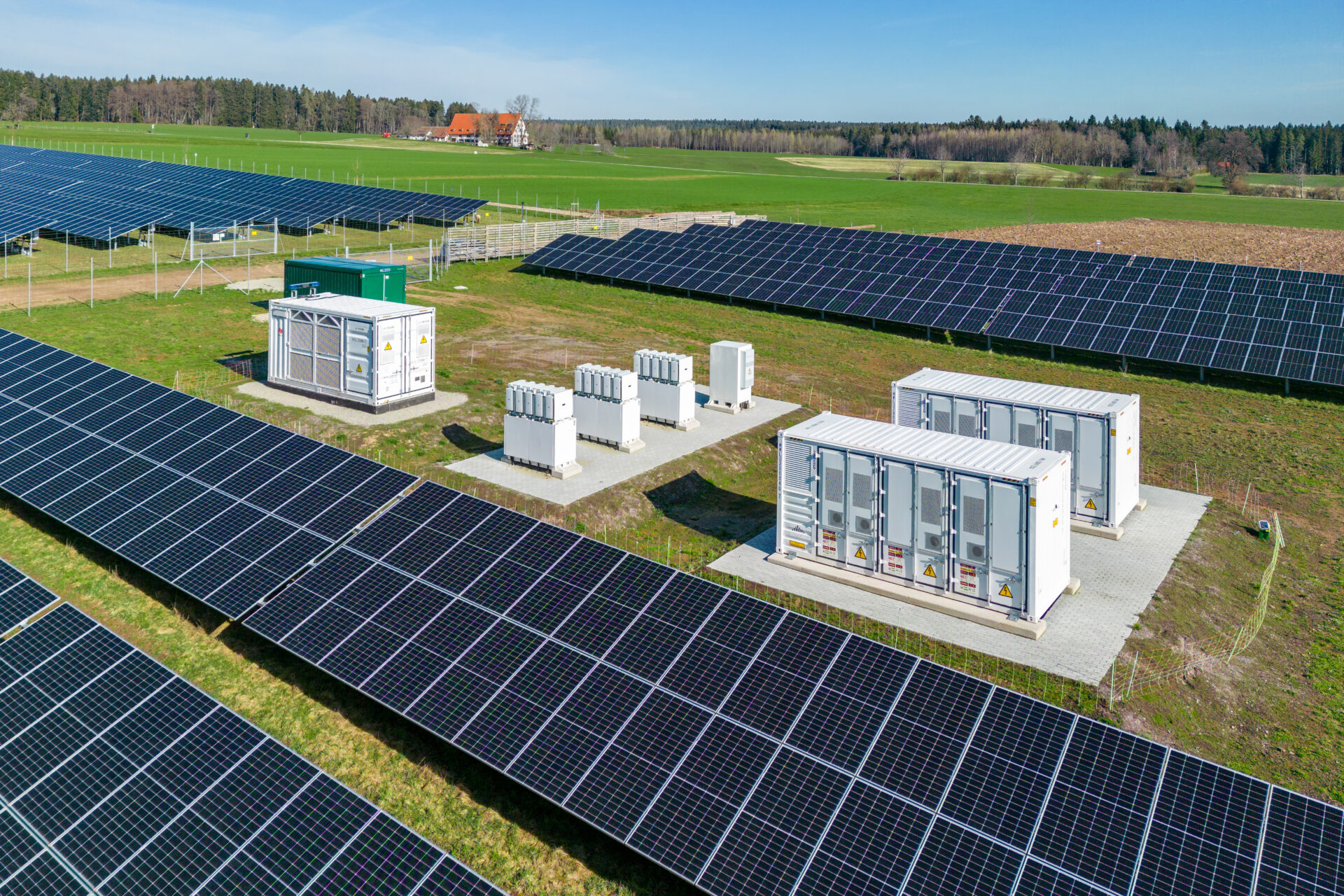
Battery storage systems are far more than just technical add-ons: they stabilise the electricity grid, facilitate the use of solar and wind power, and offer local authorities new opportunities for planning, value creation and security of supply.
Battery storage is rapidly evolving from a niche technology into a a key component of the energy transition. They help to make solar and wind power available when it is needed, thereby creating exactly dthe flexibility that the electricity system often lacks today.
Storage solutions open up new opportunities, particularly for local authorities: You can Making better use of renewable energy installations, Relieving pressure on networks and boosting local value creation. This is also underlined by a Feature article in the local government magazine *Der Gemeinderat*: Battery storage systems are not only technically significant, but are also becoming increasingly important from an economic and planning perspective.
Why battery storage is so important
Electricity from solar and wind power is not always available when demand is at its highest. At midday, electricity prices are often very low or even negative, whilst expensive peak loads occur in the evening. Battery storage systems can balance out these differences by storing electricity and feeding it back into the grid at a later time.
In this way, they make a a significant contribution to the stabilisation of the electricity system. At the same time They reduce curtailment costs, lower wholesale prices and increase the market value of renewable energy. This makes them an effective tool for a more efficient energy transition. You can find out more about the benefits of battery storage in our SonneSammeln Fact Sheet.
Benefits for local authorities
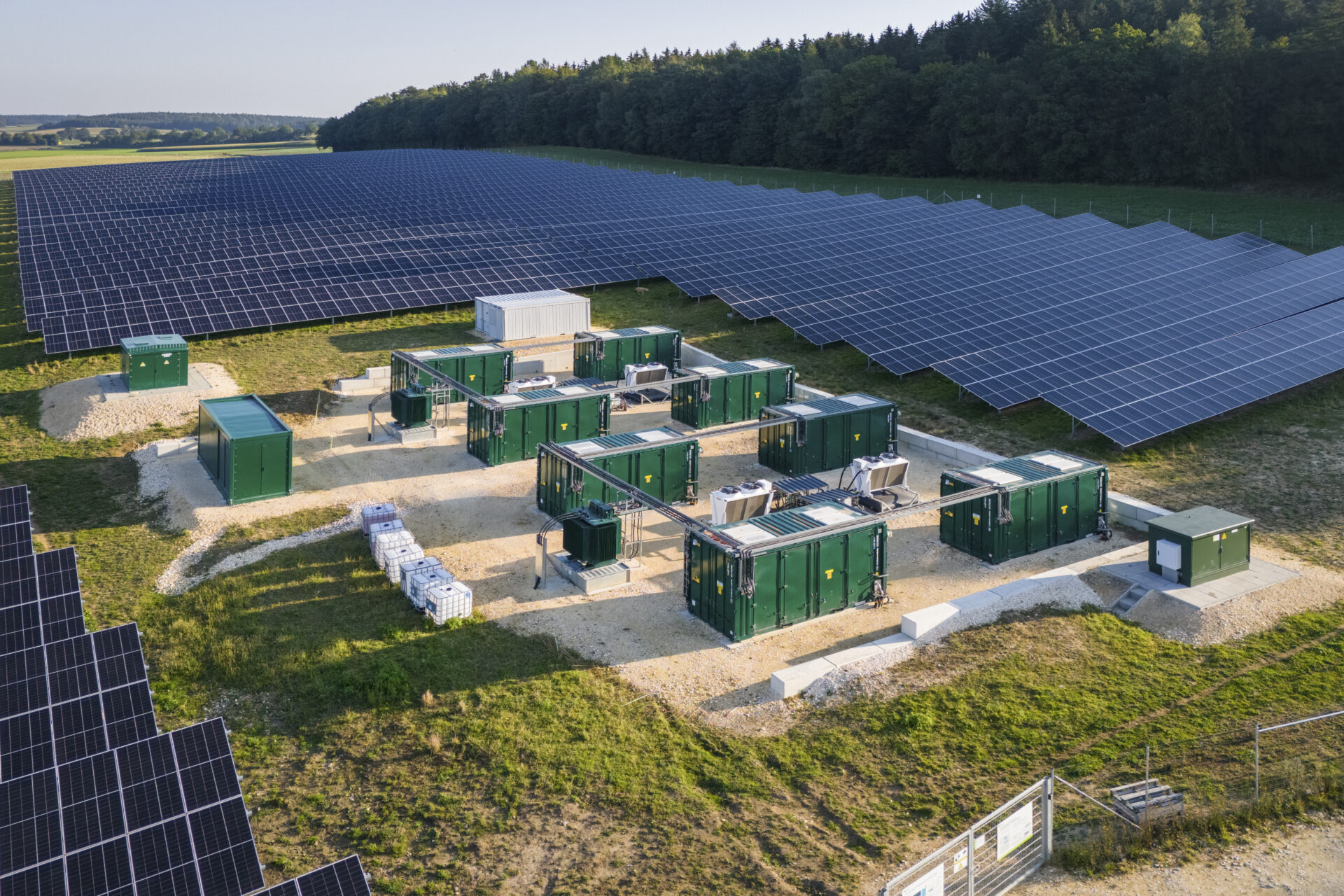
Battery storage systems are of particular interest to local authorities because they not only support the electricity system but also bring tangible benefits at a local level: Local value creation benefits when storage projects are combined with solar parks or other energy facilities.
Furthermore, the tax and regulatory framework is constantly evolving. Since 2024, 90 per cent of the business rates for on-site battery storage systems have remained at the site, and there are also signs that local community participation under the EEG is becoming more closely aligned with storage solutions.
Where there are still issues
Despite the high level of dynamism Access to the network remains the biggest hurdle. Many grid connections are not sufficiently developed, and standardised, transparent connection processes are often lacking. This holds back not only new storage projects, but also renewable energy, data centres and other electricity consumers.
Existing grid capacity should be utilised more effectively. These include Increased capacity at existing junctions, the shared use of network connections and the targeted use of digital control systems. Storage solutions can therefore often provide a quicker and more cost-effective solution than laying additional cables.
What local authorities can do now
Local authorities should incorporate battery storage into their energy planning at an early stage. This is particularly useful in the context of existing solar parks or other renewable energy installations, where Storage solutions that can improve the use of existing infrastructure. Local urban land-use planning can also play an important role in this regard.
With the newly created outdoor area privilege for battery storage systems The Building Code paves the way for more battery storage projects at solar parks. What exactly this change in the law entails is explained in our Webinar on outdoor area exemptions explained.
The technical requirements are in place. If planning permissions, grid connections and the legal framework are further improved, it will be possible to Battery storage is set to become one of the key factors for success in the next phase of the energy transition become.
All links at a glance
Link to the local council article „Precious flexibility“ (pp. 44–45)
Link to the webinar „Outdoor installation exemptions for battery storage systems"
Link to the factsheet „Battery storage"
Link to the factsheet „Power grids"

 English (UK)
  Deutsch