
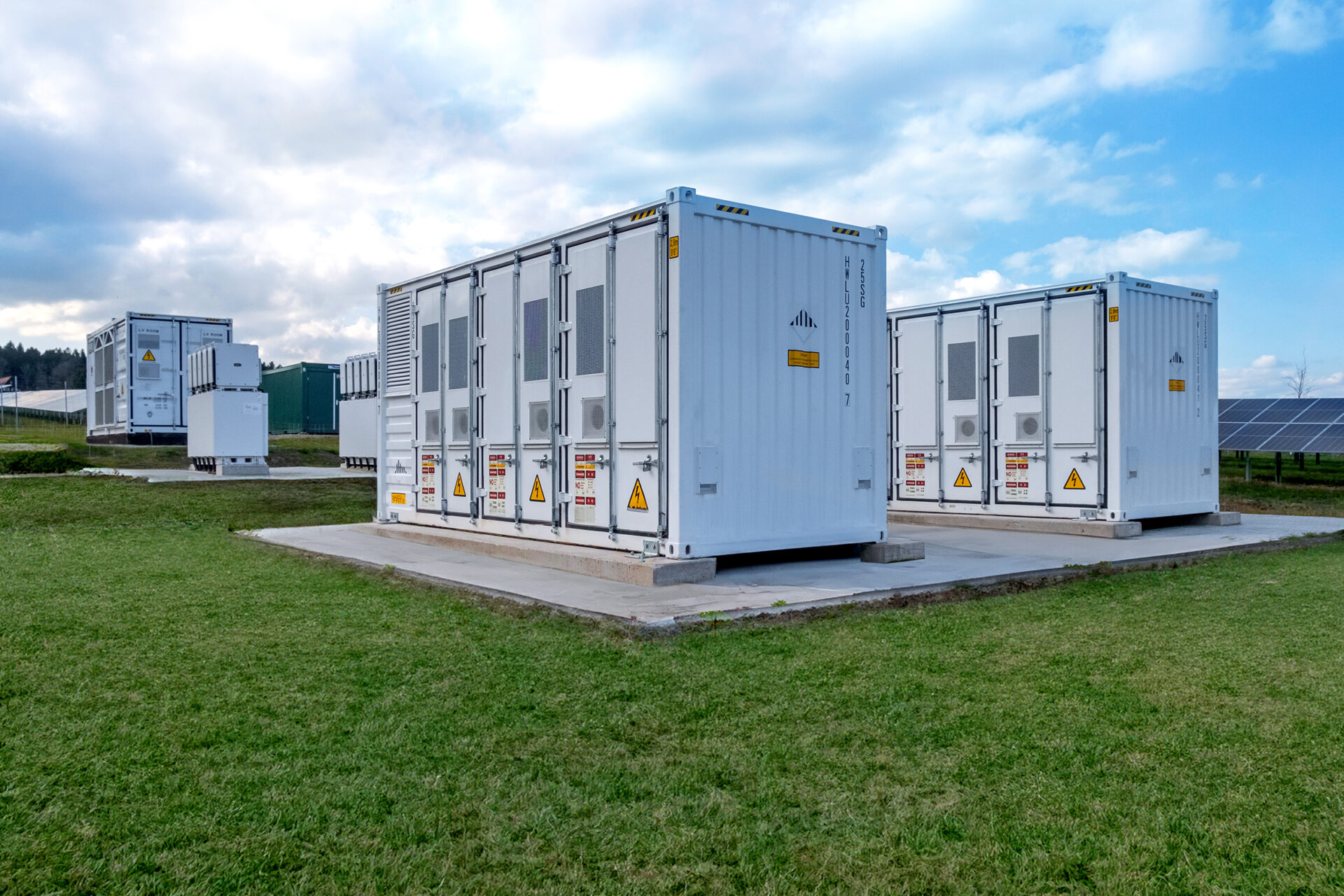
The current weather conditions are conducive to periods of low generation: little sunshine, light winds – and a power system that has to fill the gap. It’s a challenging task, but there’s no need to worry: the technology to achieve this is already available.
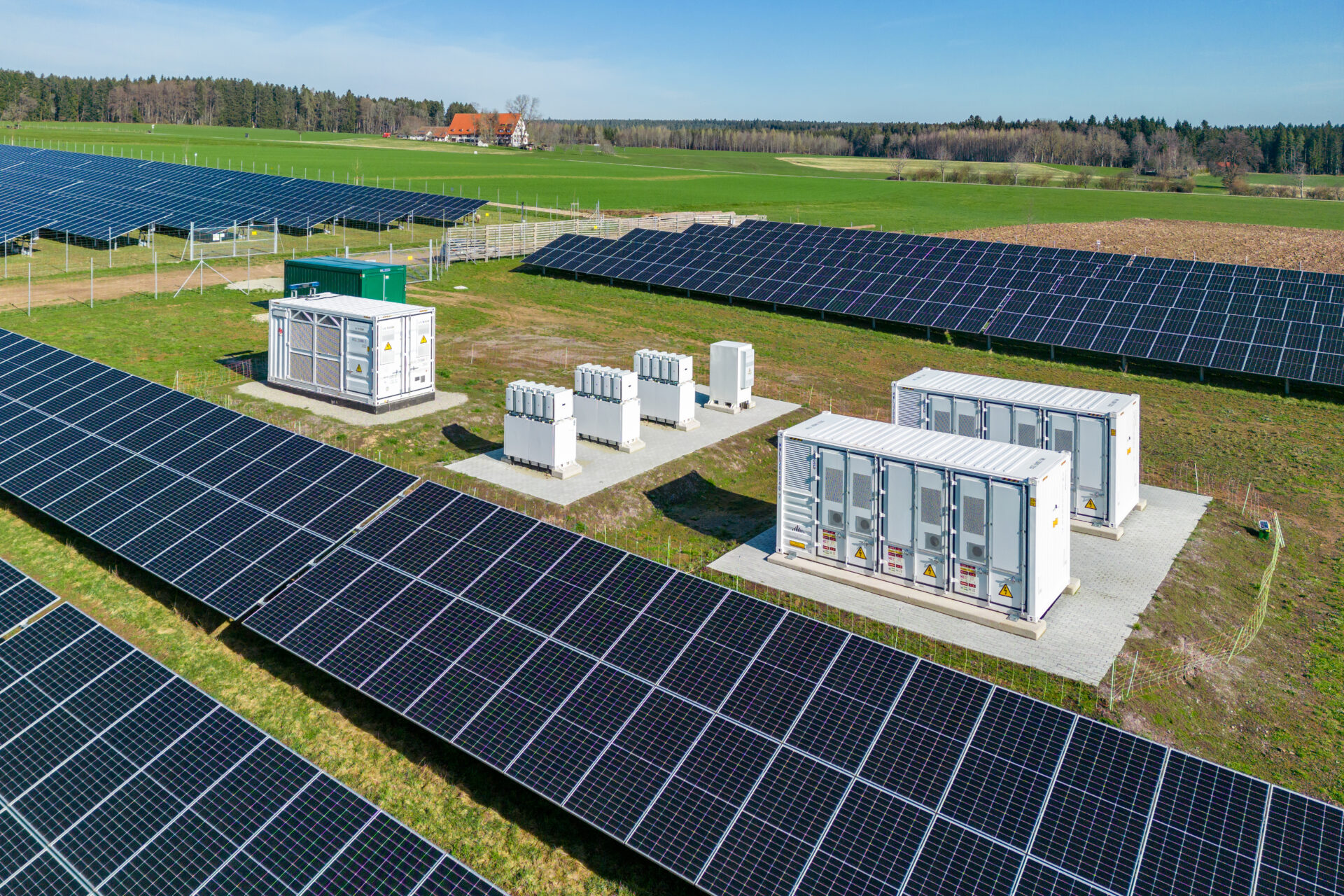
In addition, the mix of power generation technologies is constantly evolving – and storage systems play a key role in this, alongside turbines and engines. Short-term storage smooths out short-term supply shortages and can influence electricity prices. Long-term storage, including hydrogen, secures supply over longer periods and can replace fossil-fuel-fired backup power stations in the long term.
We therefore want to show which Memory our electricity system needs in order to continue to Reliable and affordable during periods of low demand to stay.
We would therefore like to cordially invite you to our webinar „Storage for periods of low wind and low sunlight: providing short-term relief, ensuring long-term security“ on 3 December 2026 in.
Leonhard Gandhi from Fraunhofer ISE shows how short-term storage can help reduce electricity prices during periods of low generation and low demand – including a demonstration of an electricity price simulator.
Dr Wolf-Peter Schill and Dr Martin Kittel from DIW Berlin present the latest research findings on the role of long-term storage in European periods of low wind and low sunshine.
Afterwards, the speakers will answer your questions.
Our programme:
- Greeting (Robert Busch, Managing Director, bne)
- An Introduction to the Topic of ‘Dunkelflaute’
(Carsten Pfeiffer, Head of Strategy and Policy, Bundesverband Neue Energiewirtschaft e.V.) - Short-term storage during periods of low demand and low sunlight: How batteries can bring down electricity prices (Leonhard Gandhi, Fraunhofer Institute for Solar Energy Systems ISE)
- Making the energy transition resilient: long-term electricity storage to safeguard against periods of extreme low wind and low sunlight (Dr Wolf-Peter Schill and Dr Martin Kittel, DIW Berlin)
- Q&A session with the participants
To ensure that the login details are sent in good time, we would ask for a To ensure that the login details are sent in good time, we would ask for a Registration closes on 1 December 2026.
Background
| The knowledge platform launched by bne "Safely through the dark doldrums" provides fact-based and easy-to-understand information on all aspects of managing periods of low activity. This webinar follows on from our January webinar „Staying safe during the winter lull – here’s how!“. At that time, the focus was on short-term storage, demand response, flexible bioenergy and gas-fired power stations. This time, we are taking a closer look at the question of what kind of storage a sustainable electricity system needs, and how storage can reduce electricity price spikes, particularly during periods of low solar and wind output. |

 English (UK)
 Deutsch