
Frischhut GmbH & Co. KG
Two rooftop solar PV systems deliver cost savings and competitive advantages
Energy Partners / Max Solar GmbH
836 kWp (Type 1)
289 kWp, PPA self-consumption (Type 2)
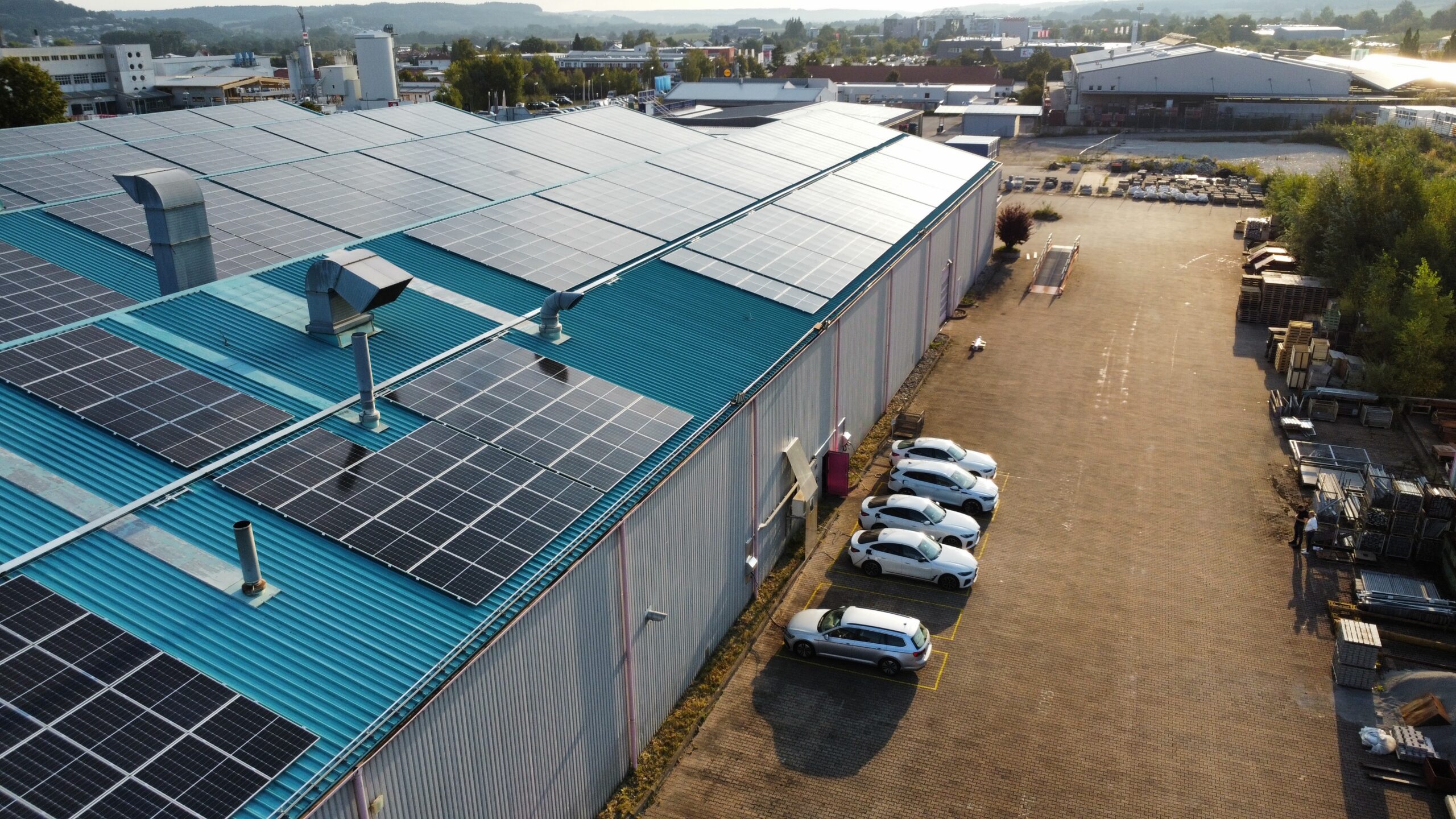
Roof-mounted PV system with PPA and self-consumption of electricity
Pfarrkirchen, Bavaria (Type 1)
Neumarkt St. Veit, Bavaria (Type 2)
Security of supply through a holistic energy management system
How can a medium-sized business achieve a sustainable reduction in energy costs and ensure the associated security of supply?
Taking the Bavarian example as an illustration Castings manufacturer Fresh Hat it can be demonstrated how, through the intelligent interplay of Photovoltaics, tariff model and energy management system a sustainable, complete product is created. The production of the moulded parts involves requires a lot of energy, so that generating one’s own renewable energy and consuming it locally represents a genuine Competitive advantage can represent. With its two rooftop solar panel systems Frischhut is now able to meet a significant proportion of its energy requirements.
In the interview, he explains Managing Director Christoph Aigner on the path to a renewable energy supply and his experiences.

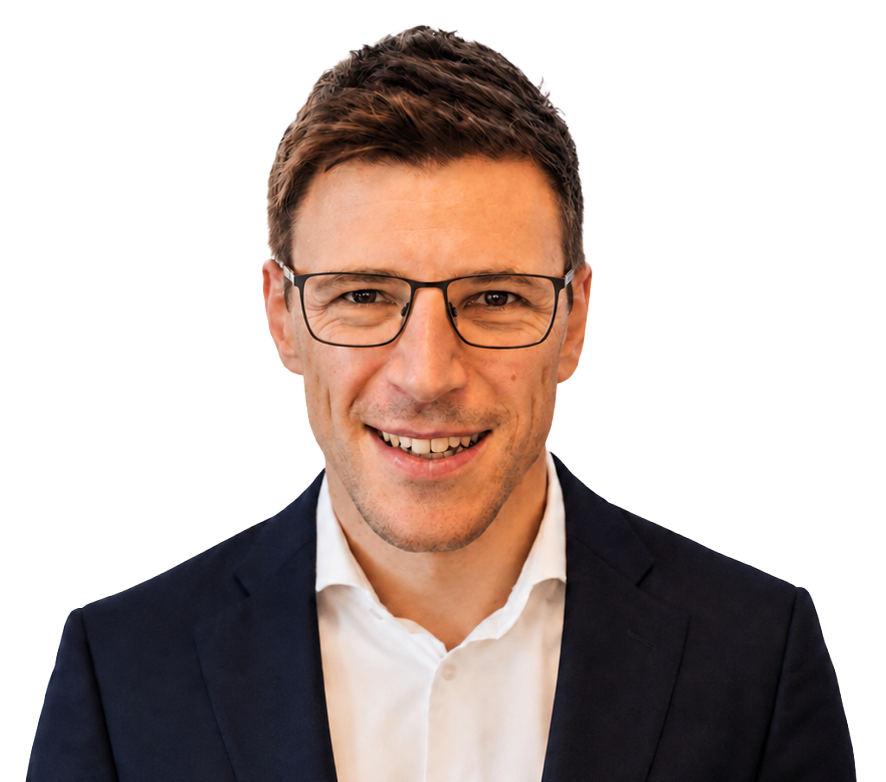
Christoph Aigner
Managing Director of Frischhut GmbH & Co. KGA foundry is a low-margin business, and our customers rely on us to supply castings at predictable prices. We cannot say, in the middle of the year: ‘Everything will cost 20 per cent more because electricity prices have risen.’ So we need planning certainty – and we can only achieve that if we generate some of our own energy.
A comparison of the rooftop PV systems in Pfarrkirchen and Neumarkt St. Veit
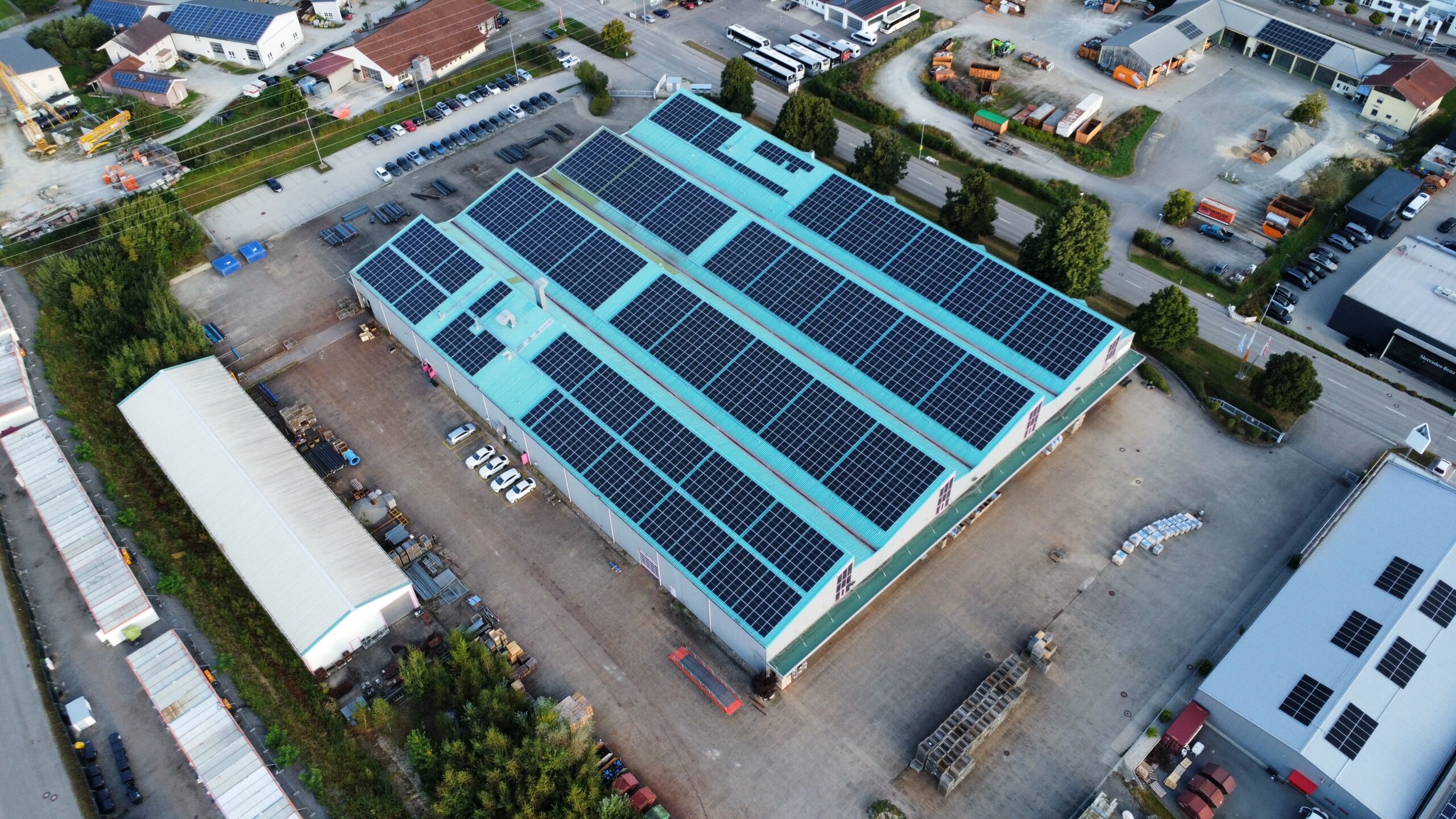
Roof-mounted PV system in Pfarrkirchen
836 kWp, PPA self-consumption → 64 % self-consumption, 51 % Self-sufficiency
Challenges:
• High energy consumption, highly volatile electricity and gas prices
→ Desire for a permanently low electricity price
• A desire for predictable energy costs and a reduction in CO₂ emissions
→ certified green electricity generated on-site
• The need to modernise the energy supply
→ e.g. subsequent switch to an electric oven
Timeline:
May 2024: Start of construction
June 2024: Completion of DC (direct current) works
January 2025 AC (alternating current) works
June 2025: Completion
July 2025: Commissioning
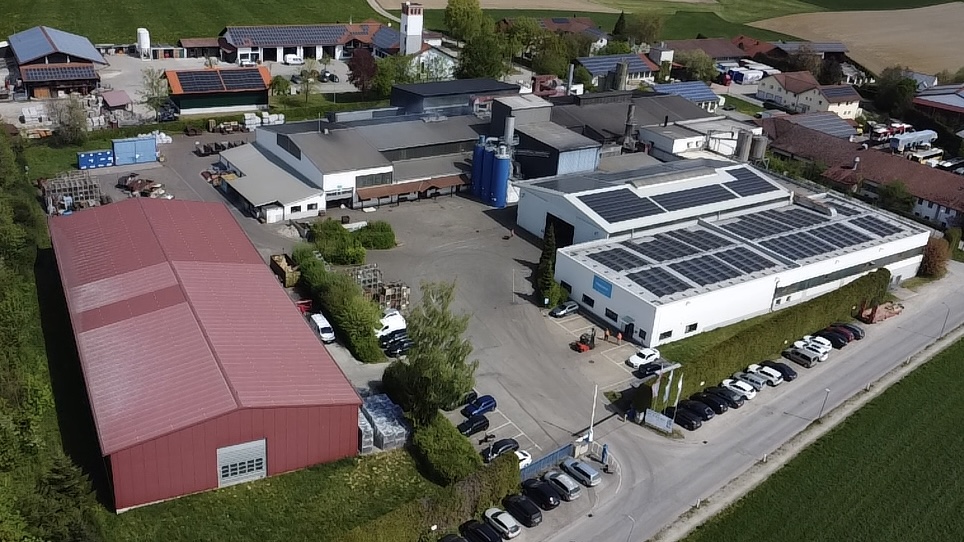
Roof-mounted PV system in Neumarkt St. Veit
289 kWp, PPA self-consumption → 98 % self-consumption, 5 % self-sufficiency
Challenges:
• High energy consumption, highly volatile electricity and gas prices
→ Desire for a permanently low electricity price
• A desire for predictable energy costs and a reduction in CO₂ emissions
→ certified green electricity generated on-site
• Further decarbonisation → e.g. electrification of auxiliary processes in production
Timeline:
November 2024: Contract signing
January 2025: Start of DC works
February 2025: Start of AC work
March 2025: Completion
April 2025: Commissioning
Christoph Aigner, Managing Director of Frischhut GmbH & Co. KG
Introduction & political context
Please give us a brief introduction to Frischhut: What does your company do, and what role do energy costs play in your production?
Frischhut is a leading manufacturer of high-quality cast fittings for the water supply sector in Germany. We are part of the pipework manufacturer TRM in Tyrol, Austria. Together, we help our customers to transport drinking water safely from the source to the home and, ultimately, to the consumer. For this public water supply, we supply products made from cast iron. Drinking water pipes are normally buried beneath roads and in public spaces. They are usually only visible when there is a construction site. The drinking fountain is therefore one of our most important products, as it is also visible in public spaces. We developed it in collaboration with Berliner Wasserbetriebe. Thanks to the cast iron, it is particularly robust and durable. Berlin and other cities purchase these fountains to make drinking water directly accessible and tangible for the public.
In our production process, we melt steel scrap in electric furnaces and use it to manufacture our castings. This melting process requires a great deal of energy, particularly at our foundry in Neumarkt-Sankt Veit. We are therefore part of the energy-intensive industry. Of course, we do not require as much energy as, for example, a chemical complex. Nevertheless, for a medium-sized company, our energy requirements are relatively high.
Years ago, we made a conscious decision to rely on electricity for our energy supply. Several years ago, we also switched to electricity from sustainable sources, because we believe it is the right thing to do and because it is part of our DNA as a medium-sized business.
What prompted you to take a closer look at your own energy supply? What specific challenges were you looking to overcome?
We use a relatively large amount of energy, and prices fluctuate significantly – currently due to the crisis in the Middle East, four years ago as a result of the war in Ukraine, and before that due to market shortages.
This affects us in two ways: a foundry is a low-margin business, and our customers rely on us to supply castings at predictable prices. We cannot simply announce halfway through the year that everything will cost 20 per cent more because electricity prices have risen. So we need planning certainty – and we can only achieve that if we generate some of our own energy.
That is why we have combined two approaches: a long-term supply contract for certified green electricity and our own generation on our rooftops. The systems on our premises were built by Energy Partners, our PPA partner, who also operates them. This is a cost-effective solution for us – we already invest heavily in our sites – and we’re working with someone for whom operating such systems is their core business. This allows our team to focus on our own core business.
In the long term, we want to become as self-sufficient as possible when it comes to energy supply.
Please briefly describe the solutions you have opted for (output, proportion of self-consumption) – why did you choose two rooftop PV systems with on-site PPAs?
We try to use as much of the electricity generated by the systems as possible ourselves. The key factor here is how much electricity we need and at what times the system generates electricity. It’s ideal when generation and consumption coincide. If there’s a time lag between them – for example, on a Sunday when we aren’t generating electricity but the system continues to produce it in fine weather – we cannot use this electricity ourselves. It is then fed into the grid and consumed by others.
We therefore want to keep the proportion of electricity we consume ourselves as high as possible – through our operating model and, in the long term, perhaps also through storage solutions.
To optimise energy consumption, we are, for example, currently investing in an electric furnace to replace a gas-fired one. This will enable us to use larger quantities of the electricity we generate ourselves directly. This is a win-win situation for us and naturally motivates us to electrify as many processes as possible and to connect further electrical consumers.
We are also currently running a project in collaboration with Siemens, as part of which we are reviewing the entire heat supply at the site. We are investigating whether we can make even greater use of the energy produced here on site and, in the long term, do without diesel, heating oil or other energy sources
Were there any initial concerns or uncertainties on the part of management or on your part personally regarding the solar panel system? How were these addressed?
Whether photovoltaics make sense in principle was never in question for us – the rapid expansion in Germany speaks for itself. And it is precisely during crises such as the war in Ukraine or, currently, in the Middle East, that one becomes acutely aware of the value of having control over part of one’s energy supply.
Our concerns lay elsewhere. We’re talking here about contracts with a planning horizon of around 20 years – anyone who’s going to be with us for that sort of timeframe has to be the right fit. That’s why we assessed several partners before making our decision, and we started small: by jointly implementing one plant to begin with. That project was a success, and we’ve been open to further ones ever since.
The second uncertainty was the technology. Control and storage solutions must be suitable for the operation, pay for themselves within a reasonable timeframe and be practicable. We are generally keen on technology and are happy to implement such solutions – if they are also economically viable, the decision is an easy one.
Experience & Added Value
Please briefly describe the process from the initial idea through to the commissioning of the plant (duration, complexity, challenges)
Looking back, the process for the rooftop systems was pleasingly streamlined: it took about half a year from the initial idea to signing the contract, after which installation could begin straight away. That’s the advantage of working with a partner whose core business is the development of such systems. I hope we can improve our casting – he’s clearly better at developing systems.
There are still some difficulties, though. We would have had further roof areas available, but the structural integrity of some of the buildings is insufficient. The key factor for us was that we were able to get clarity quickly and carry on with our work.
The open-space installation is a completely different story: I’ve been working on this for three years now – liaising with landowners, dealing with planning permission and installation procedures, and facing repeated delays. I’ve now been waiting for over two months for a response from the grid operator as to whether we’re allowed to feed electricity into the grid; the expected waiting time is six weeks.
So the difference lies not in the technology, but in the process. An experienced partner takes the complexity off our hands – but even they cannot shorten the time it takes to obtain a licence. And to be honest, a faster process would help me more than any funding scheme.
Which benefits do you notice most clearly today? To what extent has your ability to plan for energy costs improved?
The economic benefit that was our original aim has materialised: we generate a significant proportion of our energy ourselves, and – particularly for a small-to-medium-sized enterprise – this makes a measurable contribution to stable, predictable energy costs. We have achieved this objective.
Operations are also running smoothly – just last week, staff from our partner were on site carrying out maintenance work. We are currently planning expansions and are coordinating these with the local council and the network operator.
What concerns us are the curtailment measures. Our smaller system has a capacity of around 290 kilowatts – huge for a private household, but small for us. Its output falls entirely within our base load, so we could consume all the electricity ourselves. Nevertheless, it is being curtailed. The reason for this is that the grid operator does not curtail the feed-in point, but instead switches off the inverters directly as soon as there is too much electricity in the grid. This also rules out self-consumption.
What’s more, we have to source the shortfall from the grid at significantly higher costs. Experience shows that during the summer months, this can affect around a third of production days and costs a considerable amount of money.
So there are technical and organisational issues that we need to work on.
We’re also looking at how we can install more generation capacity. We’ve already implemented all the straightforward measures. Next, we want to install a three-megawatt ground-mounted solar farm with storage and smart control systems. In short: more of what’s already working.
Recommendations – Why should other companies take this step too?
Looking back: What was the most important lesson learnt from the project as a whole?
It’s certainly been worth it for us. As I said, we can generate our own electricity relatively cheaply and are a bit less dependent on the grid and on market prices.
For us, this means that generating our own electricity is definitely a good and reliable source of sustainable, green electricity. I would also recommend this approach to other companies.
In my view, installing an initial system on a company’s own roof or façade is a very good approach and a sensible first step. This can be achieved with relatively little risk and enables a company to gain some initial experience in this area.
Another key factor for us was that we already have numerous tasks and projects within our core business. That’s why it was a good move to work with a PPA partner to handle the implementation. We can continue to monitor the project and, through the monitoring system, have insight into the plant’s performance and electricity generation at all times. We would take this approach again in a heartbeat.
Would you say that, by working with an experienced partner, you were able to outsource some of the work and trust that it would be carried out reliably?
Absolutely. The partner has taken on the areas for which we do not have our own specialists: structural engineering, planning applications, approval procedures, environmental issues – and a large part of the liaison with neighbours, authorities and the local council.
We have retained responsibility for matters directly relating to our systems: grid connection and electrical operations. To this end, we have our own electrical engineers who have provided technical support for the project. We liaised regularly with the project manager, and thanks to the monitoring system we can see the system’s performance at any time – so we didn’t hand anything over, but simply allocated tasks.
It was precisely this division of labour that meant the workload remained manageable for us. Implementing the whole thing ourselves would have tied up our staff to a completely different extent.
To what extent does the use of renewable energy give Frischhut a competitive advantage?
Our customers are predominantly public sector clients – water authorities and local authorities. For them, it is a selling point when products are manufactured in Germany using sustainably generated energy; they want to demonstrate to their local communities that they are committed to sustainability. We therefore deliberately highlight this as an added value.
The key factor is the direction we are taking: several working groups are currently working to integrate sustainability criteria more closely into public tenders. We are monitoring this development and welcome it – because anyone who can already demonstrate their own production today is well prepared for it. We pass on the same expectations to our suppliers.
Then there is the cost aspect: even our finance department clearly recognises the benefits, as the kilowatt-hour we generate ourselves is significantly cheaper than electricity from the grid, which also incurs grid charges. Sustainability and cost-effectiveness therefore go hand in hand here.
Finally: politics
In your view, what steps should policymakers take to ensure that photovoltaics, combined with PPAs and energy storage, become the standard model for energy-intensive businesses in future?
In my view, what is needed is not yet another funding scheme, but faster procedures. A great many departments are involved in such projects, and a problem in just one of them is enough to bring the whole process to a standstill. Simplifying, speeding up and ensuring that approval procedures are dealt with in a binding manner would be the most effective way to support businesses in Germany.
With rooftop installations, this was still manageable. With ground-mounted installations and storage projects, however, it is a real obstacle: in the US, gas-fired power stations with a capacity of several hundred megawatts are being built in a matter of months, whilst here, even after three years, we still do not know whether we are even allowed to build a solar PV installation.
The second point concerns grid operators. It is technically understandable that systems are curtailed to stabilise the grid. However, if – as is the case with our rooftop system – this also means we can no longer use the electricity ourselves and are then forced to buy it back from the grid at a higher price, existing generation capacity is needlessly devalued. What is needed here is closer dialogue between grid operators and project developers – we would also be prepared to operate storage systems in a way that benefits the grid.
Every month we save in the implementation process is valuable. Energy is a crucial factor in overall economic development. That is why these procedures should be made significantly simpler and faster.
Why are predictable energy prices important for Frischhut?

Melting processes with high energy requirements
Frischhut produces high-quality Cast fittings for the public water supply ... The base material of the products is Cast iron. In production, the first step is to Scrap steel melted down in electric furnaces. The molten metal is then poured into prepared moulds and processed into durable, robust fittings.
The manufacturing process comprises several energy-intensive stages – in particular, the melting and casting of the material. This applies above all to the foundry in Neumarkt-Sankt Veit, where large quantities of energy are required. As an energy-intensive small-to-medium-sized enterprise, Frischhut has therefore been relying on Electricity as an energy source and refers to this from sustainable sources.
The finished cast fittings are used, amongst other things, for Drinking water pipes which run underground in streets and public spaces. However, there is also a visible product: Together with the Berlin Water Utilities a Drinking fountain which has been developed to demonstrate the quality and durability of cast iron in Berlin and other cities.
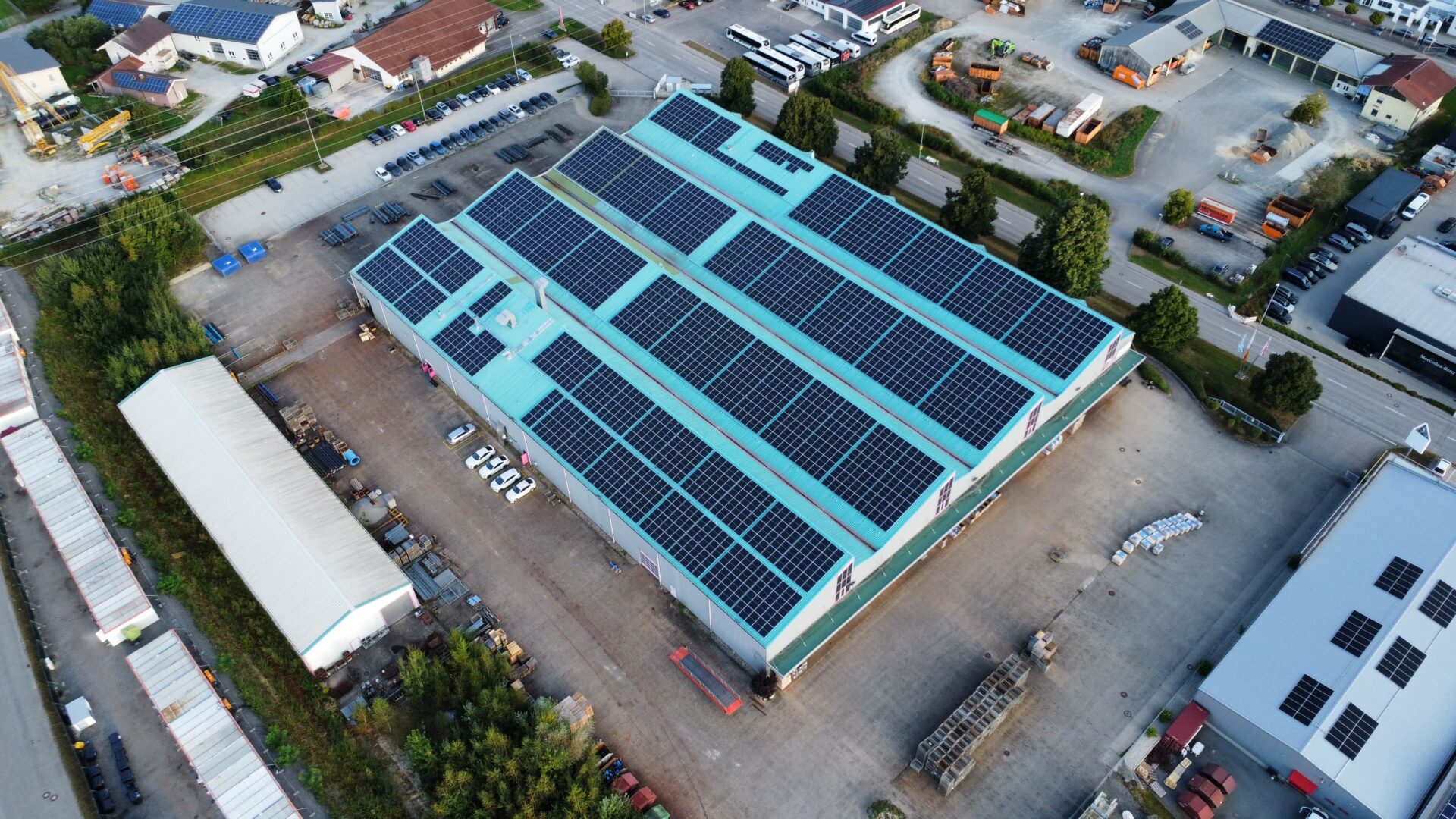
CR: Frischhut GmbH & Co. KG 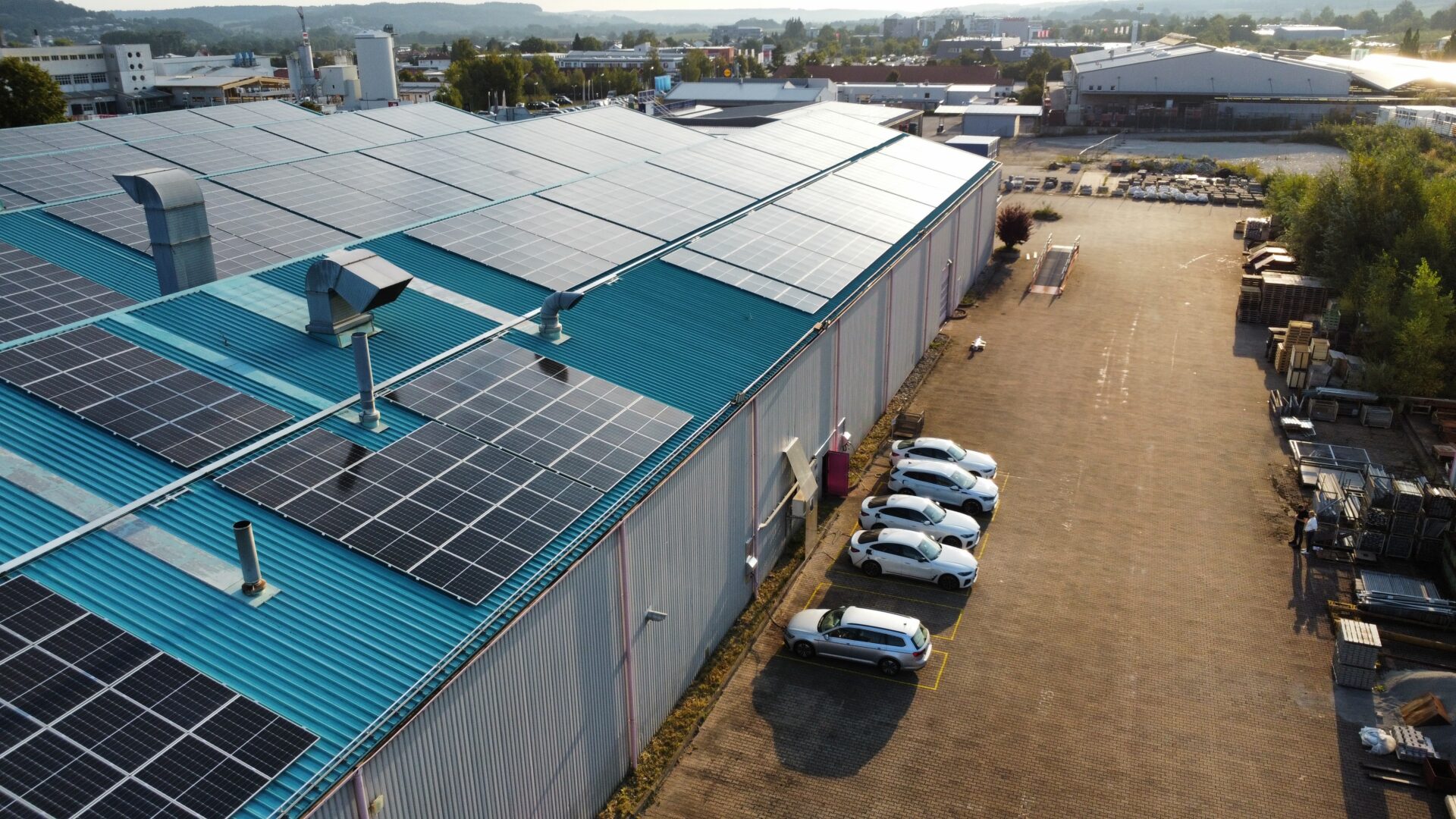
CR: Frischhut GmbH & Co. KG CR: Frischhut GmbH & Co. KG CR: Frischhut GmbH & Co. KG 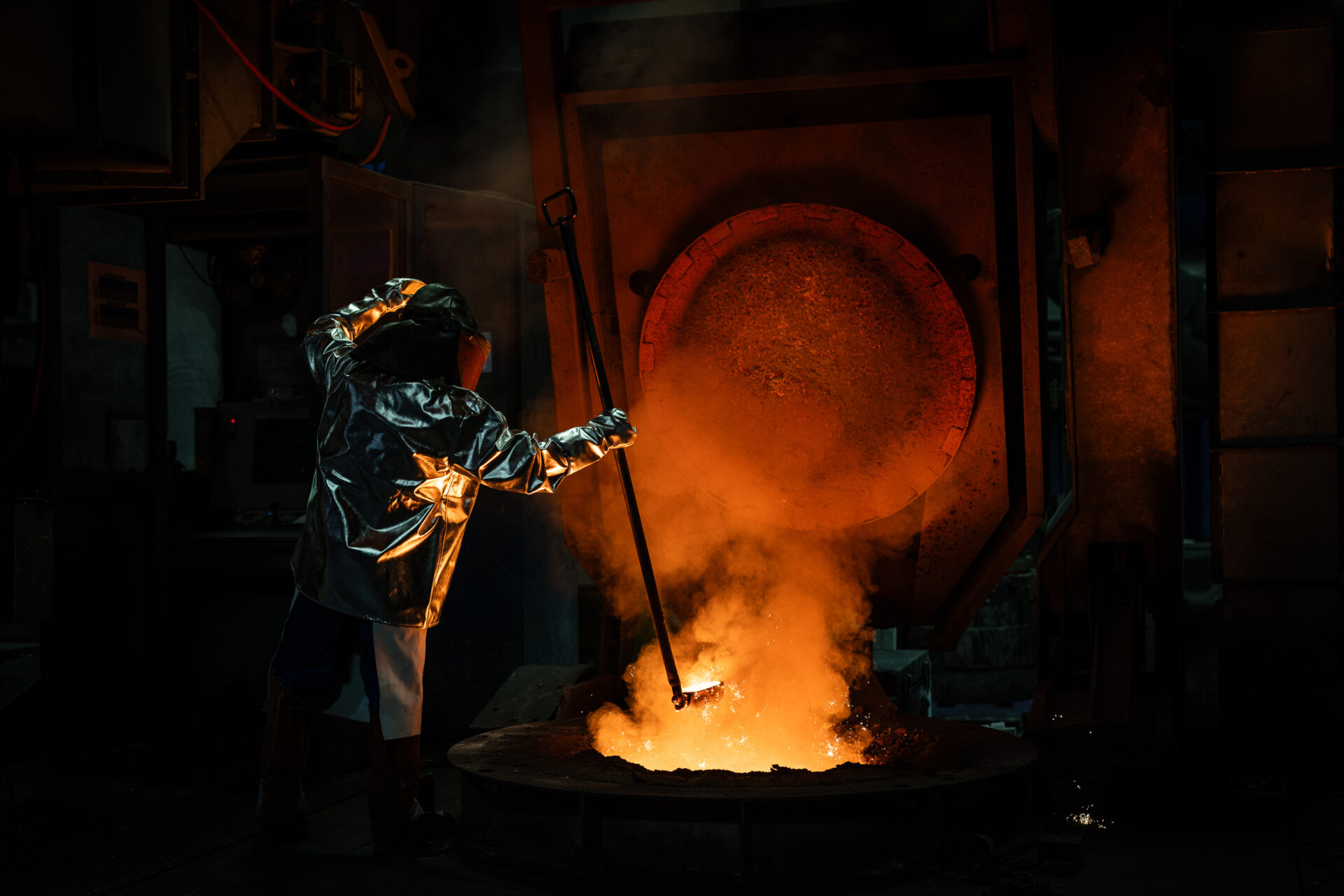
CR: Frischhut GmbH & Co. KG

 English (UK)
  Deutsch