
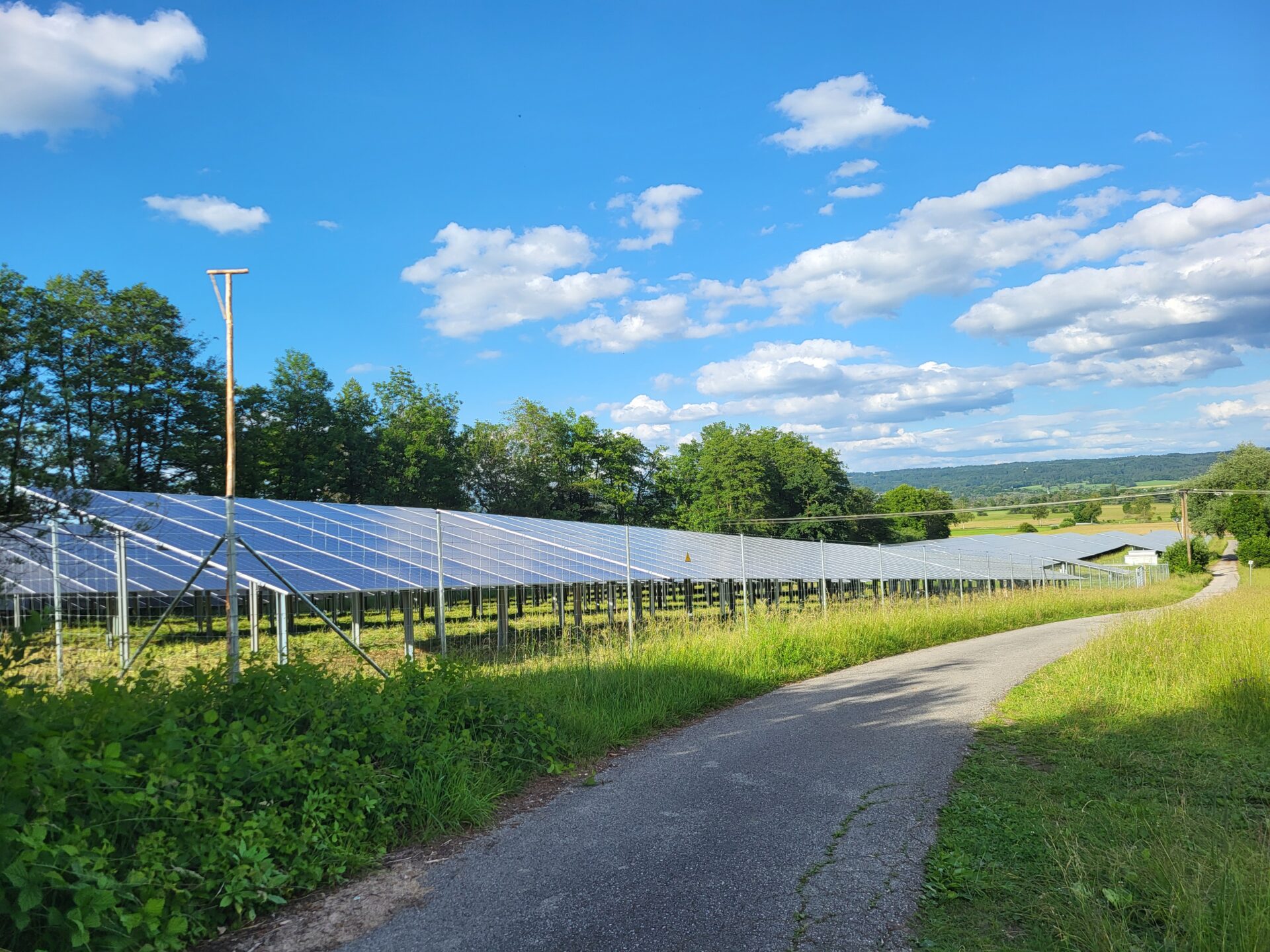
Vogelherd Solar Park
A strong partnership with the municipality of Dießen am Ammersee
Power station
2 MW
2.9 ha
Agri-PV system with a tracker
Municipality of Dießen am Ammersee
Shaping the energy transition together at a local level
A prime example of effective communication, fair participation and partnership on an equal footing
The municipality of Dießen am Ammersee, situated in beautiful Upper Bavaria, has had a new flagship project in the field of renewable energy since the summer of 2025: the Vogelherd Solar Park, in which the municipality holds a direct stake via the operating company. From the initial idea right through to the opening of the solar park, the process was characterised by exemplary communication and collaborative partnership.
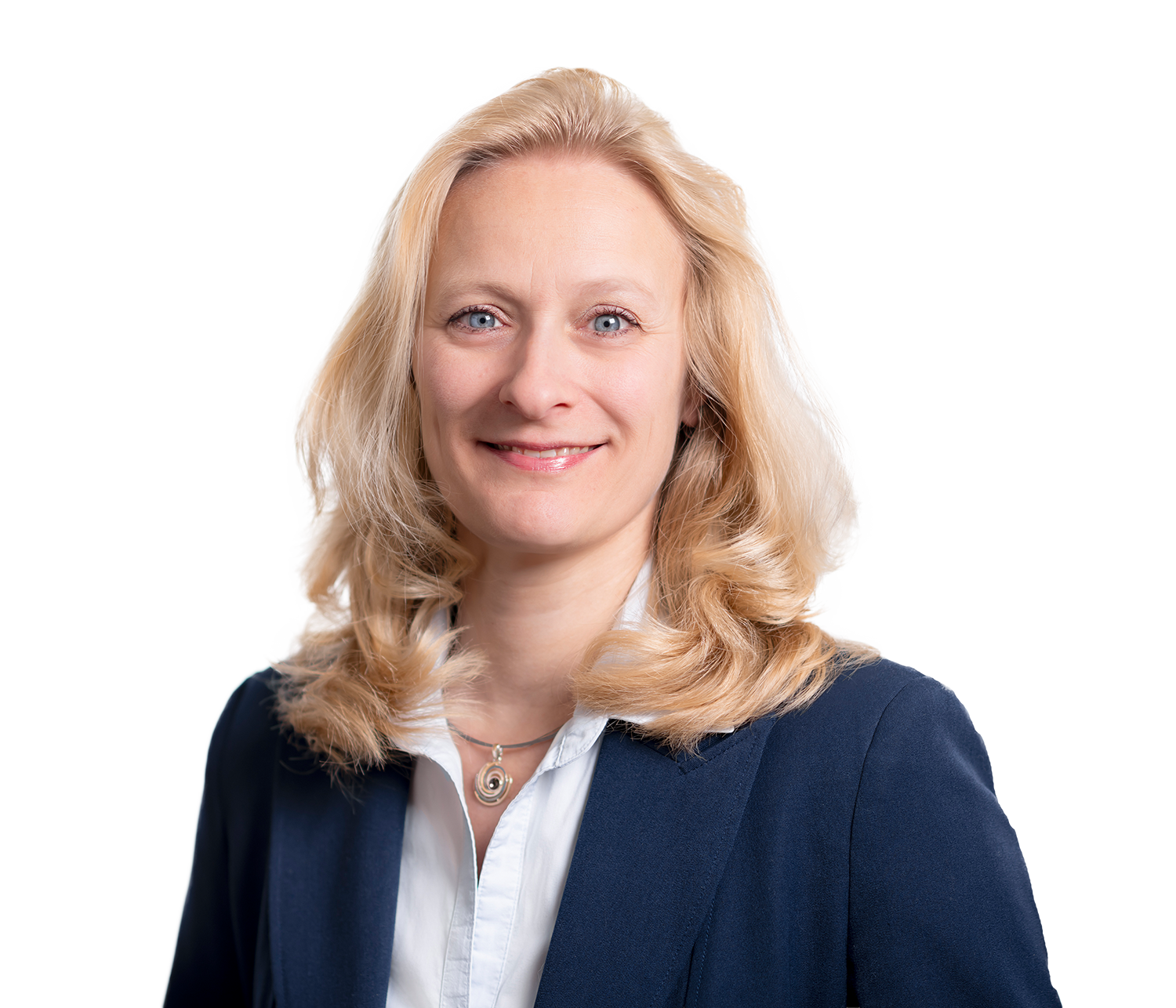
Sandra Perzul
Mayor of the market town of Dießen on Lake AmmerseeI’d had little previous experience with renewable energy. I lacked knowledge and had to familiarise myself with the subject first. However, I had good „mentors“ who patiently answered my questions. This was all new territory for me, as it was for the local authority as a whole. It does cost a lot of money, so right from the start you find yourself wondering, „What if it doesn’t work?“ But I’m proud that it’s turned out so well. That’s also thanks to the excellent operating company.
Sandra Perzul, Mayor of the market town of Dießen, and Dr Wolfgang Weisensee, limited partner in the operating company
What are the key factors for the successful implementation of local solar farm projects, and how can we ensure that everyone is pulling in the same direction?
We put these and other questions to the mayor of Dießen, Ms Sandra Perzul, and to Wolfgang Weisensee, a limited partner in the operating company, in an interview.
We would like to thank Ms Perzul and Dr Weisensee for the interesting conversation!
Introduction & political context
As mayor, what was the main reason that led you to actively support and facilitate these two solar projects?
Sandra Perzul
The first project was for the municipality of Neuland. At the same time, it represented an important step in the fields of renewable energy, climate change and carbon neutrality, enabling the municipality to take a pioneering role whilst also demonstrating that local authorities should follow this path.The second project was carried out on the strength of the positive experience gained from the first project and the team behind it. However, it would not have been possible without this team. It is likely that there would not have been a second project without them either.
Dr Wolfgang Weisensee
Engaging with the public is also valuable. You don’t seek confrontation with them. You sit down with the farmer at the kitchen table, then meet him out in the fields to clarify what works for him and what doesn’t. It’s important to approach stakeholders proactively. You leave the decision to the public and do not put any pressure on them. You focus on dialogue and providing information. You need to know who you’re dealing with and take them seriously.What information resources did you make use of beforehand, Ms Perzul? For example, from the regional energy agencies? Was there a model local authority?
Sandra Perzul
The news about the legislative change concerning solar PV installations along railway lines gave rise to the idea of developing a municipal plot of land that met this requirement.How were the local residents involved? Were there information sessions or participatory processes? Were they able to get involved and have a say in decisions?
Sandra Perzul
Citizens were able to attend the local council meetings, as these were always open to the public. The press were also present and reported on the project in newspaper articles. The entire process was designed to be transparent. Citizens were also involved during the public consultation and amendments to the local development plan, and had the opportunity to raise their objections.Was there any scepticism initially within the local council or amongst the public – and how did you deal with it?
Sandra Perzul
The strongest criticism initially came from the local branch of the Bund Naturschutz. They took the view that the council should first make use of its existing properties and already sealed areas, such as car parks or rooftops, before sealing off further open spaces – a position that is understandable. However, our car parks would not have been able to cover anywhere near the scale and area required, as our project site can.Dr Wolfgang Weisensee
We addressed this criticism with a practical example: 18 years ago, we converted an ammunition depot and invited the Bund Naturschutz to come and have a look. They took us up on our offer. We arranged an on-site visit during which they were able to see for themselves how biodiversity ultimately develops at a site of this kind. After the visit, they were convinced.Sandra Perzul
Following the event, one or two residents expressed a wish that they too would have liked to take part, along with a request that the local authority allow for greater public participation in future projects of this kind. This shows that there is interest amongst residents in getting involved in further projects themselves in the future.How did you find the right sites for the two solar parks?
Sandra Perzul
The local authority owned two plots of land that were suitable for the first solar park project. Discussions were then held with the neighbouring landowners to find out whether they would be willing to participate in the construction of a solar farm. That was how it all began.Dr Wolfgang Weisensee
Another factor was that there is a power station here in Dießen with its own grid. This was particularly exciting for us because we had the idea of supplying council-owned properties via a community electricity tariff, which would ultimately be fed by the electricity generated there. This would have provided the council with an additional financial benefit. At present, however, we are still coming up against regulatory barriers when it comes to ensuring that locally generated electricity directly benefits local residents. The grid operator, however, was not interested in whether we had our own generation capacity or not. We are currently trying to clarify this, but we are still struggling to do so.Municipal participation
The local authority is taking a stake in the project company – why did you opt for this model of direct involvement?
Sandra Perzul
We said we would invest up to 24.9%. We’re contributing our plot of land. For the first project, that was the right way to say, „This is how we want to get involved“.Dr Wolfgang Weisensee
However, we had already obtained the go-ahead from the legal department to ensure that all this was permissible. The costs of maintaining citizen participation models are high. Business rates and revenue are intended to remain within the local authority, which is why a manageable number of limited partners is required.What specific benefits does the role of limited partner in the project company bring to the local authority?
Sandra Perzul
The specialist expertise of the professionals within the project company brings enormous added value. For us as a local authority, it is a great advantage that we do not have to bear the responsibility alone, as this would tie up considerable human and financial resources. We simply could not afford that in the current situation.Are there already plans for how the revenue will be used within the local authority?
Sandra Perzul
There are no concrete plans as yet. However, the revenue is to be reinvested, for example, in further projects in the field of renewable energy, such as rooftop solar panels on schools or other council-owned buildings.What advice would you give to other local authorities that are considering getting involved but are wary of the risks?
Sandra Perzul
Local authorities interested in the project are welcome to contact the operating company or the municipality of Dießen to find out how the project was implemented and what lessons were learnt in the process.Dr Wolfgang Weisensee
And you should read contracts carefully. It is important to check who is involved and how the figures are broken down. You need to take a very critical approach to this. The figures should always be checked by people who are not involved in the project, and you should then weigh up whether the project makes sense or not. Furthermore, liability should be capped at a maximum amount.How did you find the right sites for the two solar parks?
Sandra Perzul
The local authority owned two plots of land that were suitable for the first solar park project. Discussions were then held with the neighbouring landowners to find out whether they would be willing to participate in the construction of a solar farm. That was how it all began.Dr Wolfgang Weisensee
Another factor was that there is a power station here in Dießen with its own grid. This was particularly exciting for us because we had the idea of supplying council-owned properties via a community electricity tariff, which would ultimately be fed by the electricity generated there. This would have provided the council with an additional financial benefit. At present, however, we are still coming up against regulatory barriers when it comes to ensuring that locally generated electricity directly benefits local residents. The grid operator, however, was not interested in whether we had our own generation capacity or not. We are currently trying to clarify this, but we are still struggling to do so.Local impact & acceptance
Has public perception of the project changed over time?
Sandra Perzul
The initial scepticism quickly subsided. A press release was issued on site regarding the commissioning and grid connection of the plant. Since then, however, there have been no further significant reactions or discussions.Dr Wolfgang Weisensee
The regional press is extremely important and should be kept closely involved throughout the entire course of the project. I also welcomed critical questions. It’s better to have critical questions asked than to have something incorrect appear in the newspaper later on.The Vogelherd solar park is to be grazed by young cattle, whilst the second site will be built as an agri-PV facility. To what extent was it important to you to involve the regional farming community? Is this also a factor that helps to foster public acceptance?
Sandra Perzul
Yes, this aspect is very important. The farmers have a large network here. If the land had been taken away from the farmer, word would have spread like wildfire through the village and local acceptance would have been severely undermined. And so it’s actually quite positive, as we’re not taking the land away from the farmers but involving them in the process. Consensus is very important for our public image and acceptance.Dr Wolfgang Weisensee
The suggestion to use the land for grazing came from the farmer himself. I found that fascinating. We then raised the modules. It’s also enjoyable to consider the farmer’s suggestions, as it meant we were able to find solutions together.Scaling & the Future
Can you envisage implementing further renewable energy projects in the local authority?
Sandra Perzul
At present, no third project is in the planning stage. Instead, the municipality’s own properties are currently being fitted with rooftop solar panels. Wind energy will also play a role in the future. Furthermore, the municipality, together with other local authorities around Lake Ammersee, has been included in a funding project run by the Bavarian Ministry of Economic Affairs to investigate whether lake thermal energy is feasible in the municipality. Ultimately, however, implementation always depends on the available land and financial resources. The issue of renewable energy will not come to an end, however; it will inevitably have to be taken forward further.Do you see this model as a blueprint for other local authorities in Germany?
Dr Wolfgang Weisensee
The model can serve as a blueprint for how to interact with one another and how citizens can be involved and engaged at an early stage in such projects.I must put this into perspective, however: the BMWE is currently causing uncertainty regarding the situation with the decommissioning of solar parks and the impact this will have on their economic viability.
Otherwise, I would say to local authorities planning such projects: please start by tackling the planning for such facilities, ensure you have a project ready for approval, but be extremely cautious when it comes to financial viability or the economic outlook. At this stage, I would be rather cautious about investing without a direct off-take arrangement.
In your view, which political or regulatory frameworks would need to be improved to encourage more local authorities to take this approach?
Dr Wolfgang Weisensee
It can be difficult to get in touch with some contacts within the authorities, whether as a local authority, a project developer or an operator. In some cases, there is also a certain lack of interest on the part of the authorities. This can be extremely burdensome for local authorities at times. Reducing bureaucracy must therefore be put into practice and not just remain on paper.Sandra Perzul
There are a great many expert reports and reporting requirements. Having to submit new documents time and time again costs time and money each time.A personal perspective
What was the biggest challenge for you personally on this project?
Sandra Perzul
I’d had little previous experience with renewable energy. I lacked knowledge and had to familiarise myself with the subject first. However, I had good „mentors“ who patiently answered my questions. This was all new territory for me, as it was for the local authority as a whole. It does cost a lot of money, so right from the start you find yourself wondering, „What if it doesn’t work?“ But I’m proud that it’s turned out so well. That’s also thanks to the excellent operating company.Looking back at the project today, what are you most proud of?
Sandra Perzul
I am proud that the project has been carried out, and particularly that the local council has been on board with this, as it would not have been possible without them. I am also delighted that everyone has pulled together.In your view, what made the collaboration with Energiewerk so special?
Sandra Perzul
In my view, the collaboration went very well. It was particularly positive that potential stumbling blocks were identified at an early stage and dealt with appropriately. Problems were not simply ignored, but tackled and resolved together. As a result, a good relationship of trust developed over the course of the first project. It was precisely because the collaboration on the first project went so well and the experience was very positive overall that we subsequently decided to carry out the second project together.
The regional agricultural sector is actively involved in shaping the project
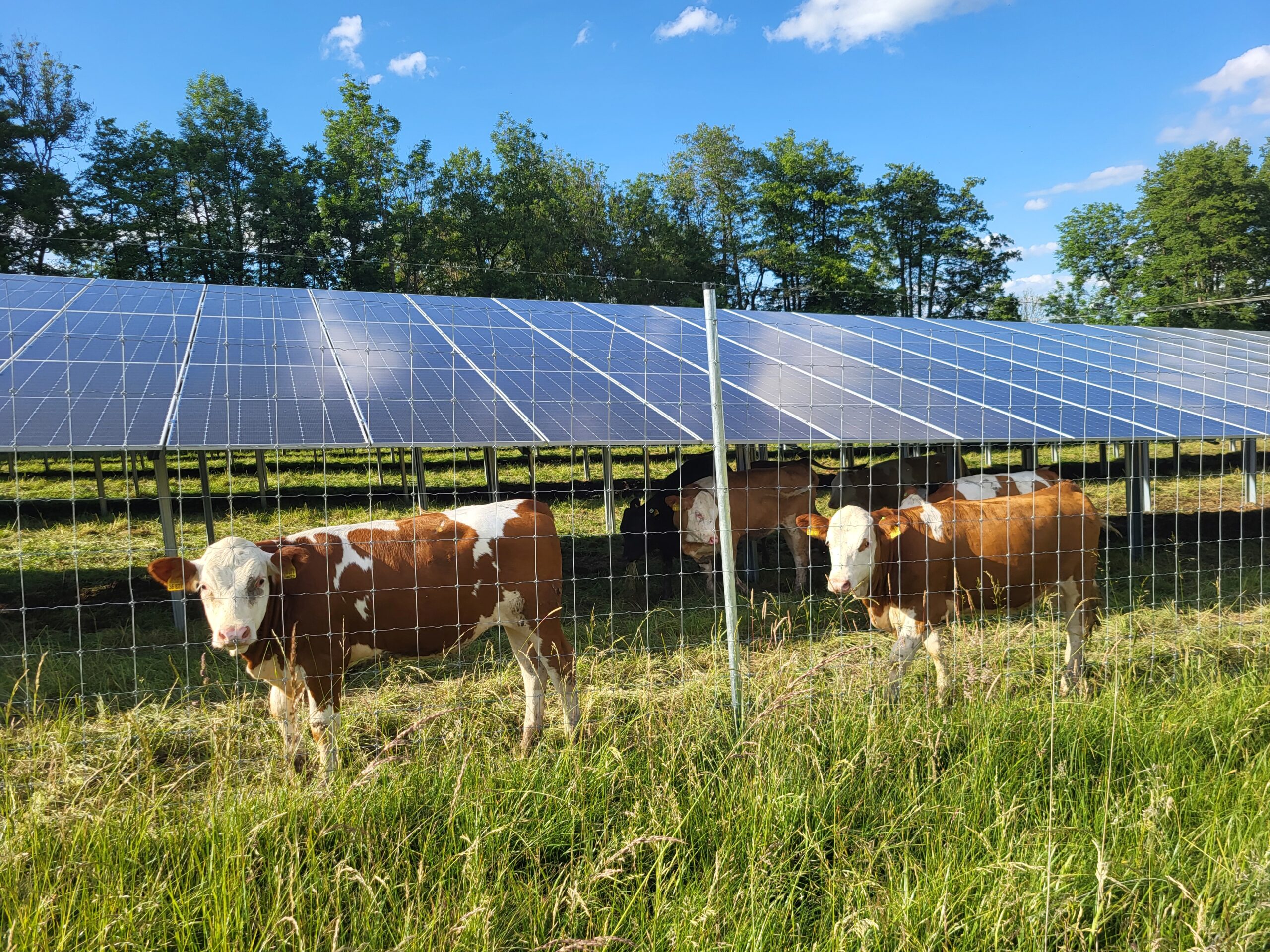
Since June 2026, young cattle from a regional organic farm have been grazing on the solar park site
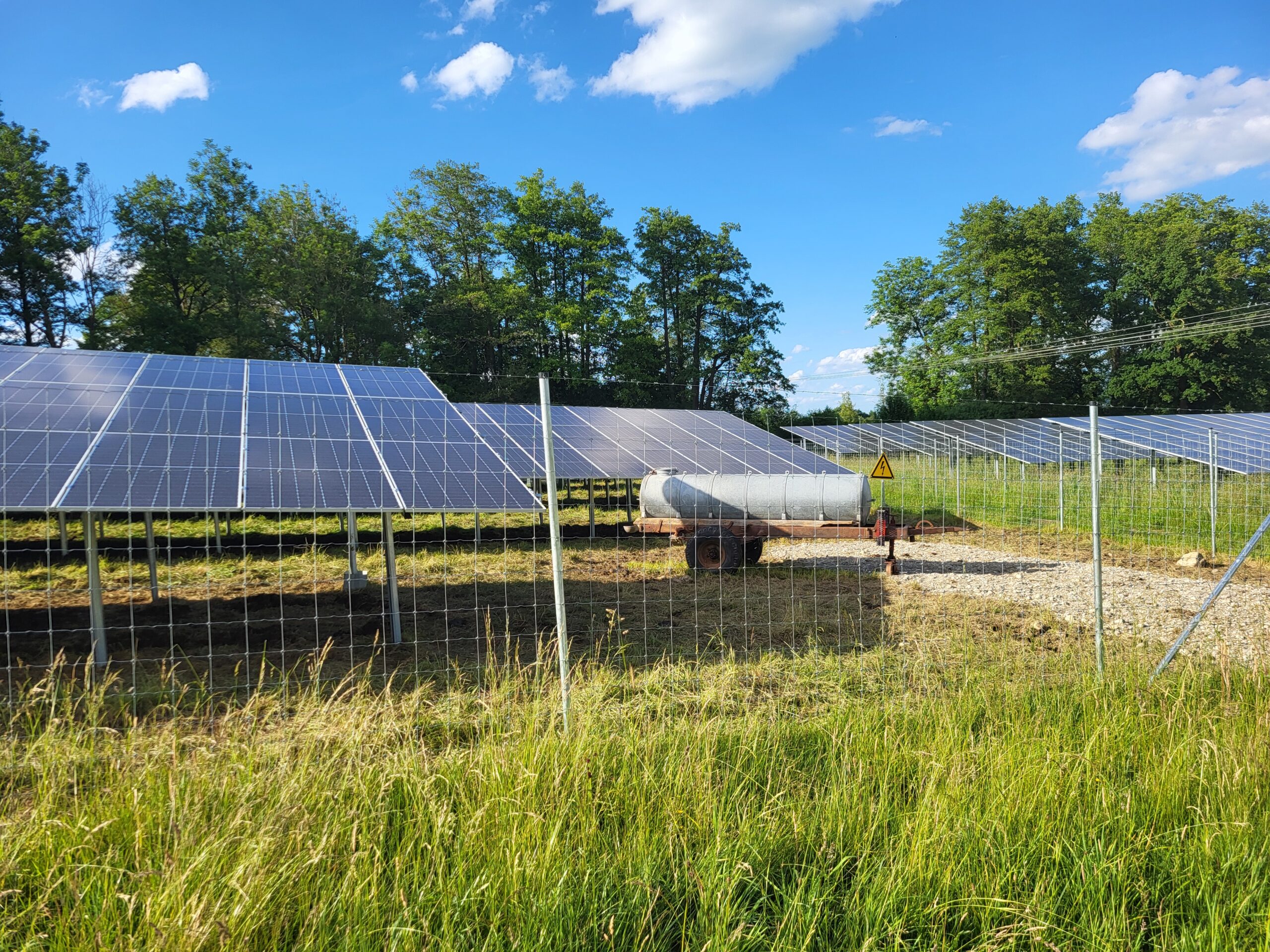
It is not only the local community that benefits from its involvement in the Vogelherd solar park. The agricultural sector is also involved in the project: during the planning phase, it was decided to build the solar park as an agri-PV installation, so that livestock such as sheep and cattle can graze under and between the panels.
The young cattle took to the new grazing arrangements straight away and will certainly appreciate the shady spots under the modules during the hot summer months.
© Energiewerk 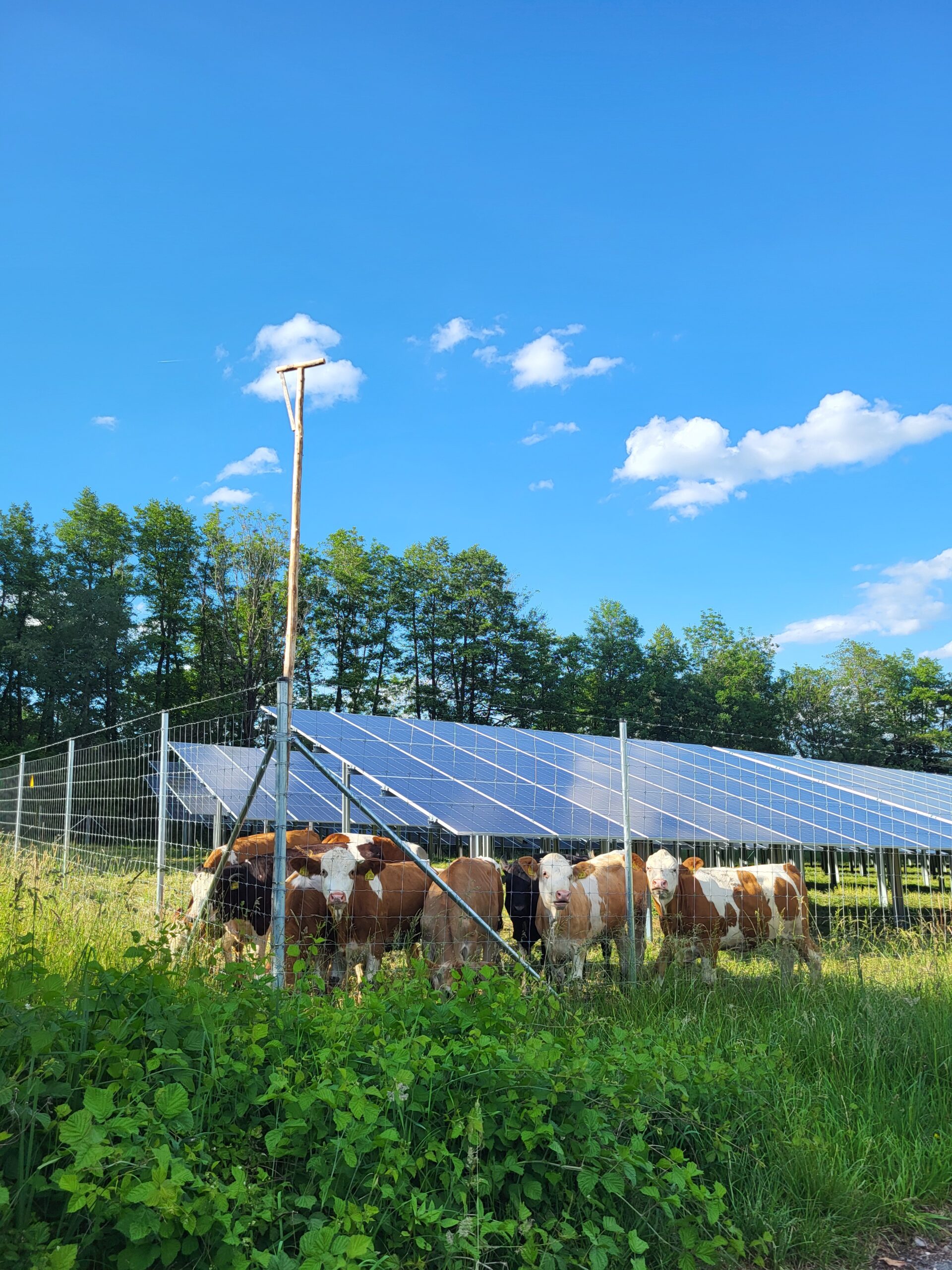
© Energiewerk © Energiewerk 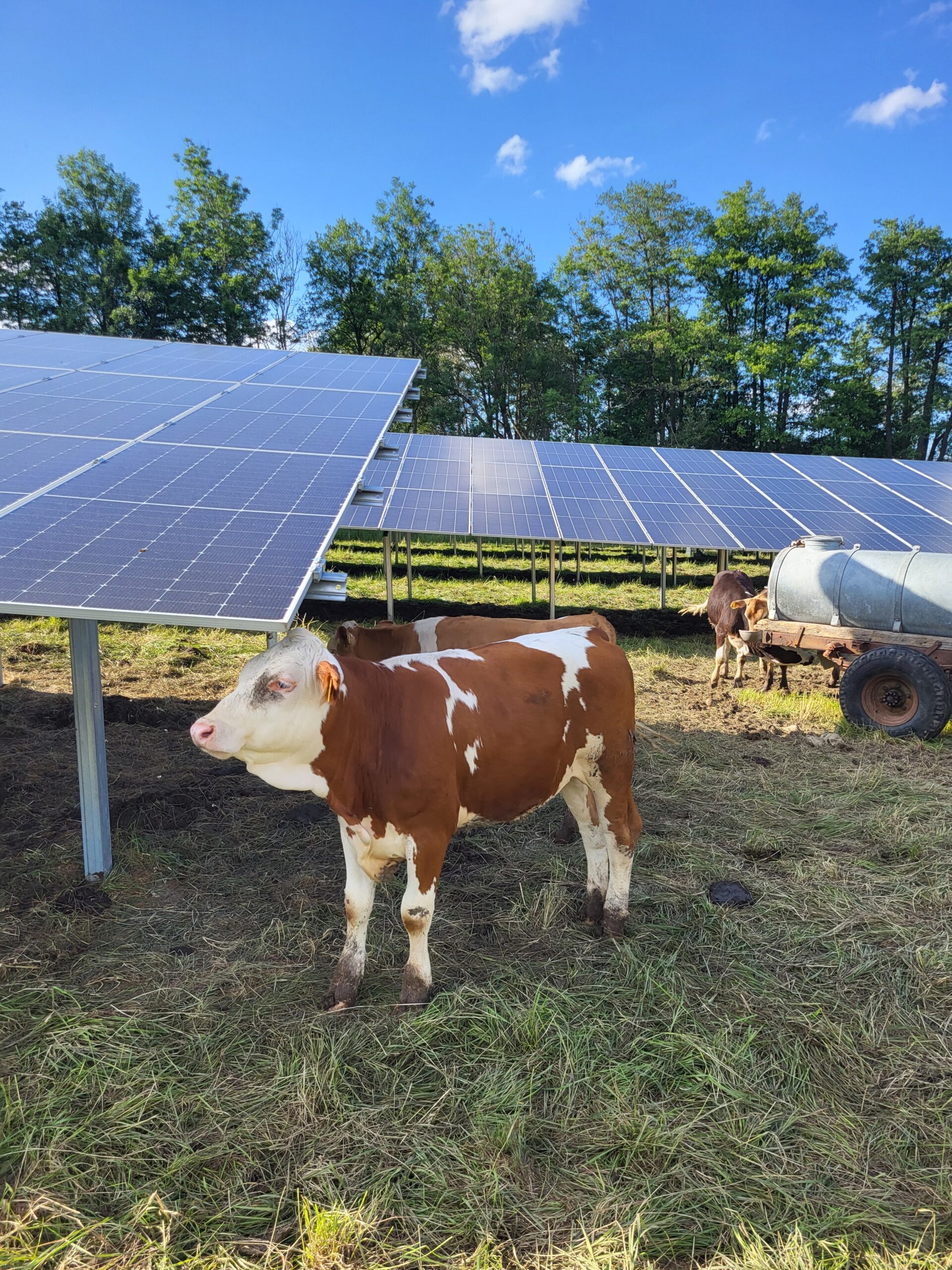
© Energiewerk 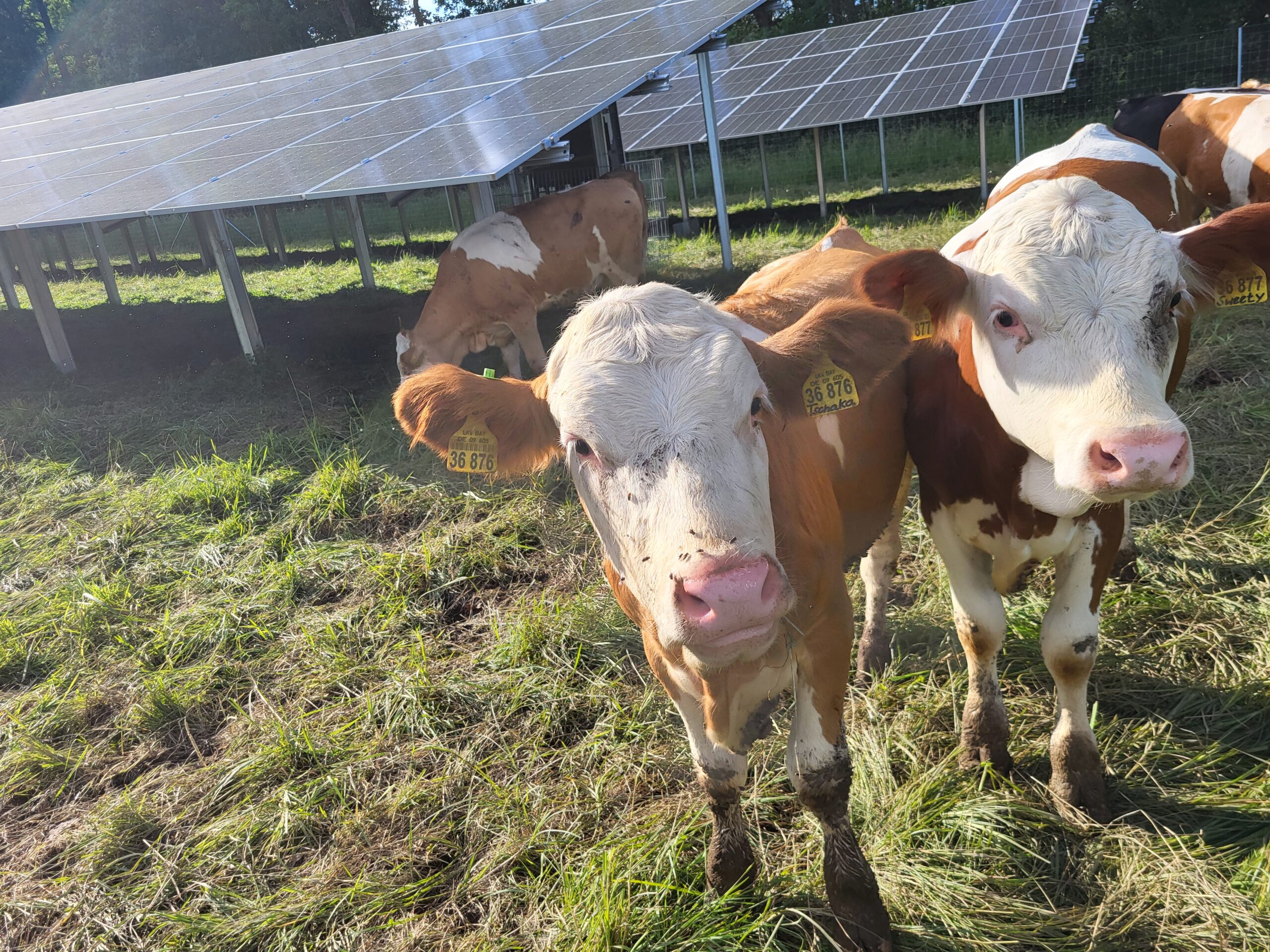
© Energiewerk 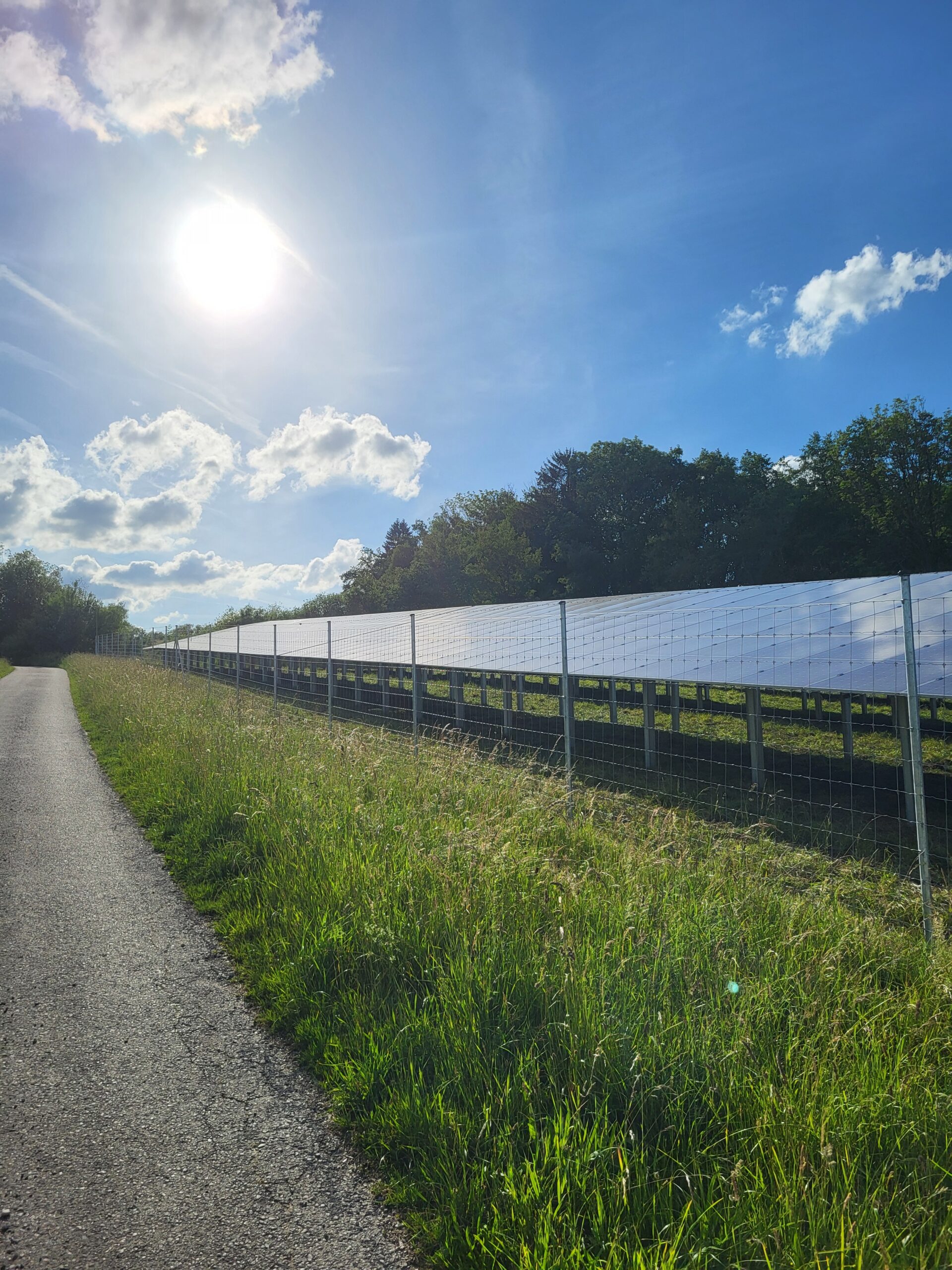
© Energiewerk
 English (UK)
  Deutsch