
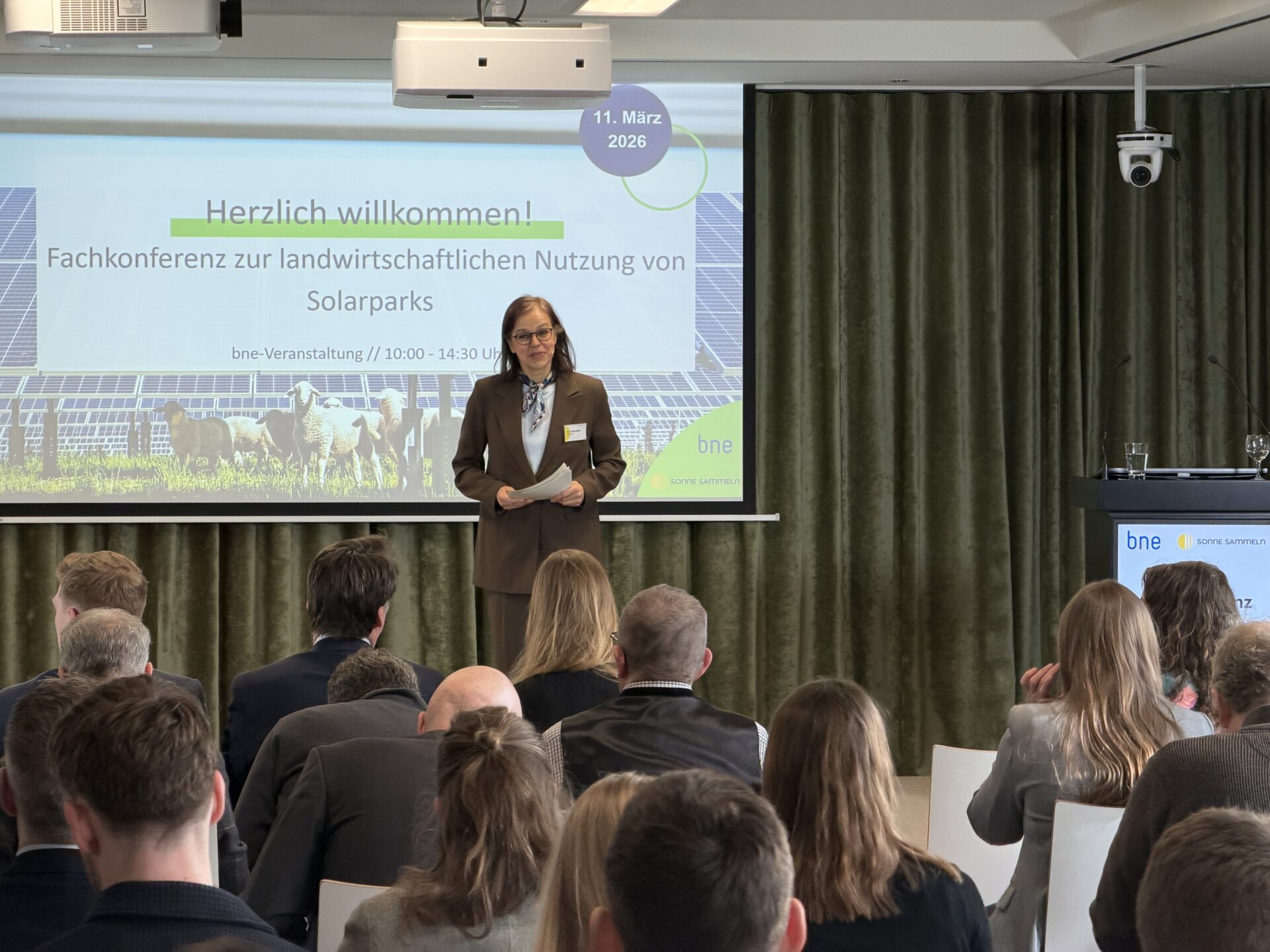
How can solar parks not only supply electricity, but also create real added value for agriculture and ecosystems? Our hybrid event was dedicated to precisely this question on 11 March 2026 in the Quadriga Campus in Berlinwhere we worked together with Researchers, practitioners and political representatives discussed current findings and perspectives. In keeping with the event, the new Research report which summarises key findings and shows how energy production, agricultural use and biodiversity can work together in the best possible way.
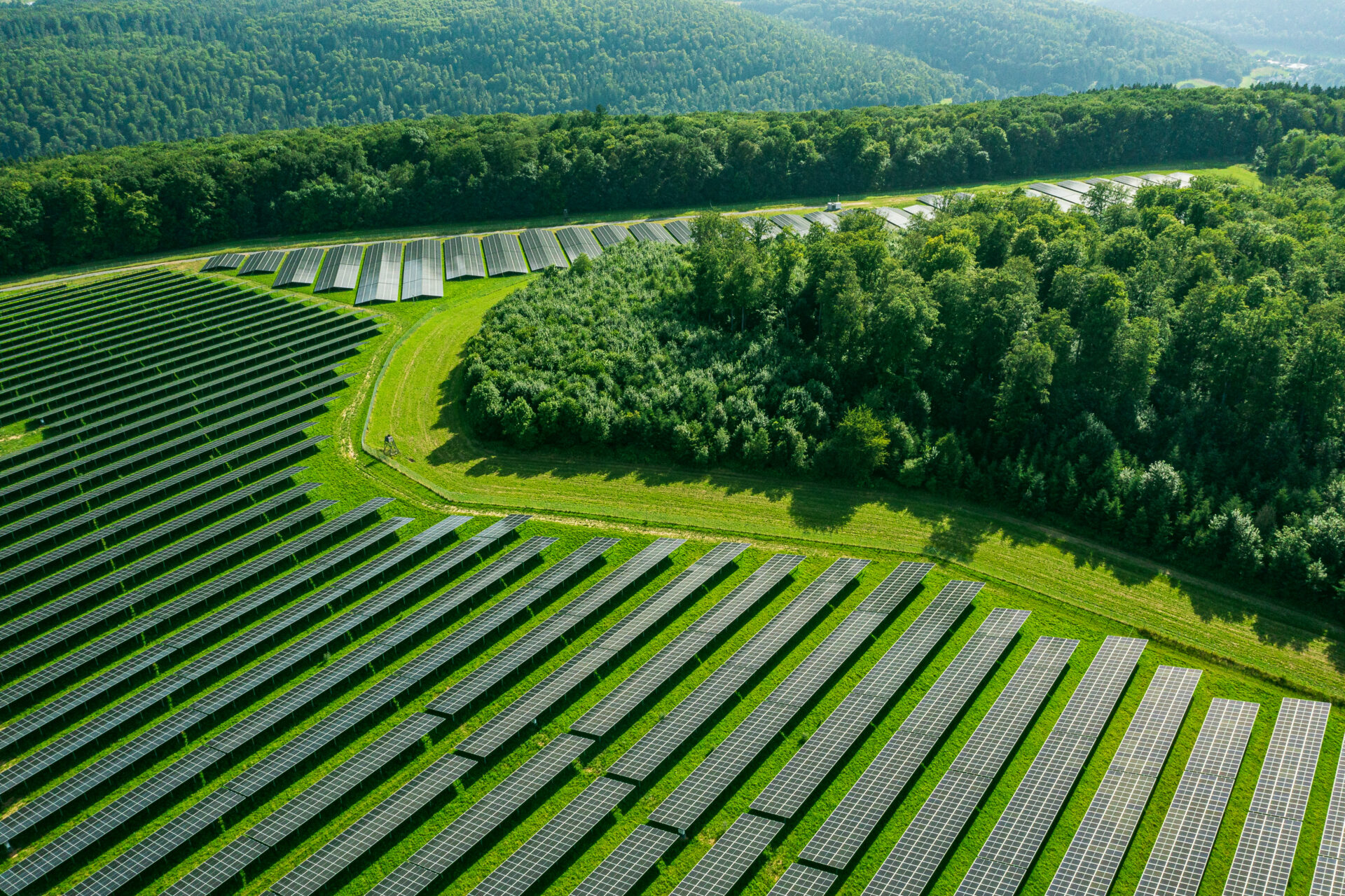
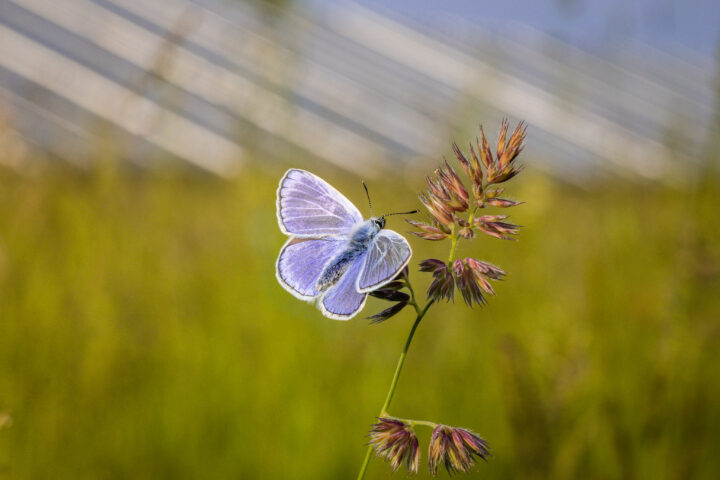
At the centre was the Research project "Agricultural value of solar parks"led by Dr Dina Hamidi (University of Göttingen) and Dr Christoph Hütt (University of Cologne). The results presented clearly show that solar parks can be much more than just energy infrastructure. Properly designed, they offer Potential for biodiversity, soil quality and agricultural use.
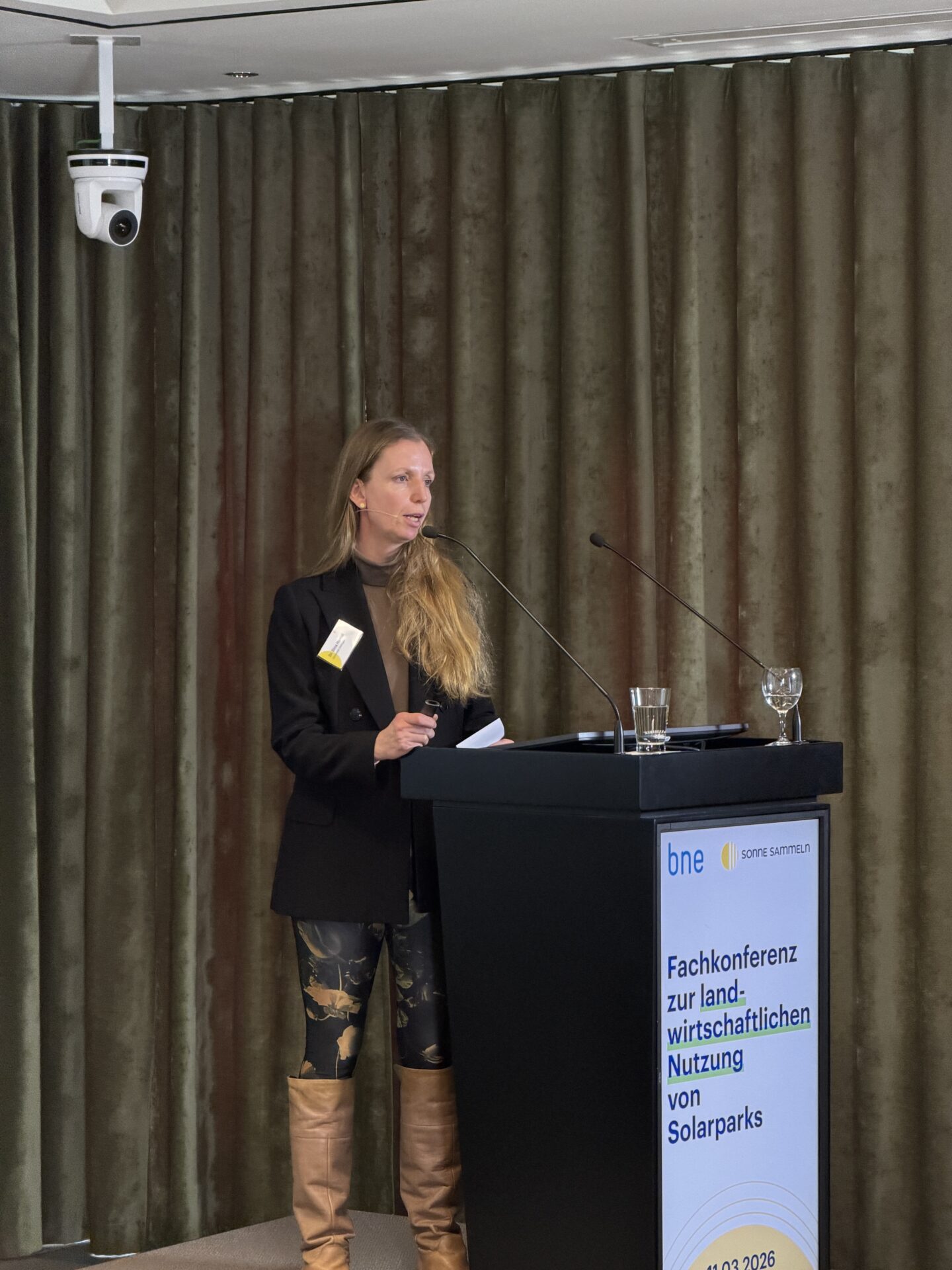
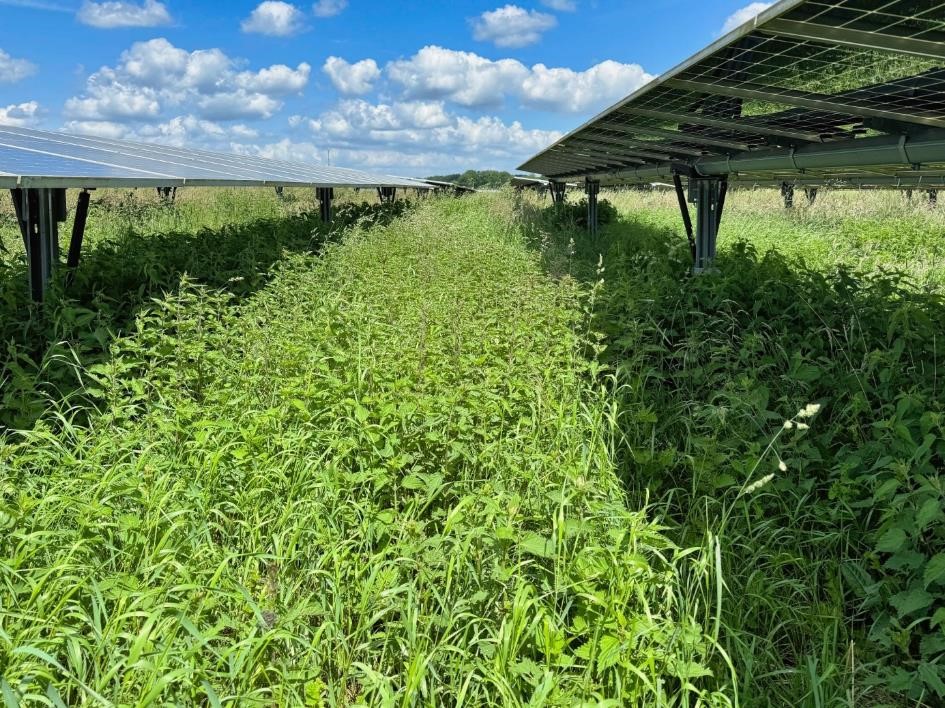
As early as the presentation of the research results, it became clear that extensively farmed Areas under photovoltaic systems ecologically upgraded can be realised. At the same time, new perspectives are opening up for a productive Dual utilisation of agricultural land - an approach that is becoming increasingly important in view of growing land-use conflicts.
The High number of participants with 80 people on site and 335 participants in the livestream as well as the lively participation of the audience in the discussions made it clear how multi-layered the topic of the agricultural utilisation of solar parks. Different perspectives from agriculture, nature conservation, the energy industry and politics highlighted both great potential and existing challenges.
Discussion with practitioners, politicians and nature conservationists
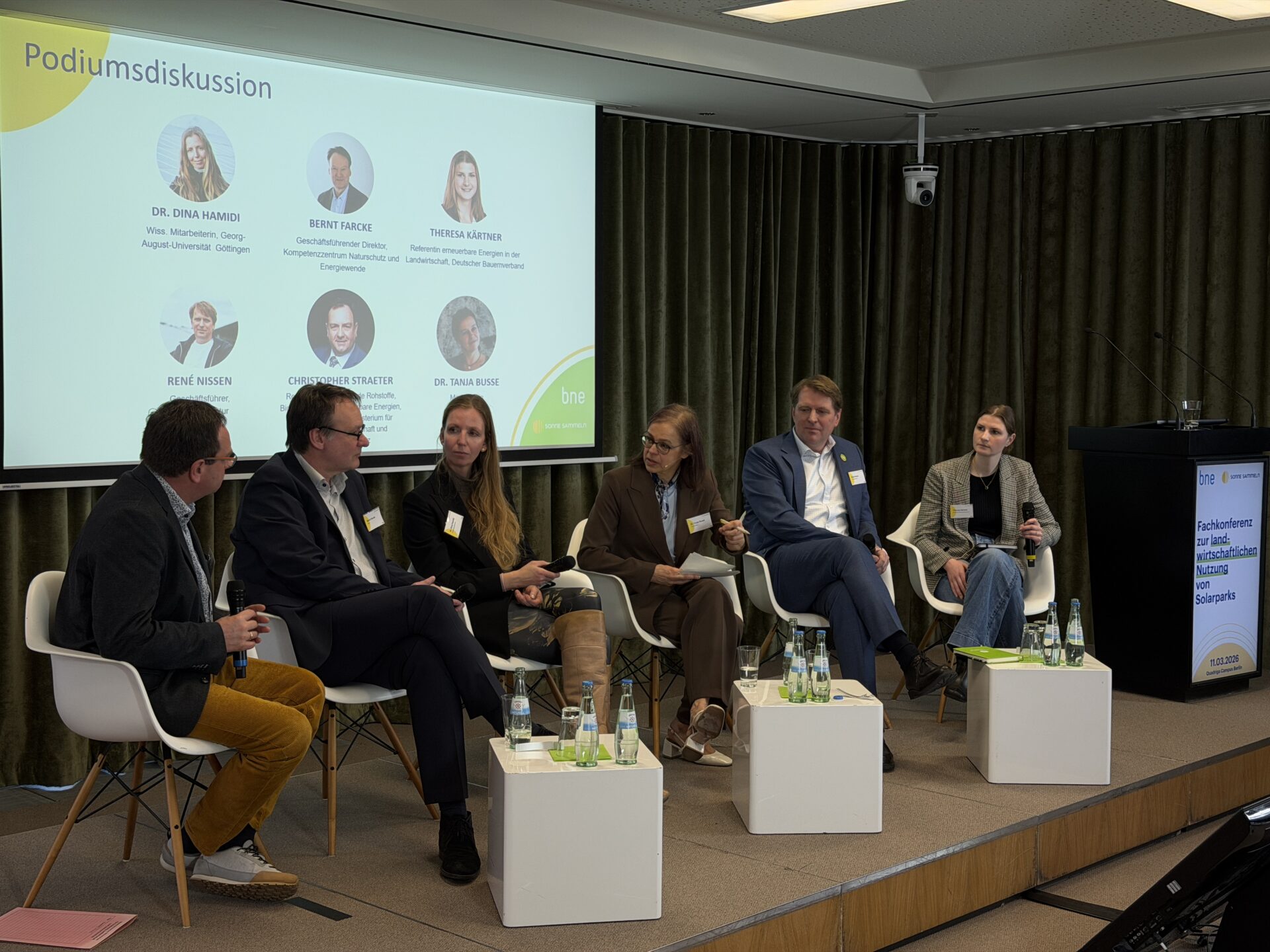
In the subsequent Panel discussion representatives discussed the Representatives from nature conservation, agriculture, politics and business the Practical realisation of these findings. Participants included Bernt Farcke (Competence Centre for Nature Conservation and Energy Transition), Theresa Kärtner (German Farmers' Association), René Nissen (Wattmanufactur) and Christopher Straeter (Lower Saxony Ministry of Agriculture).
One thing in particular became clear: the There is great potentialHowever, regulatory uncertainties and a lack of legal clarity continue to pose a challenge. Central hurdles represent.
Deep Dive: Scientific and practical insights
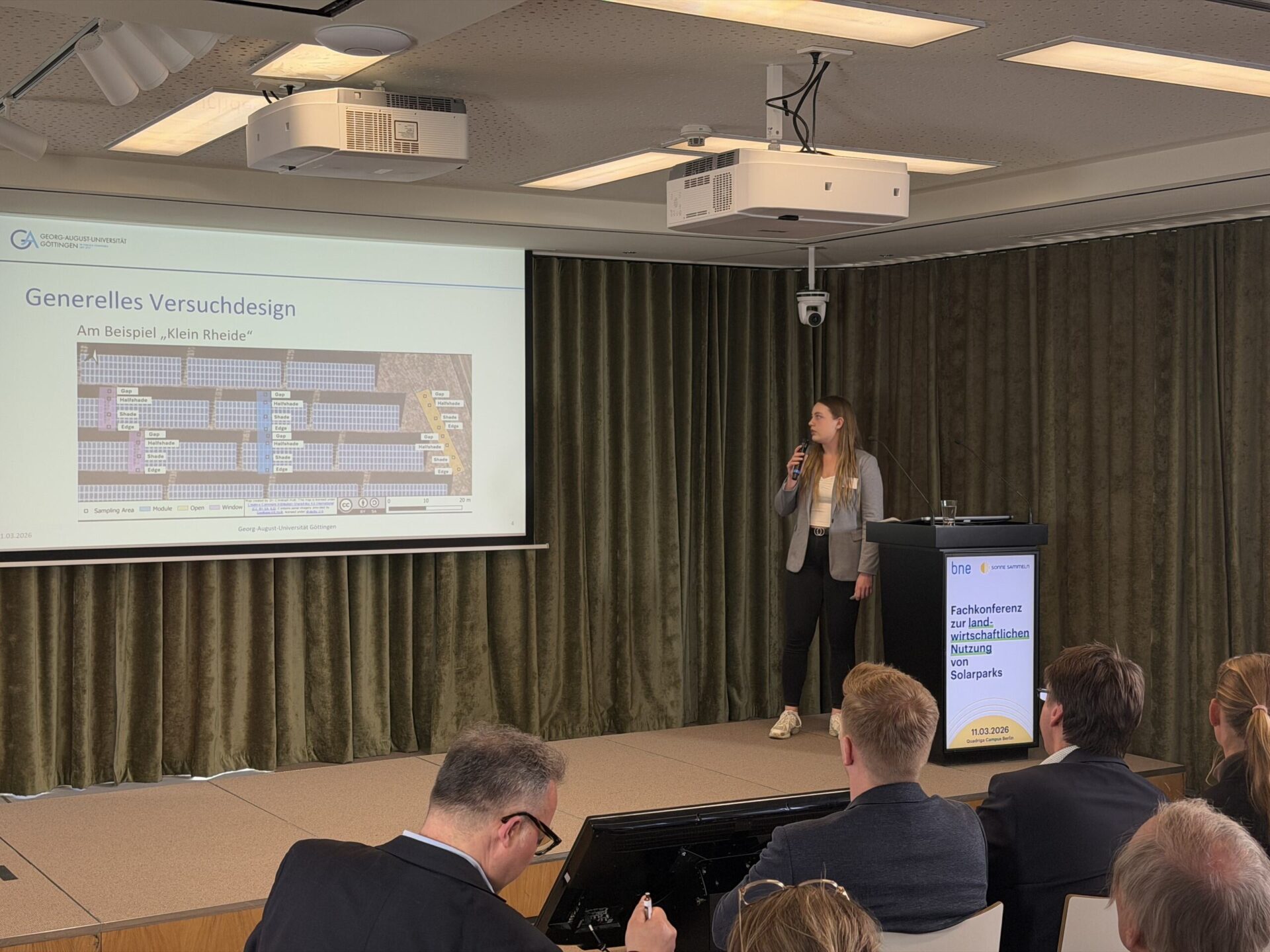
In the afternoon, the Deep Dive concrete Insights into research and practice. Dr Karen Baumann (University of Vechta) presented an experimental PV system that serves as a model site for microclimate, soil and vegetation analyses. Pauline Richter (University of Göttingen) showed how PV modules can affect biodiversity in grassland.
These scientific perspectives were complemented by the practical experience of Thies Jensen (Wattmanufactur), who shed light on the management of PV areas from an entrepreneurial perspective.
Regulatory hurdles for dual use
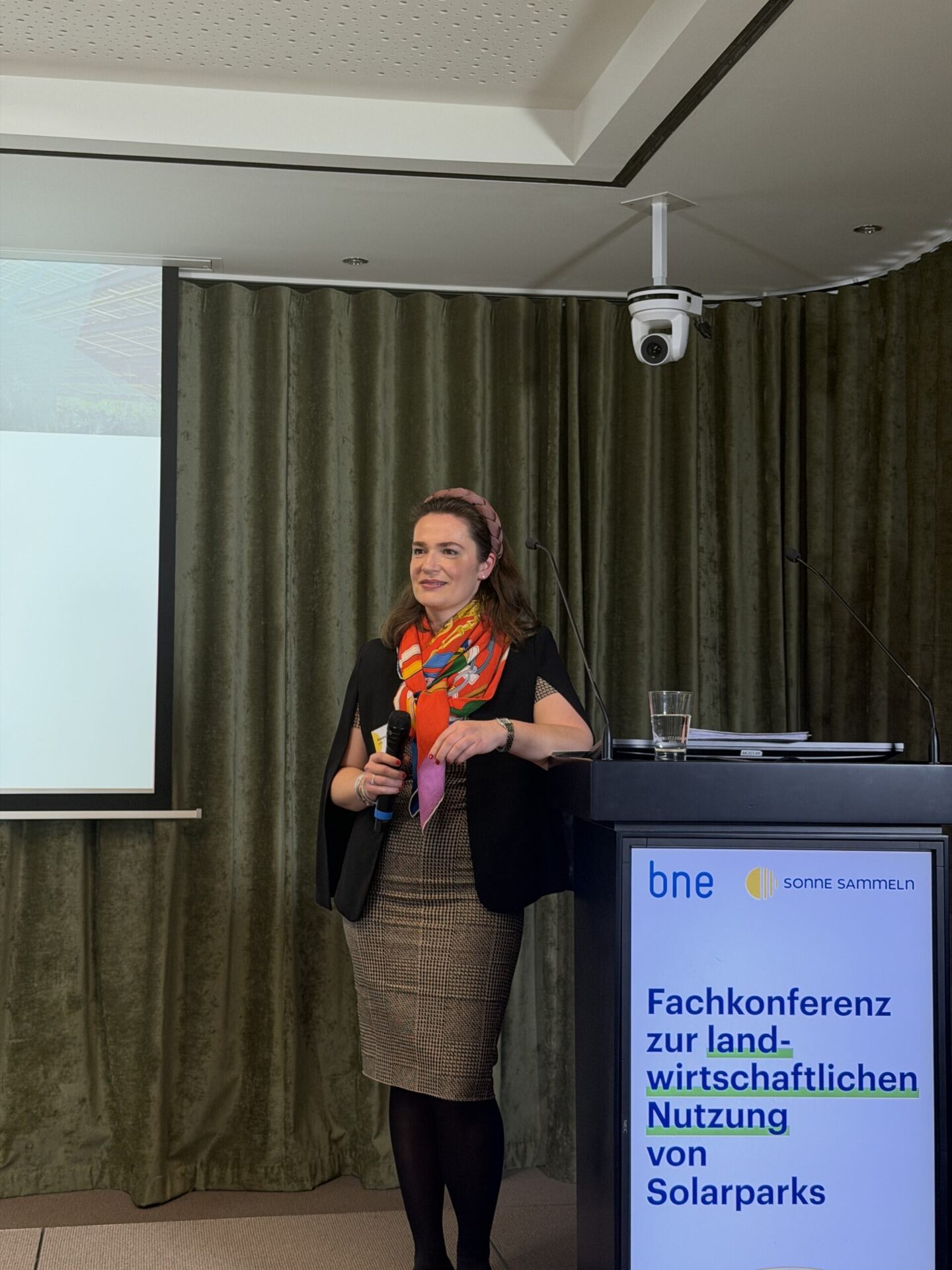
A special focus was also placed on regulatory issuesLawyer Alexandra Thiel (agrilex) made it clear that the legally secure dual utilisation of agricultural land with solar parks is currently still hampered by complex and sometimes contradictory framework conditions.
Dr Tanja Busse, who was in charge of the programme different perspectives and organised a lively exchange.
Solar parks as an opportunity for the energy transition
The event impressively demonstrated that Solar parks an integral part of sustainable land use can be - if ecological, agricultural and regulatory aspects are considered together. The Combining energy production and agriculture is not a contradiction, but a central Opportunity for the energy transition.
Further information on the research project and the complete research report can be found on our website SonneSammeln. The Recording of the entire event and the individual contributions you will find in our Media library.
 English (UK)
  Deutsch