

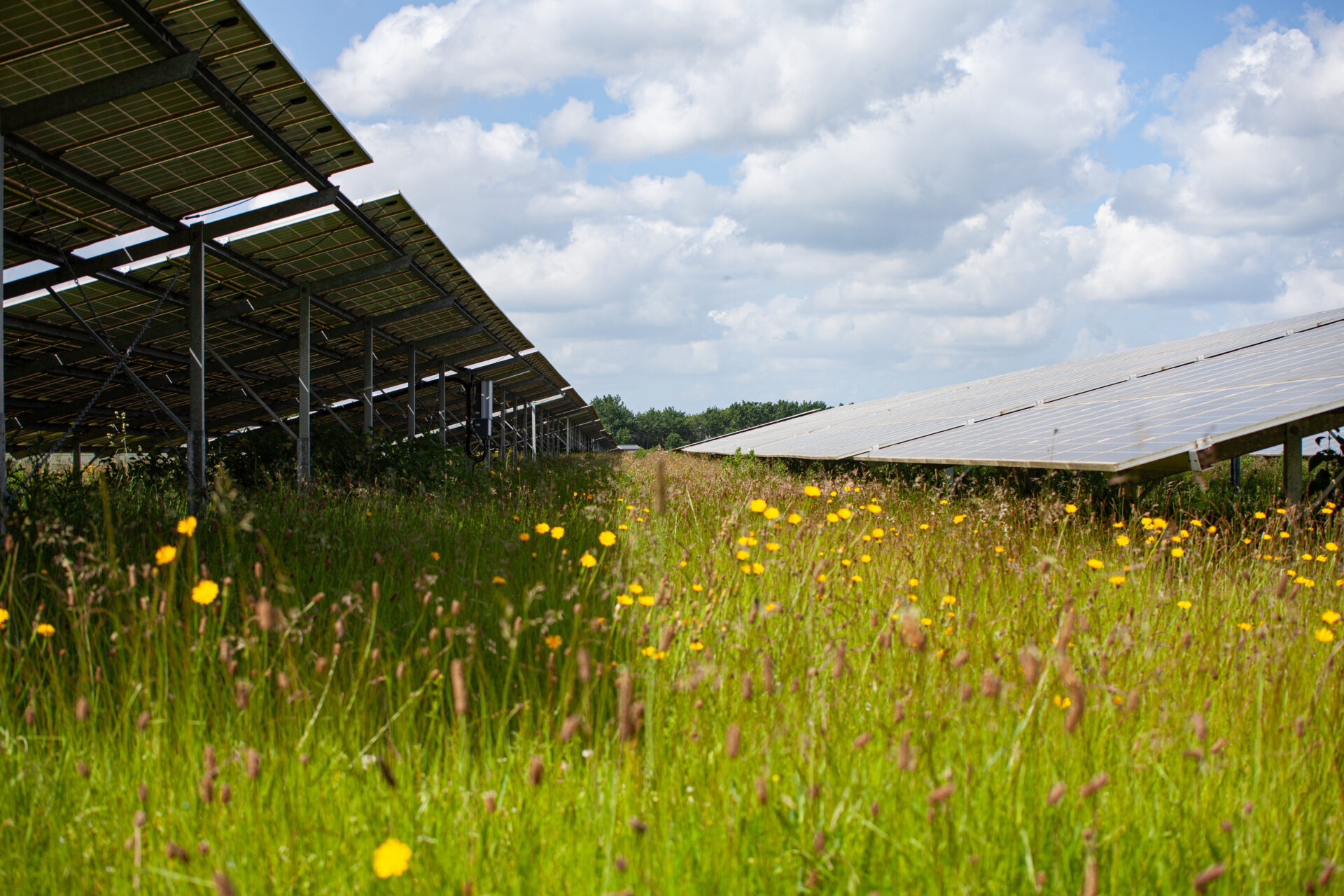
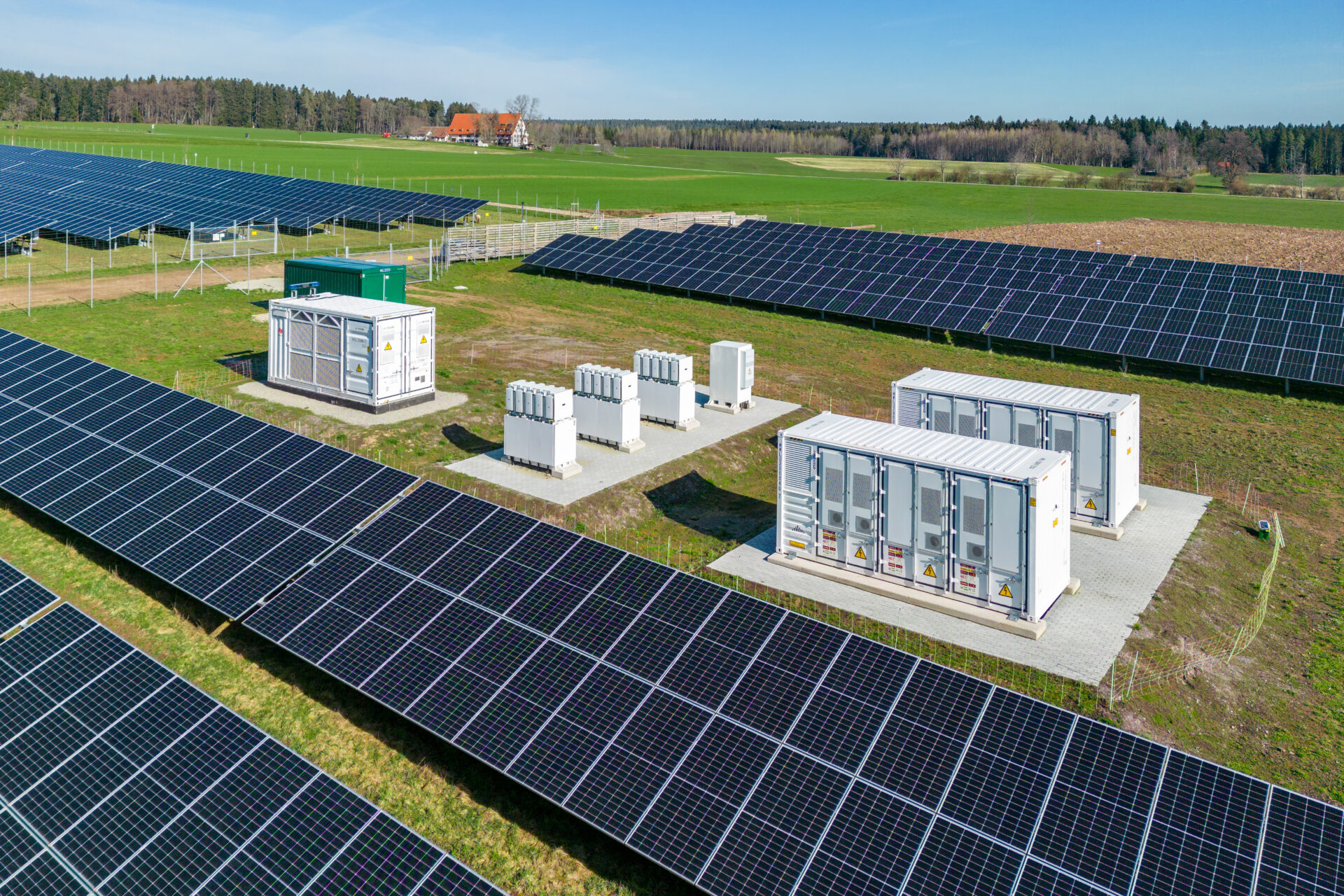
Solar parks usually stand for one thing: the energy transition. For clean electricity, more Security of supply and the path to a Climate-neutral future. But they can still much more.
Properly planned and professionally managed, they can Solar parks even become the largest biodiversity project in the German economy become. Hardly any other form of land use combines Climate protection, economic utilisation and nature conservation together over such a large area.
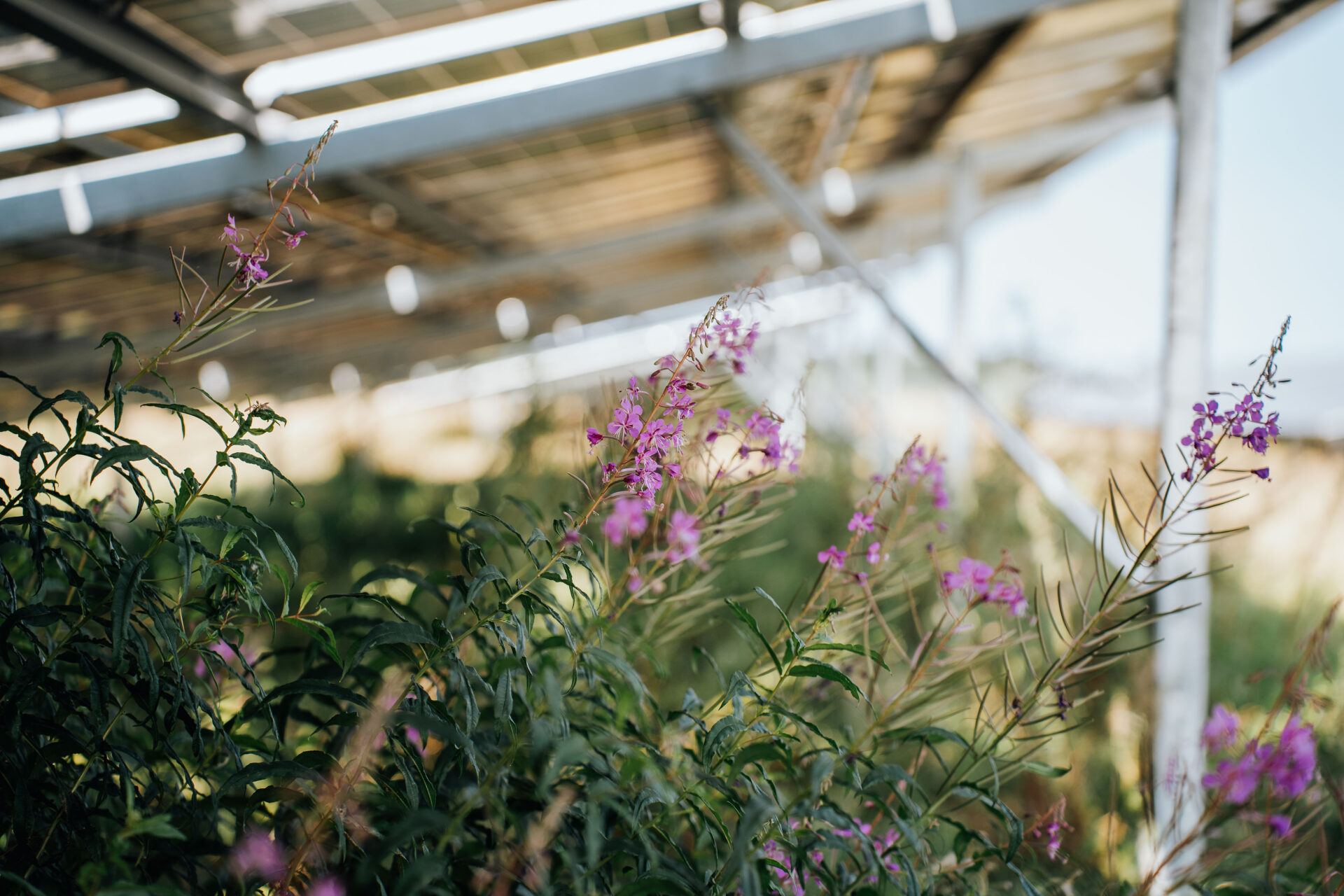
Review: What the study “Biodiversity in solar parks” shows
How big this Potential is actually the case is shown by the Nationwide field study "Biodiversity in the solar park“. For this purpose, professional appraisal offices 30 modern solar parks analysed in Germany. This was mainly done on agricultural land, in other words, exactly where the expansion is taking place today.
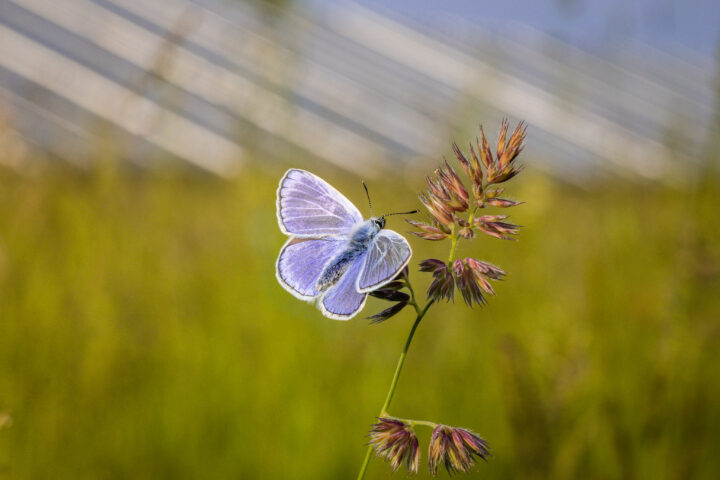
The Results are impressiveAmong other things, the following were detected 385 plant species, 30 locust species, 36 species of butterflies and damselflies, 32 breeding bird species, 13 bat species and Other bird, amphibian and dragonfly species. In total, the study comprises over 100 individual examinations and round 40 technical reports.
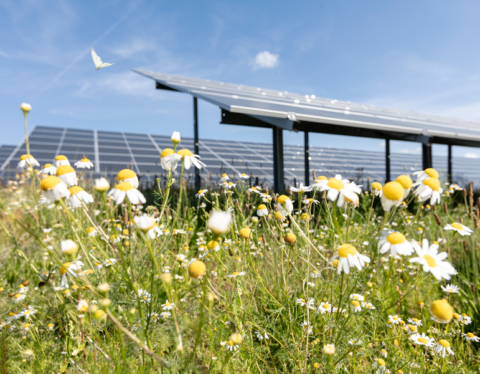
Particularly exciting: not only the Construction method determines the diversity of species, but above all the Care. Flexible mowing, customised care concepts and Sufficient space between the module rows make the difference. Solar parks are not a standard off-the-shelf solution, but work particularly well when they are planned according to location become.
Also Bats actively use solar parks as hunting grounds, Skylarks were partly detected in large populations and Many species groups colonise the areas surprisingly quickly after or even during construction.
Where biodiversity is given space again
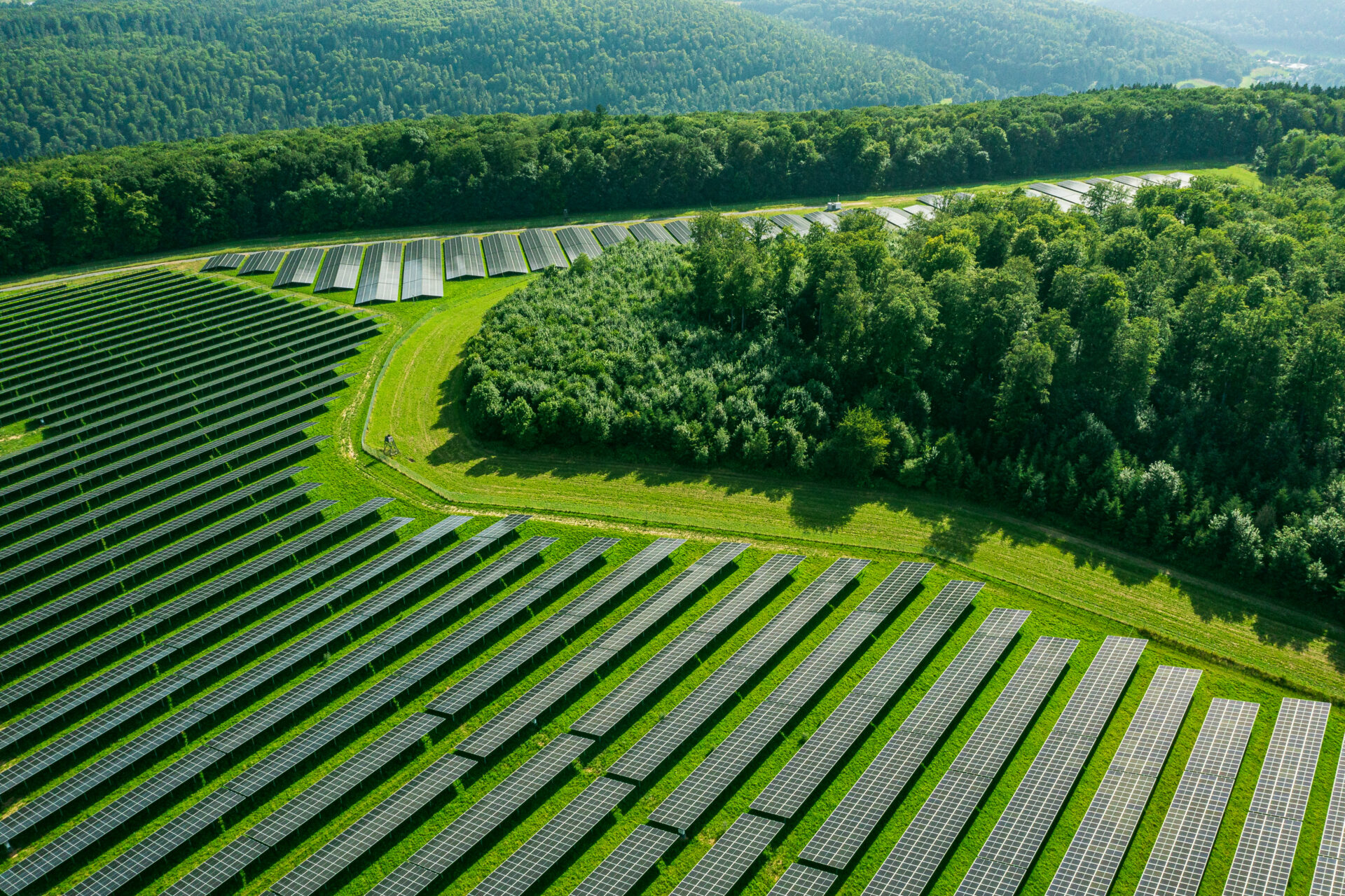
The study shows that well-planned solar parks are at least as good in terms of biodiversity as Areas of so-called high natural value („High Nature Value Farmland“) can keep up. This is remarkable, because it is precisely these areas that are considered the benchmark for particularly valuable cultural landscapes.
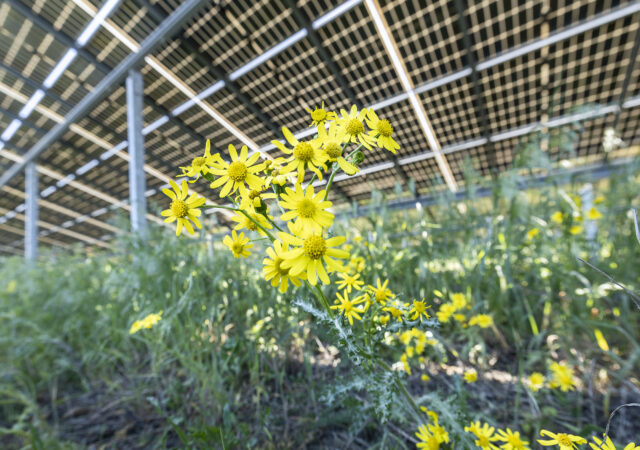
The reason lies in the Combination of construction and careBetween sunlit paths, shaded areas under the modules and extensive cultivation diverse habitats. Where intensive agriculture previously dominated, the Stable ecosystems over years.
Solar parks thus bring Structure back in often cleared agricultural landscapes and create habitats where they are particularly needed. urgently needed become.
A contribution to the Biodiversity Strategy 2030
Especially with a view to the National Strategy on Biological Diversity 2030 (NBS2030) clearly shows the (area) potential that lies within it. Solar parks can help to Slowing the loss of species and insects, Strengthen biodiversity in agricultural areas and Shaping climate protection in an environmentally friendly way - and without additional public funding.
Germany needs solutions that are not only ambitious, but also realisable. Species-rich solar parks are just as much a solution: Pragmatic, effective and immediately scalable.
© EnBW/ Paul Langrock 
© EnBW/ Paul Langrock 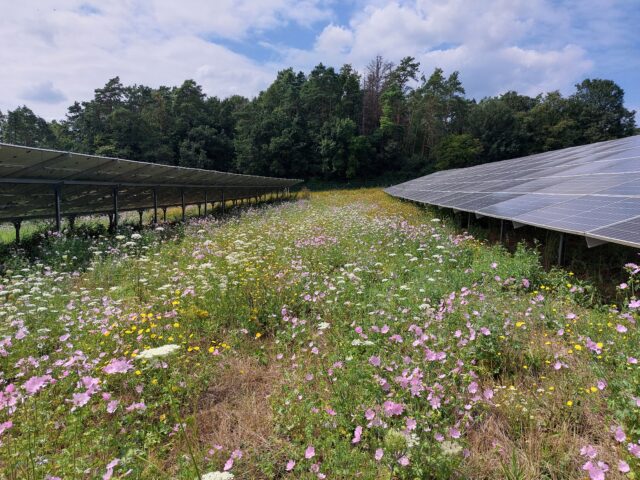
© Rolf Peschel 
© Rolf Peschel 
Tim Peschel 
© Rolf Peschel 
© Rolf Peschel 
© bne 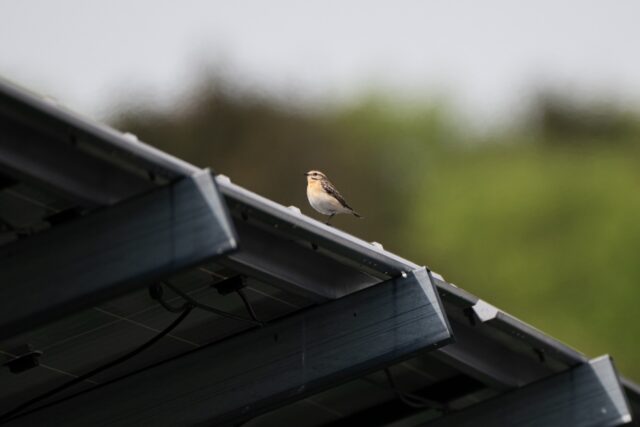
© M. Leipold
The energy transition needs living spaces
The energy transition is not only being decided on roofs and in grids, but also on our homes. Open spaces. When we Smart design of solar parks, not only create new sources of energy, but also new habitats. And that is exactly the future we need.
Read more & deepen
If you would like to delve deeper into the results, you will find SonneSammeln numerous materials:
- the detailed Long version of the study with all results and expert opinions: Download full version (German)
- the compact summary with the most important findings at a glance: Download abstract (German)
- the Media centre with lectures, presentations and the conference on the publication of the study: To the media centre
- the recording of the Webinars „Solar parks - hunting grounds for bats“: Watch webinar
The combination of research and practice is particularly evident: Biodiversity in the solar park is not a theoretical concept, but a reality that has long been lived.
 English (UK)
  Deutsch