

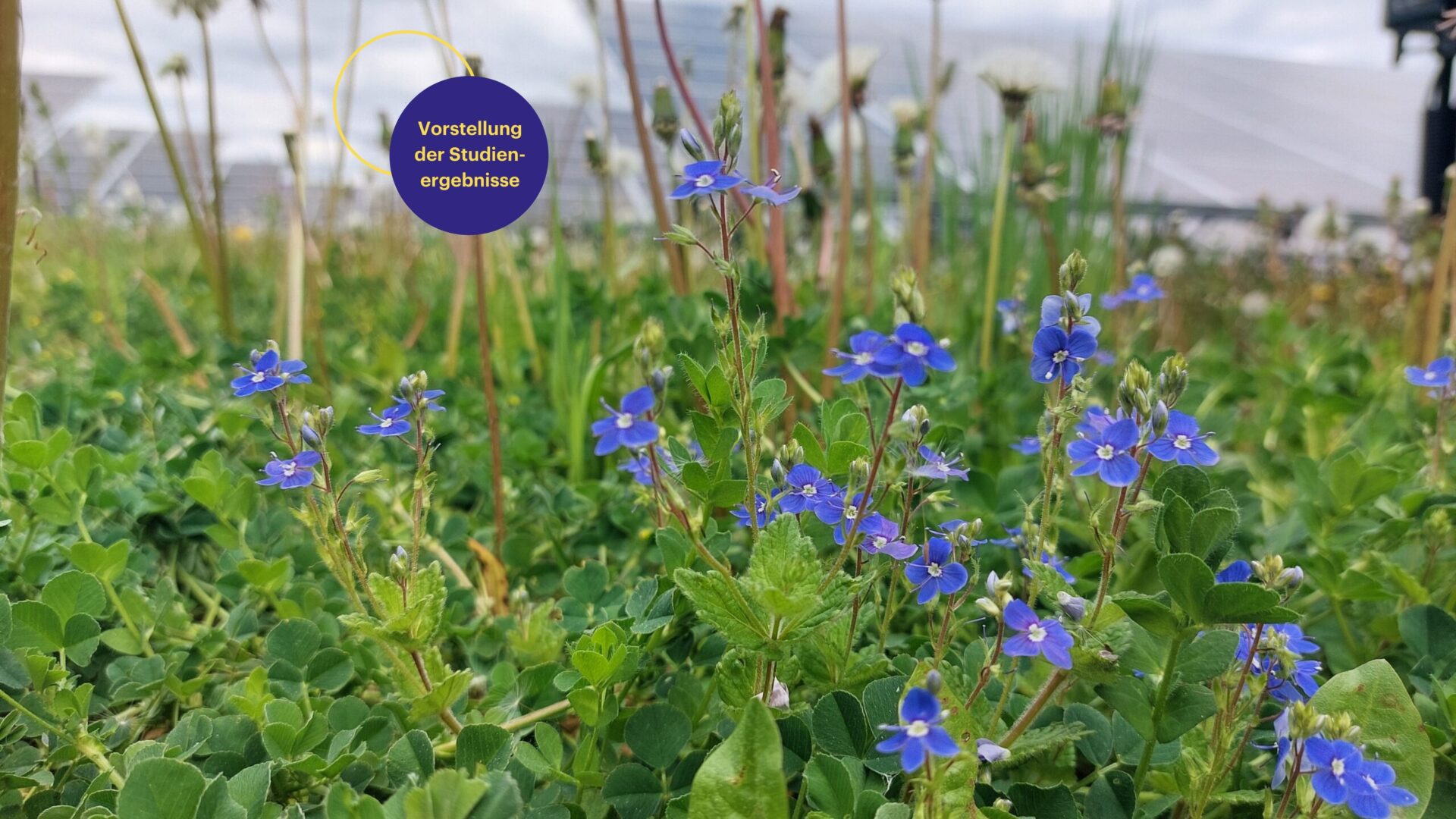
The results of the comprehensive bne study to Biodiversity in ground-mounted PV systems were recognised at the Specialist conference "Biodiversity in solar parks" on 27 March 2025 in Berlin. The event attracted around 80 participants on site and reached more than 900 viewers in the livestream. Over 200 questions from the chat clearly show the broad public and professional interest in the topic. You can find out more about the conference in our Review. The recordings of the study publication in German are now on SonneSammeln in the Media centre for the study available. We are currently working on an English translation of the study results.
Lecture 1: Presentation of the study results (only in German)
In the presentation of the two Study authors Dr Tim Peschel (Ecology & Environment) and Rolf Peschel (The project sponsor) will Results of the study presented in detail. It becomes clear that solar parks are the Supporting biodiversity in our cultural landscape can - if they are well planned and properly maintained. Find out more in the study presentation.
The Presentation of the speakers you will find here and in our Media centre for the study.
The most important findings from the study presentation:
- The The state of biodiversity in the agricultural landscape is alarming. Over the decades, more and more structure in the form of hedges, bends and paths has been lost.
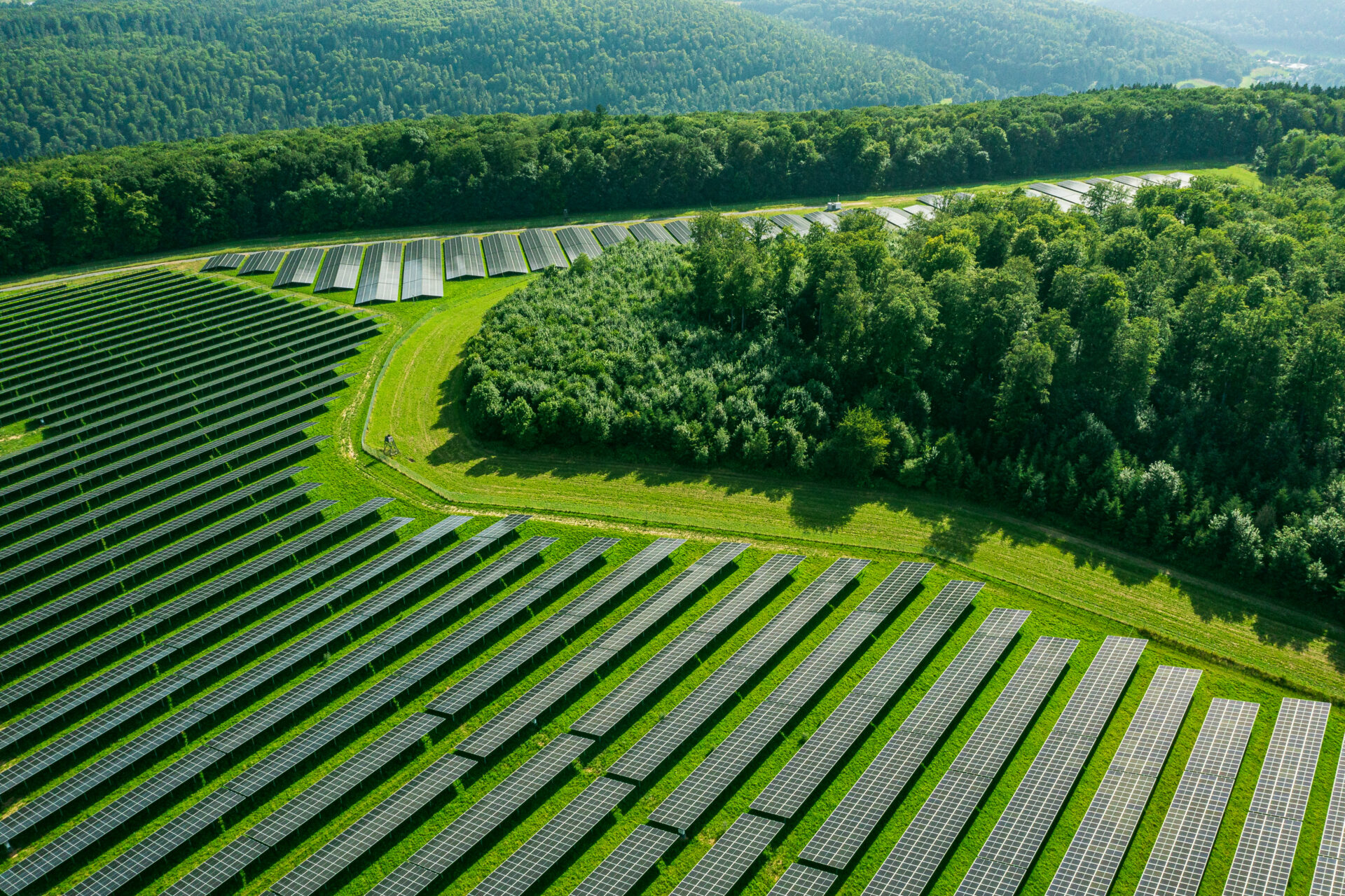
- Solar parks can be a threat to numerous animal and plant species. Network of urgently needed habitats offer.
- Solar parks stand out in particular due to their quality as Feeding habitat for vertebrates such as birds or amphibians represent. This is due to the fact that Spring habitats for many insects and plants.
- In the processCare plays a prominent role in this, to promote biodiversity in a solar park.
- Due to their qualities as Species-rich grassland solar parks can help to achieve various goals of National Strategy on Biological Diversity 2030 to reach.
- Bats use solar parks for their hunt for insects
- Also Strictly protected species such as sand lizards and yellow-bellied toads have been found in solar parks and use them as habitats
- Solar parks can be designed and maintained in such a way that they provide a valuable habitat for many species. It doesn't take much. This opportunity should be seized.
Download the study (German)
You can read all the results of the study on SonneSammeln. As this is a comprehensive work, we have summarised the most important findings in a Abstract summarised.
All lectures on the programme content:
All recordings at a glance:
- Lecture 2: Panel discussion with nature conservation, business and politics (only in German)
- Lecture 3: Birds and solar parks (Speaker: Matthias Stoefer)
- Lecture 4: Why solar parks can be suitable habitats for animals and plants (Speakers: Dr Tim Peschel, Rolf Peschel)
- Lecture 5: Planning-relevant information from the study (Speakers: Dr Tim Peschel, Rolf Peschel)
- Lecture 6: Bats in the solar park (Speaker: Dr Helmut Schlumprecht)
 English (UK)
  Deutsch